
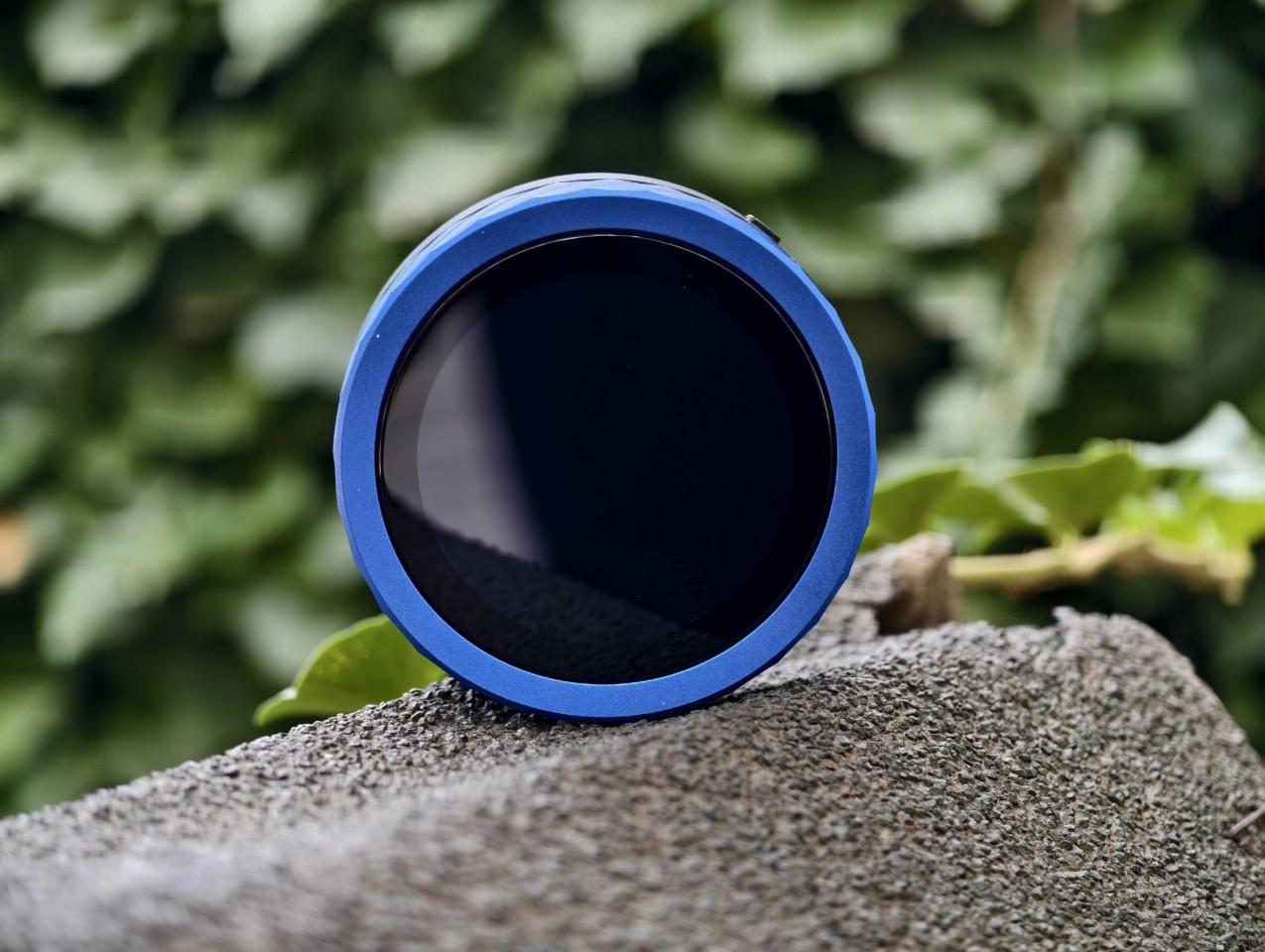
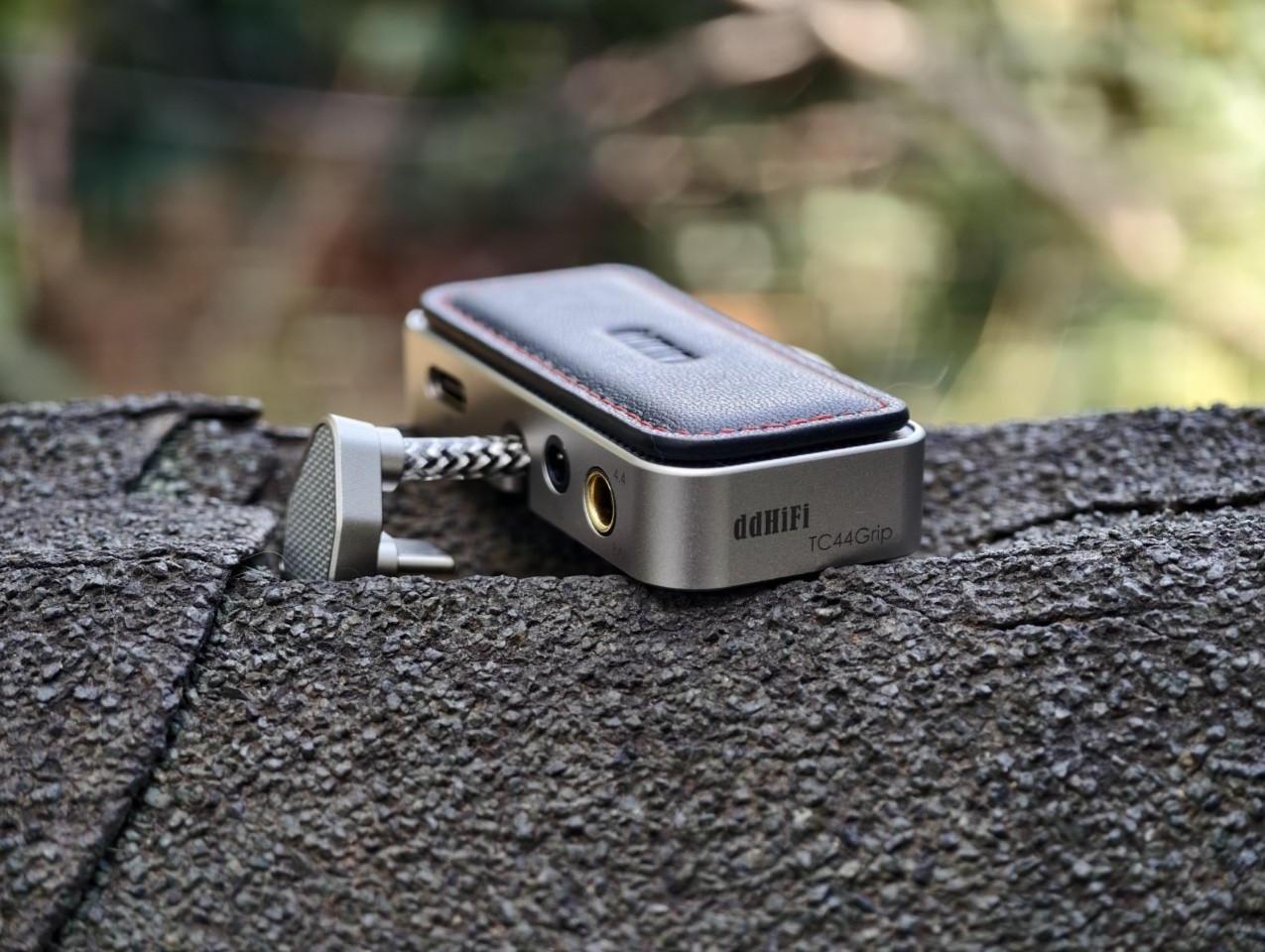
Waveshare ESP32-S3 Knob Display Review – 1.8″ Development Board With CNC Case
Executive Summary: A New Standard for Human-Machine Interfaces
The landscape of Human-Machine Interface (HMI) components for the maker community has long been defined by a focus on function over form. While many development boards offer robust processing power, they often require significant effort to integrate into a polished, consumer-grade device. The Waveshare ESP32-S3-Knob-Touch-LCD-1.8 emerges as a groundbreaking exception, presenting not just a development board but a fully realized, premium HMI module that elevates DIY projects from functional prototypes to high-quality, professional products. It masterfully combines the precision of a physical rotary encoder with the versatility of a capacitive touchscreen, all powered by an advanced dual-core microcontroller architecture.
This product’s core value proposition lies in its holistic approach to design and performance. It is a testament to what is possible when a development board is engineered with an end-user experience in mind from the very beginning. The synergy between its robust hardware and a mature software ecosystem makes it a formidable platform for creators who demand a premium look, feel, and performance. The ESP32-S3-Knob-Touch-LCD-1.8 sets a new benchmark in the enthusiast market for integrated display and control solutions, offering a level of polish and capability rarely seen in off-the-shelf components.
Unboxing and First Impressions: Engineering as Art
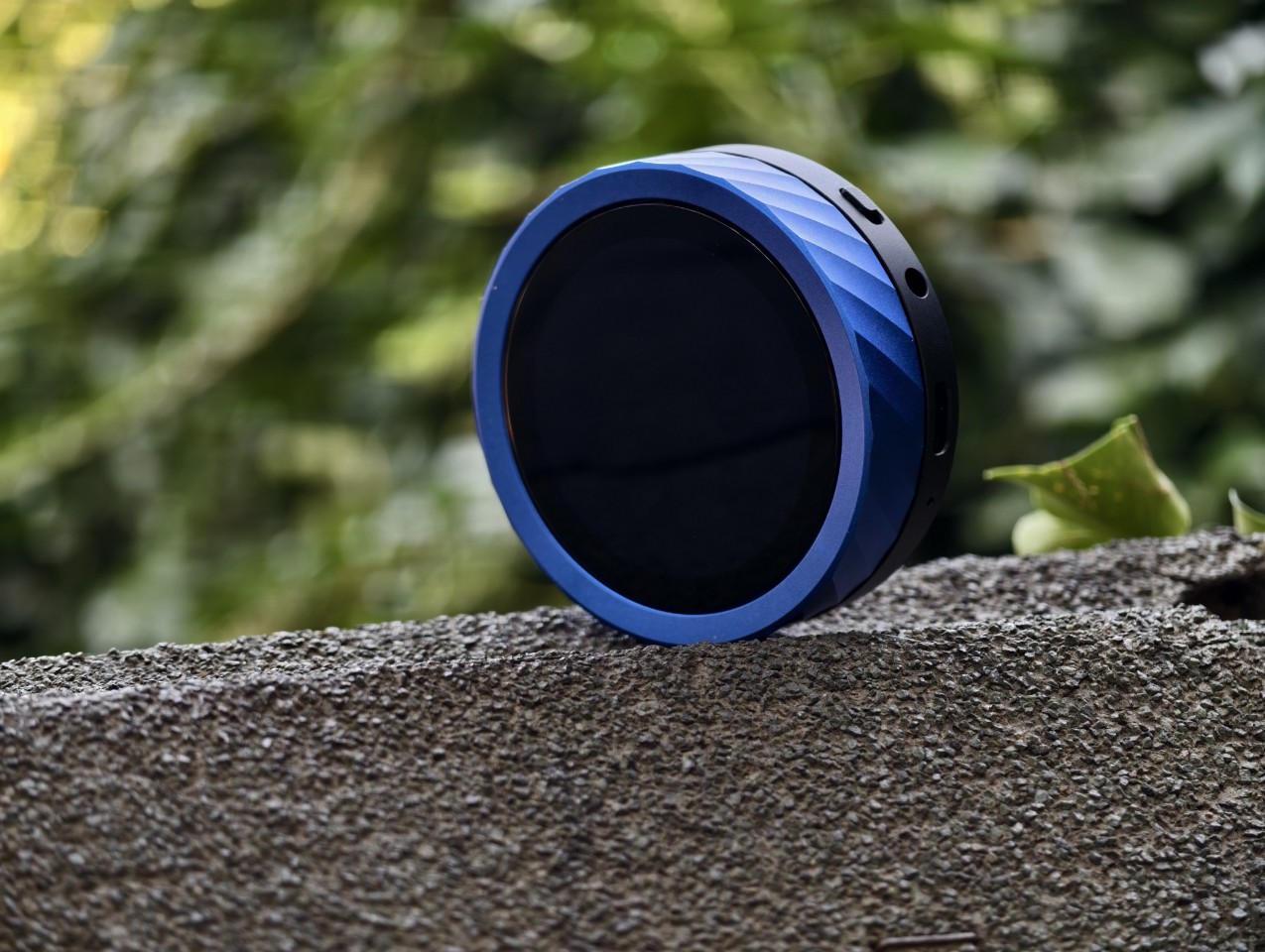
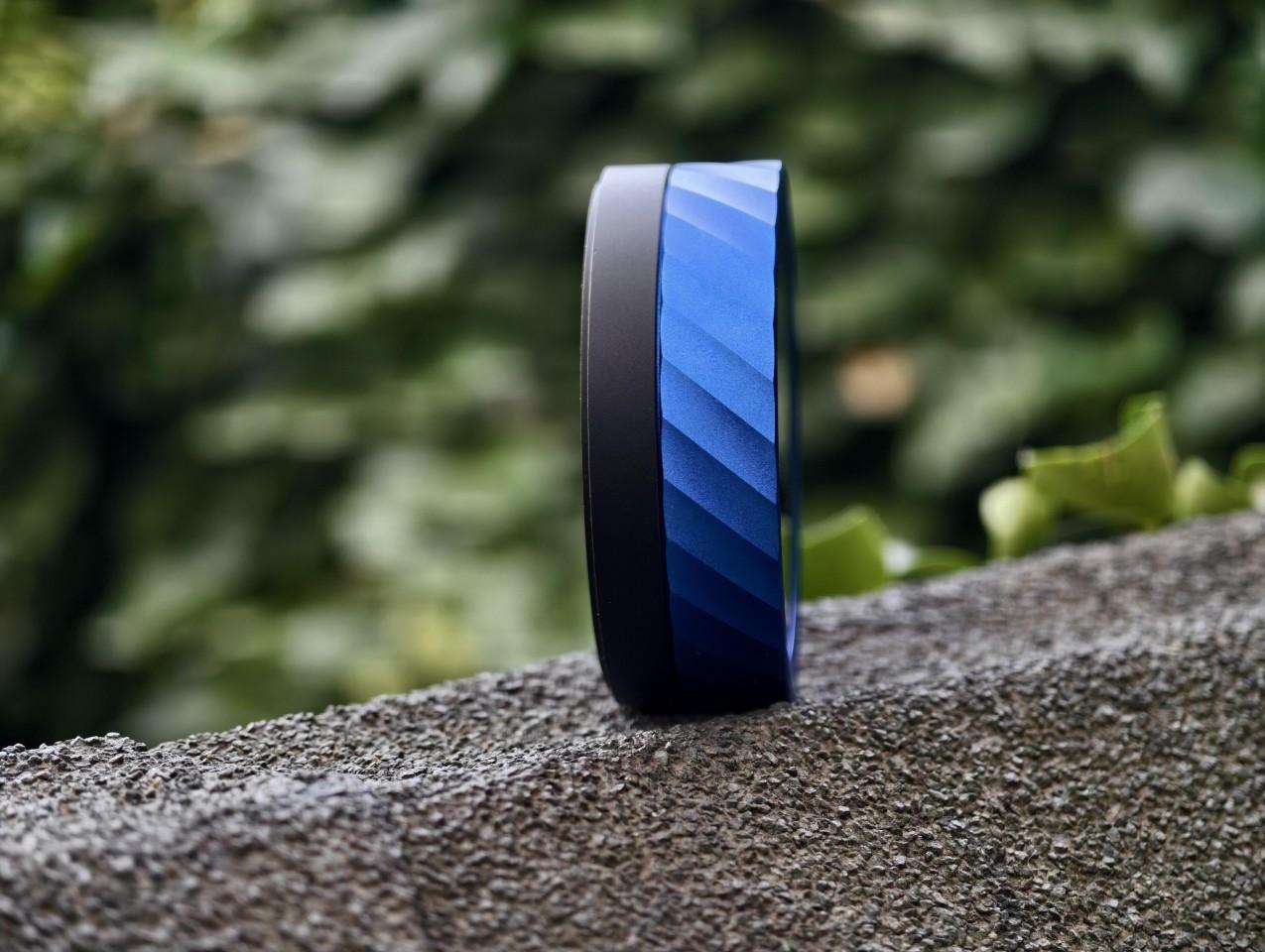
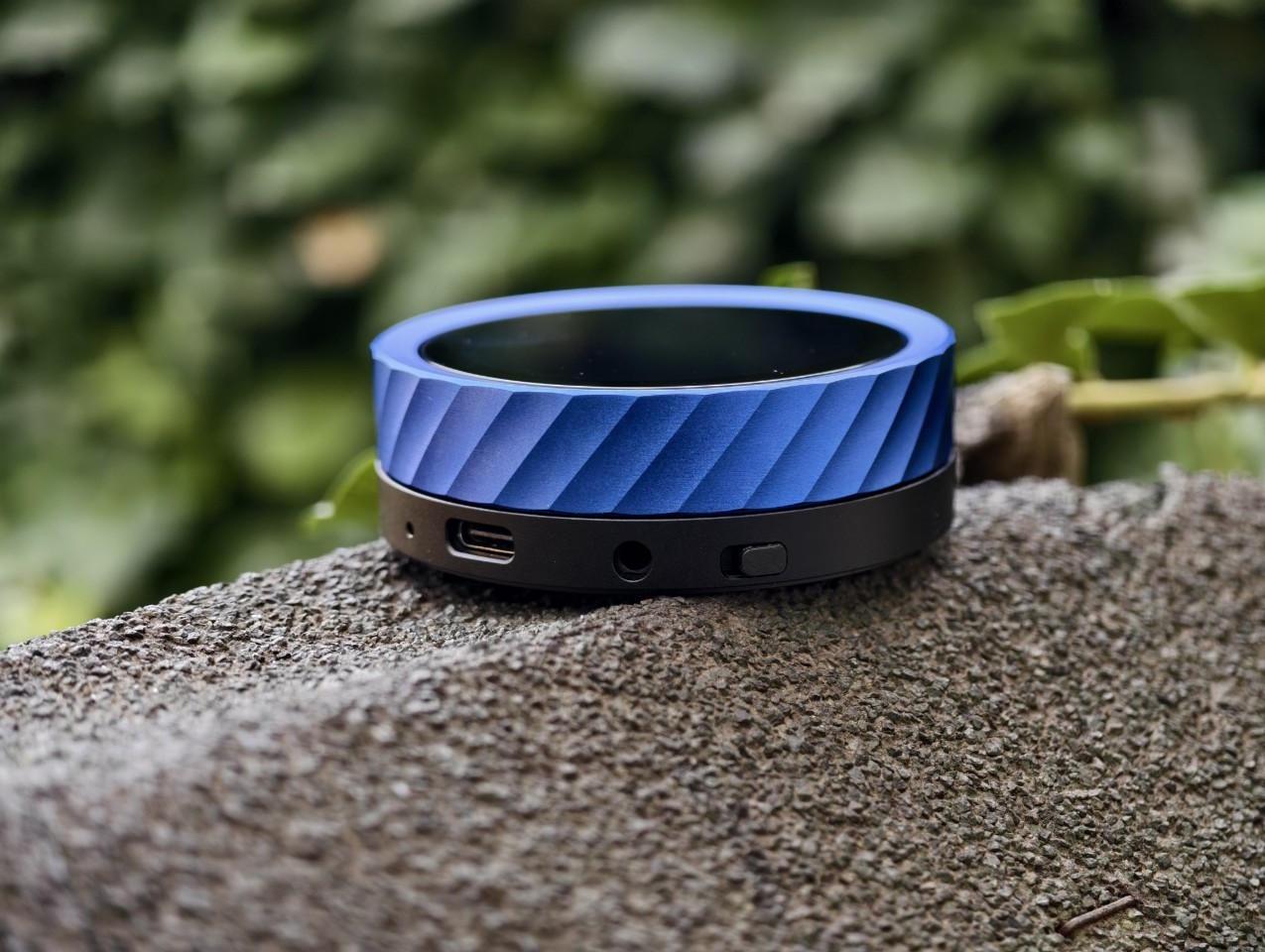
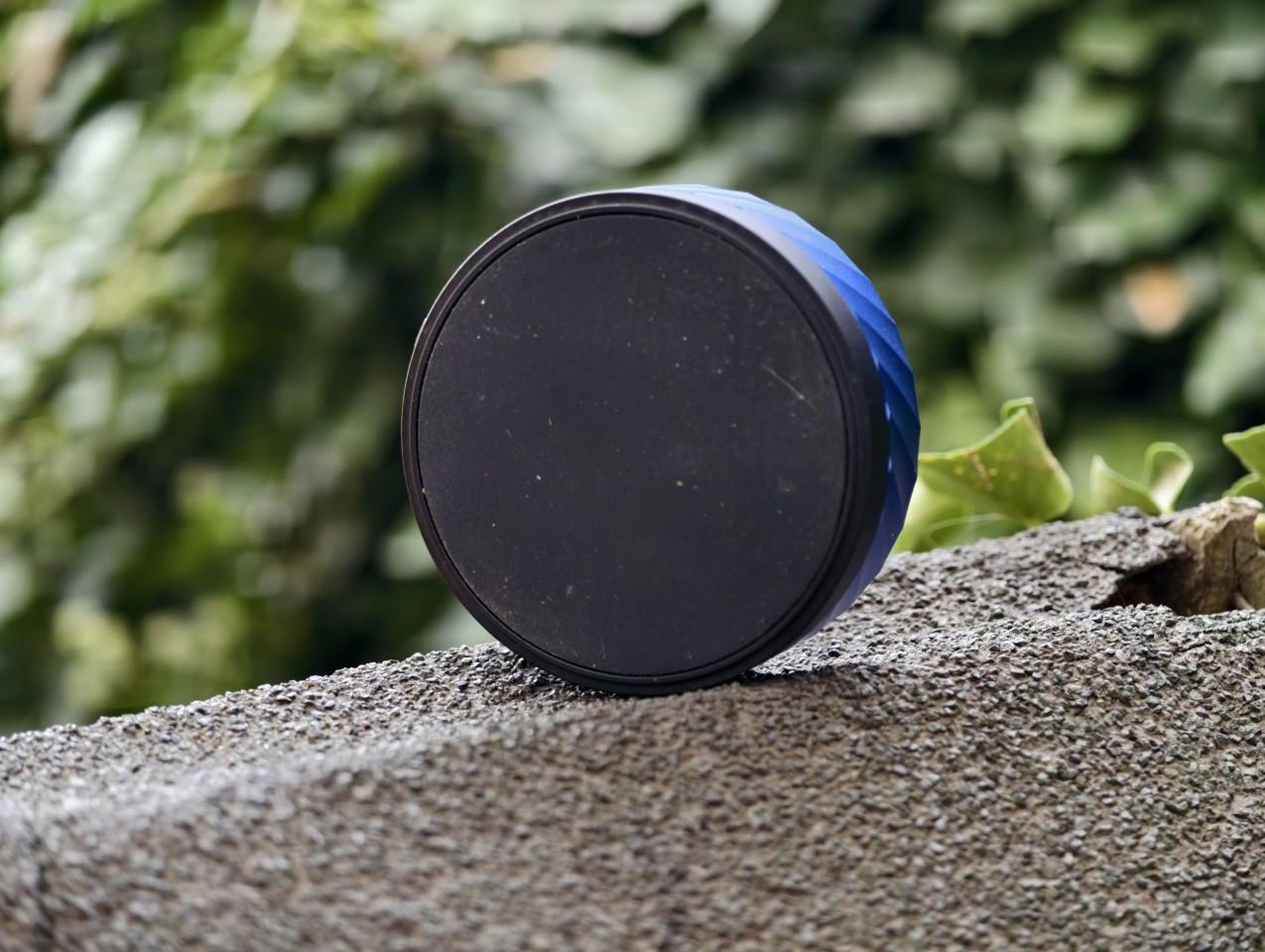
The initial encounter with the Waveshare ESP32-S3-Knob-Touch-LCD-1.8 is an experience that immediately distinguishes it from its competitors. The moment the product is handled, the sense of premium build quality is palpable. Unlike the typical plastic or simple acrylic enclosures found on many development boards, this module is housed in a meticulously crafted, CNC-machined metal case. This single design choice not only provides a high-end, professional aesthetic but also adds a solid weight and feel that conveys durability and thoughtful engineering. The oxidized finish of the metal further enhances this premium appearance, giving the device a sleek and modern look that is ready for a desktop or smart home environment straight out of the box.
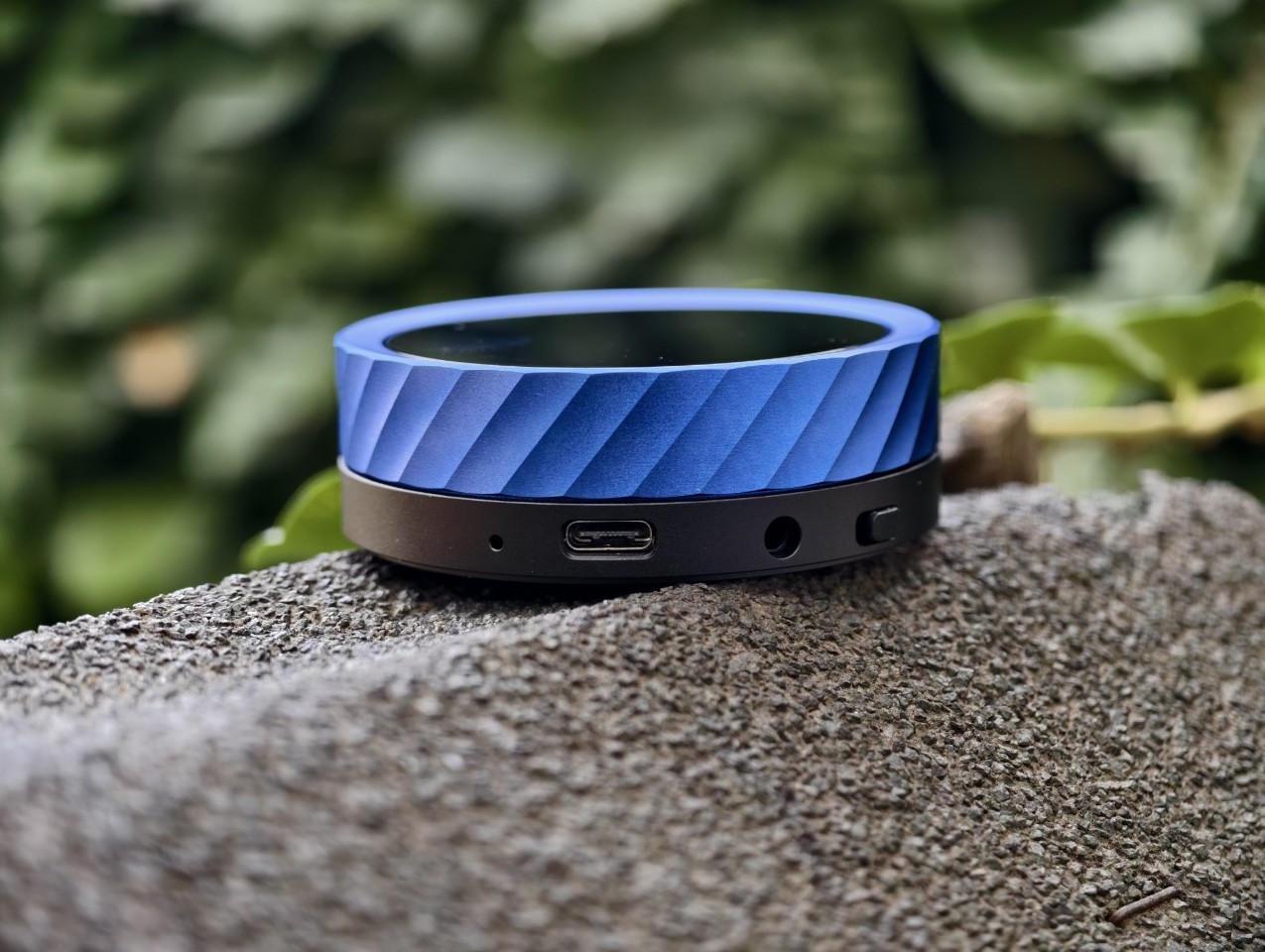
The most striking physical feature is the rotary encoder itself. On lesser products, the knob often feels flimsy or offers imprecise haptic feedback. In contrast, the Waveshare knob is a marvel of mechanical design. It operates with a satisfying, fluid motion, a tactile precision enabled by the use of ball bearings. This is not a trivial detail; for a device where physical interaction is a primary function, the quality of the knob directly impacts the user experience. The smooth, precise action with each turn and the definitive click upon pressing provide a level of feedback that is essential for accurate adjustments and confident menu navigation. The physical feel of the device is a clear statement that Waveshare has invested in the user experience beyond a mere functional prototype.
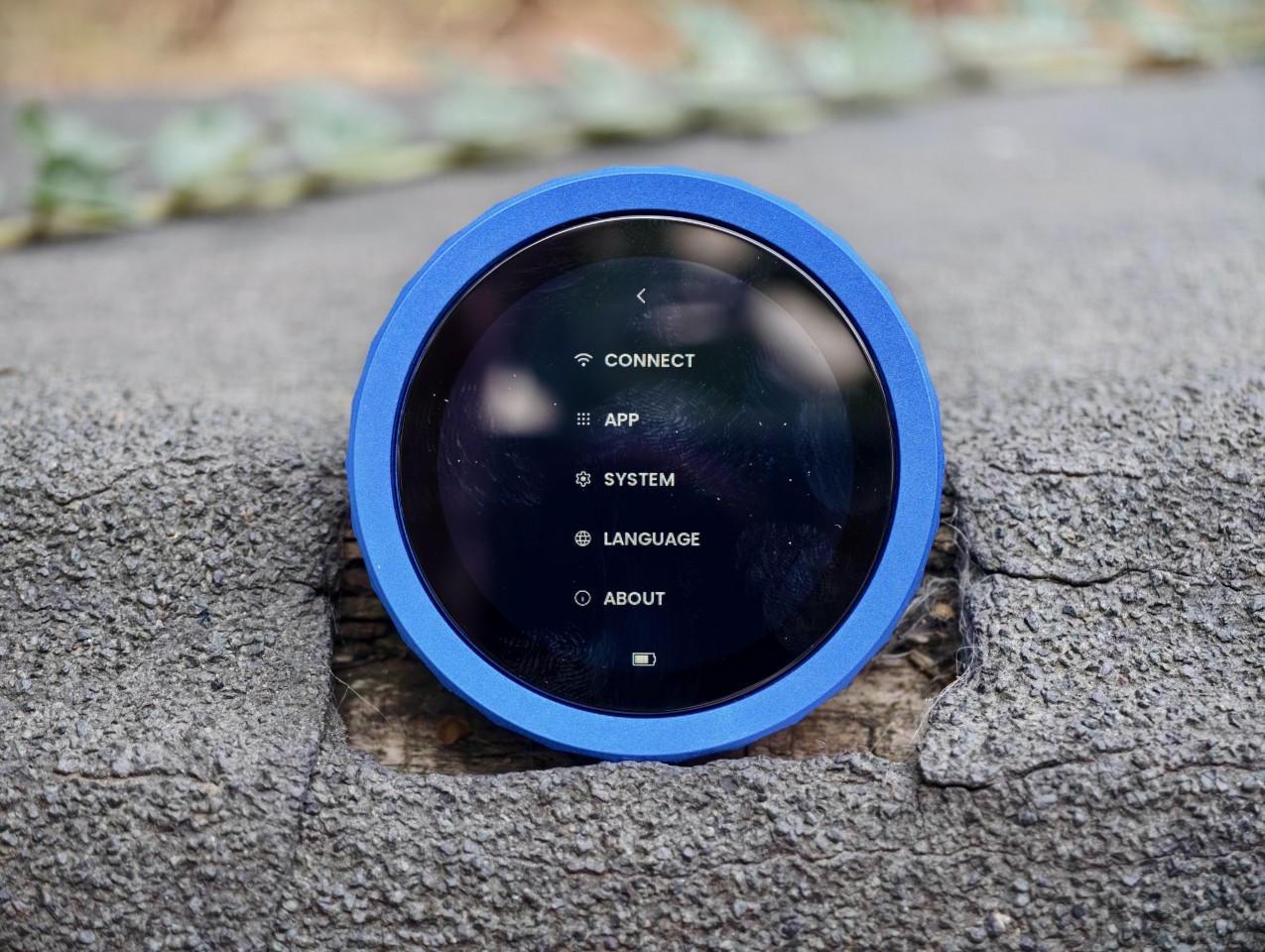
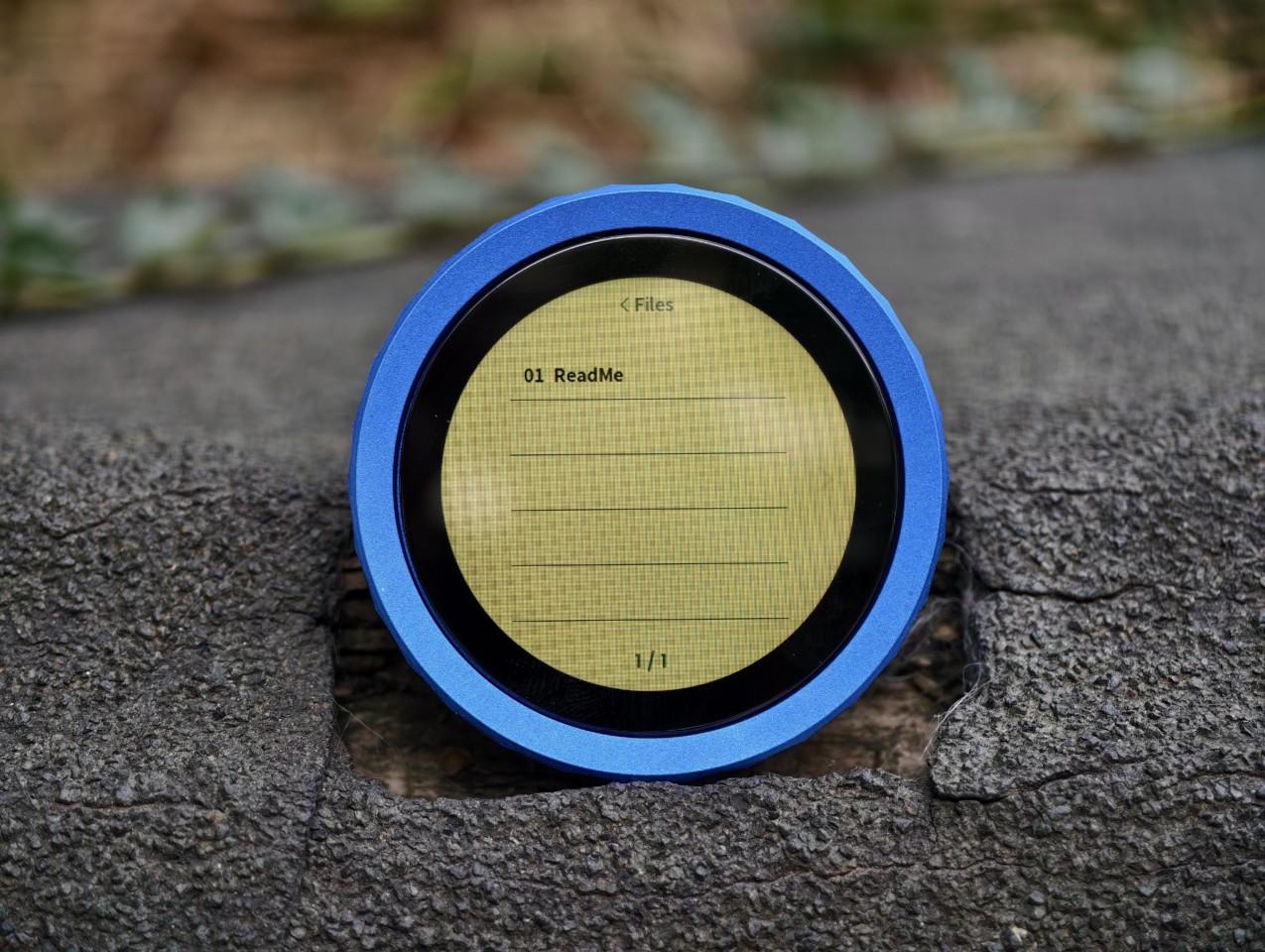
Powering the device for the first time reveals the true potential of its integrated components. The 1.8-inch round LCD, a central visual component, comes to life with a vibrant and sharp display, immediately running a pre-loaded demo firmware. The seamless transitions and smooth animations showcase the capabilities of the underlying hardware and the optimization of the graphical user interface (GUI). This combination of a high-quality physical build and a polished software experience creates a powerful first impression, validating the product’s position as a premium offering in the maker space.
The Architecture Unveiled: A Dual-Core Powerhouse
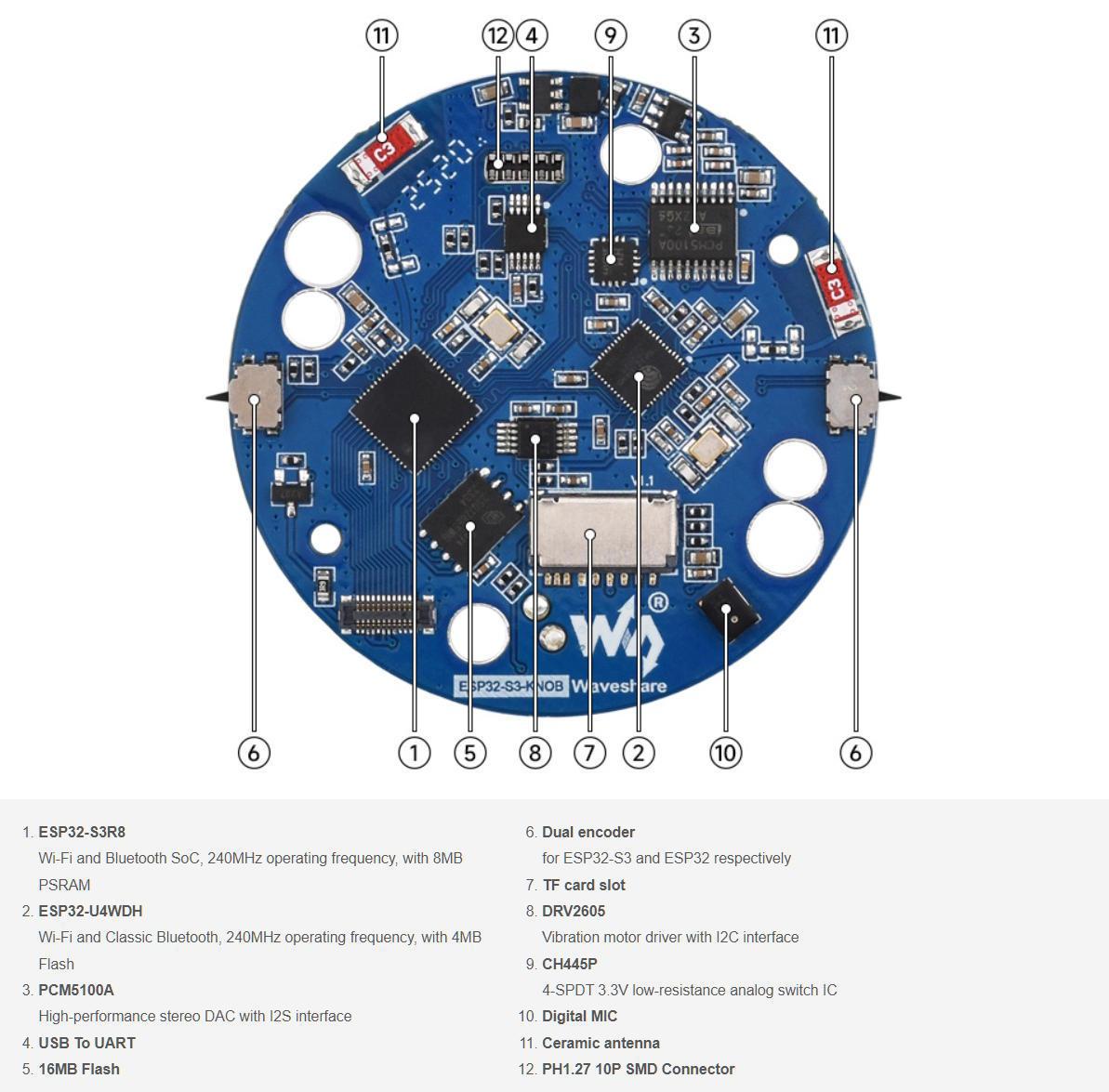
The technical prowess of the ESP32-S3-Knob-Touch-LCD-1.8 is rooted in its highly sophisticated and unconventional architecture. The device’s most compelling feature is its dual-MCU design, which pairs a high-performance ESP32-S3 with a secondary, standard ESP32 wireless SoC. This strategic combination represents a departure from single-chip designs. It is engineered to deliver a level of performance and feature integration that is difficult to achieve with a monolithic approach.
At the heart of the system is the ESP32-S3, a formidable microcontroller designed for multimedia and artificial intelligence (AI) applications. It features a dual-core Xtensa LX7 processor that can operate at speeds up to 240 MHz. This raw processing power, combined with its specialized support for AI vector acceleration, makes the ESP32-S3 an ideal engine for a variety of demanding tasks. These include real-time image recognition, voice processing, and the execution of complex graphical user interfaces (GUIs). The ESP32-S3 is a key component that allows the board to run fluid, high-resolution display applications without the lag or stuttering seen in less capable hardware.
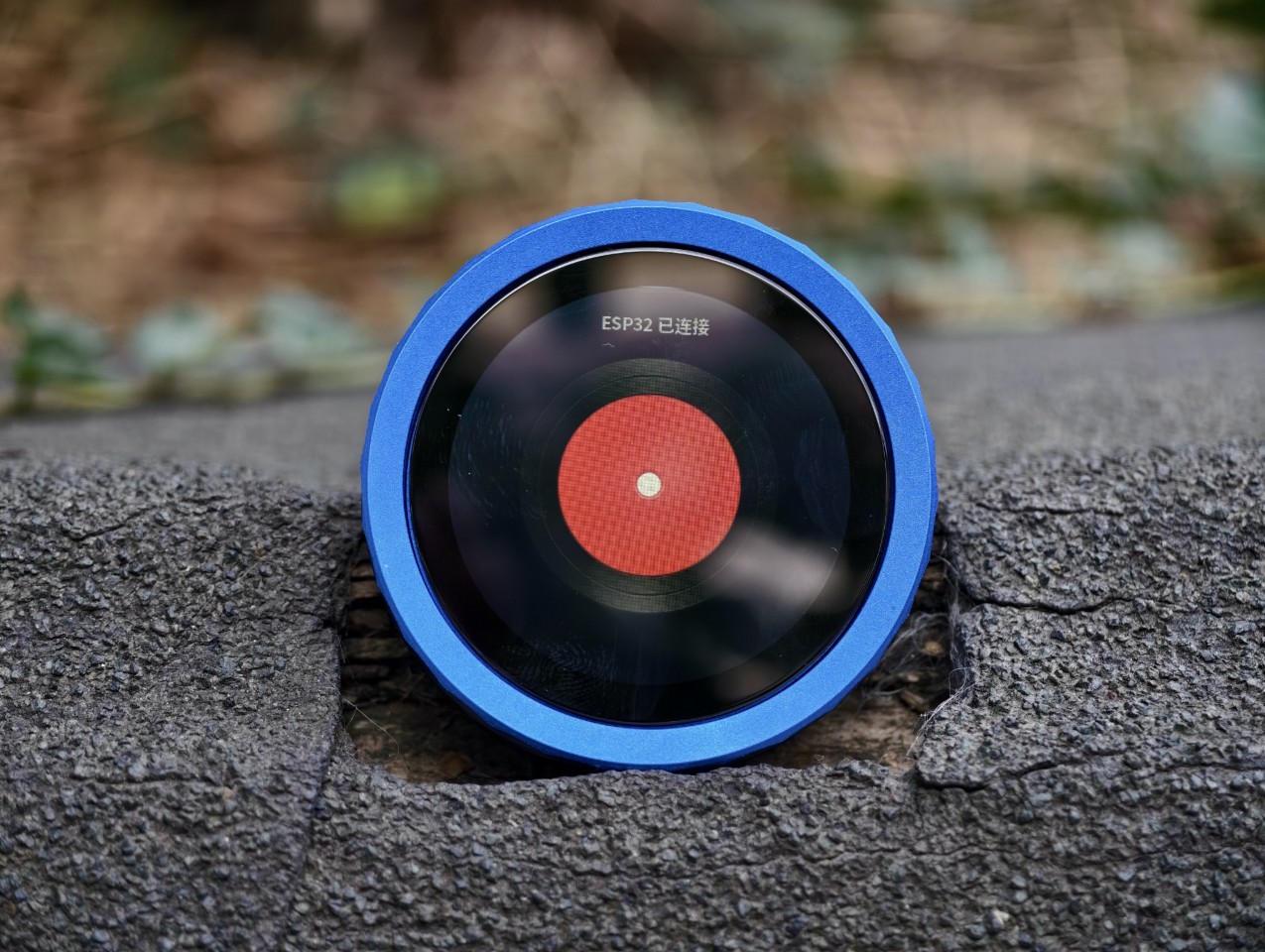
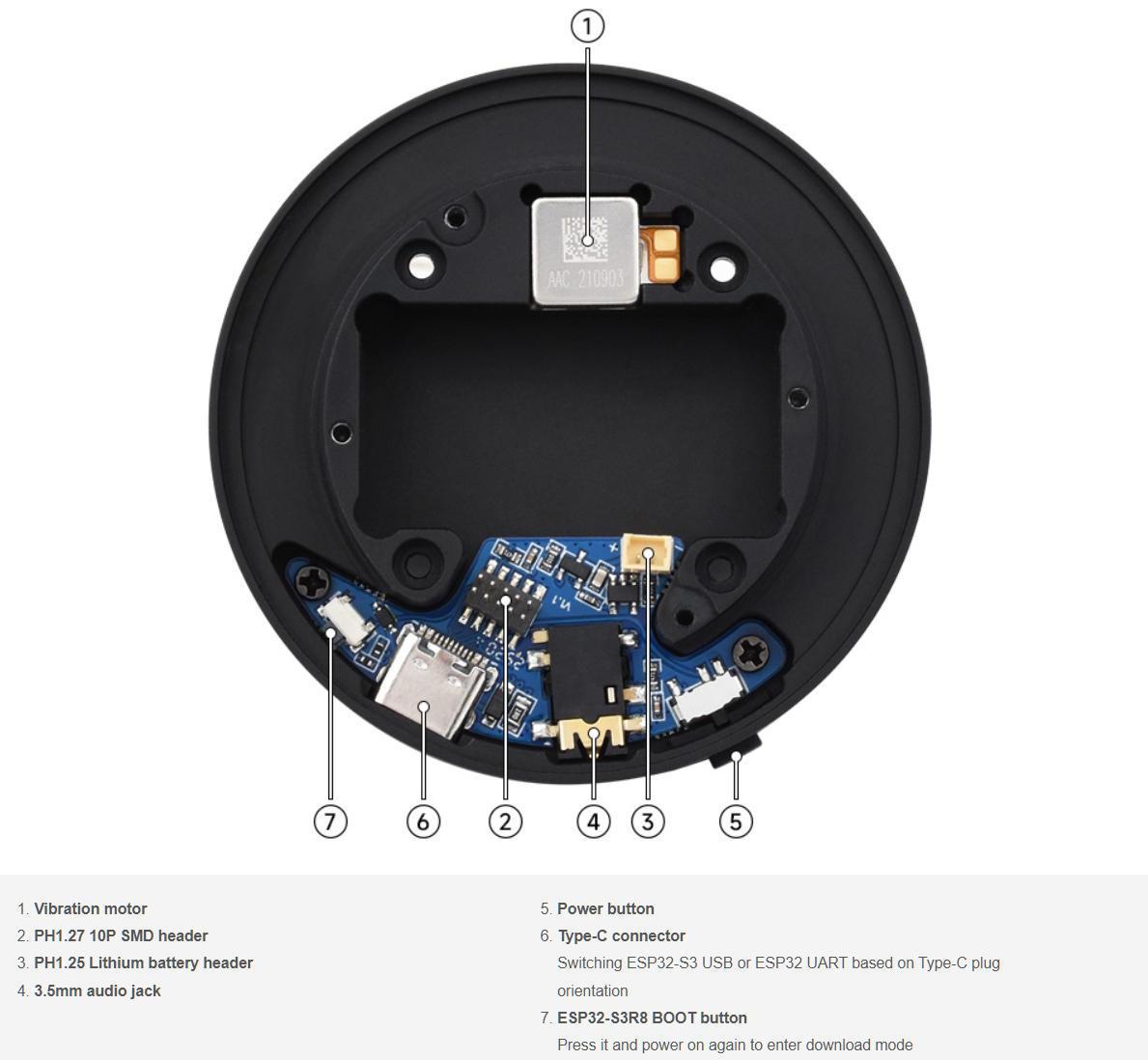
The secondary ESP32 SoC plays a critical supporting role. While the Waveshare documentation does not explicitly detail the division of labor, a plausible design decision would be to offload specific, resource-intensive tasks to the second chip. The presence of a highly integrated audio decoding chip, a unique feature for a device of this type, suggests that the secondary ESP32 might be dedicated to handling audio processing, freeing up the primary ESP32-S3 to focus on rendering graphics, managing user input, and executing core application logic. This task-segregation approach ensures that the main user interface remains responsive even under heavy processing loads.
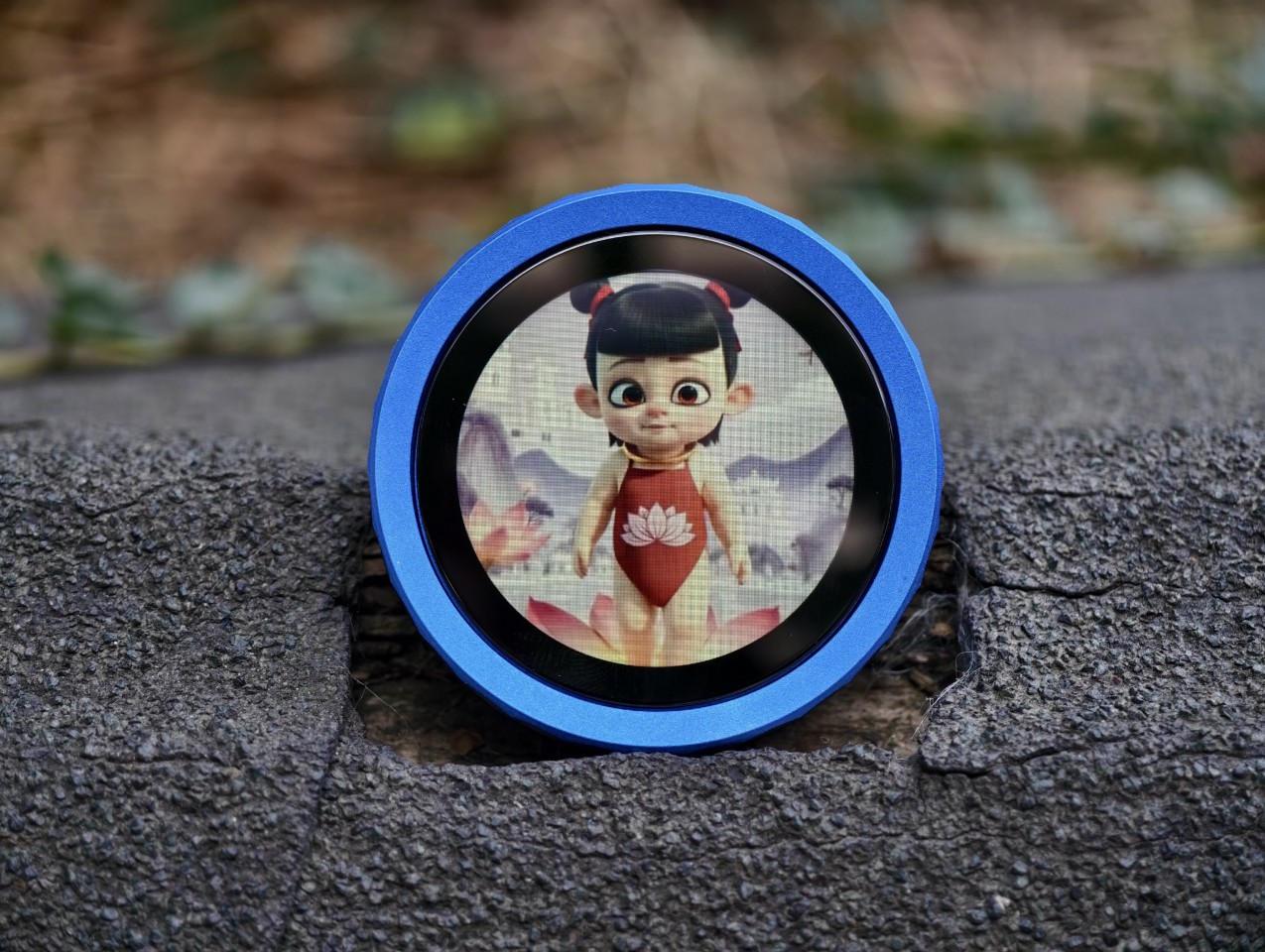
Generous memory and connectivity options further bolster the hardware. The board includes a substantial amount of 16MB Flash and 8MB PSRAM, which is essential for developing complex applications with rich GUIs. Modern graphical frameworks, such as LVGL, require significant memory to store display assets, fonts, and graphical elements. The ample onboard memory ensures that developers can create visually stunning interfaces with smooth animations and transitions without encountering memory constraints. The board also features standard 2.4 GHz Wi-Fi and Bluetooth Low Energy (BLE) 5.0, providing robust wireless connectivity for IoT and smart home applications.
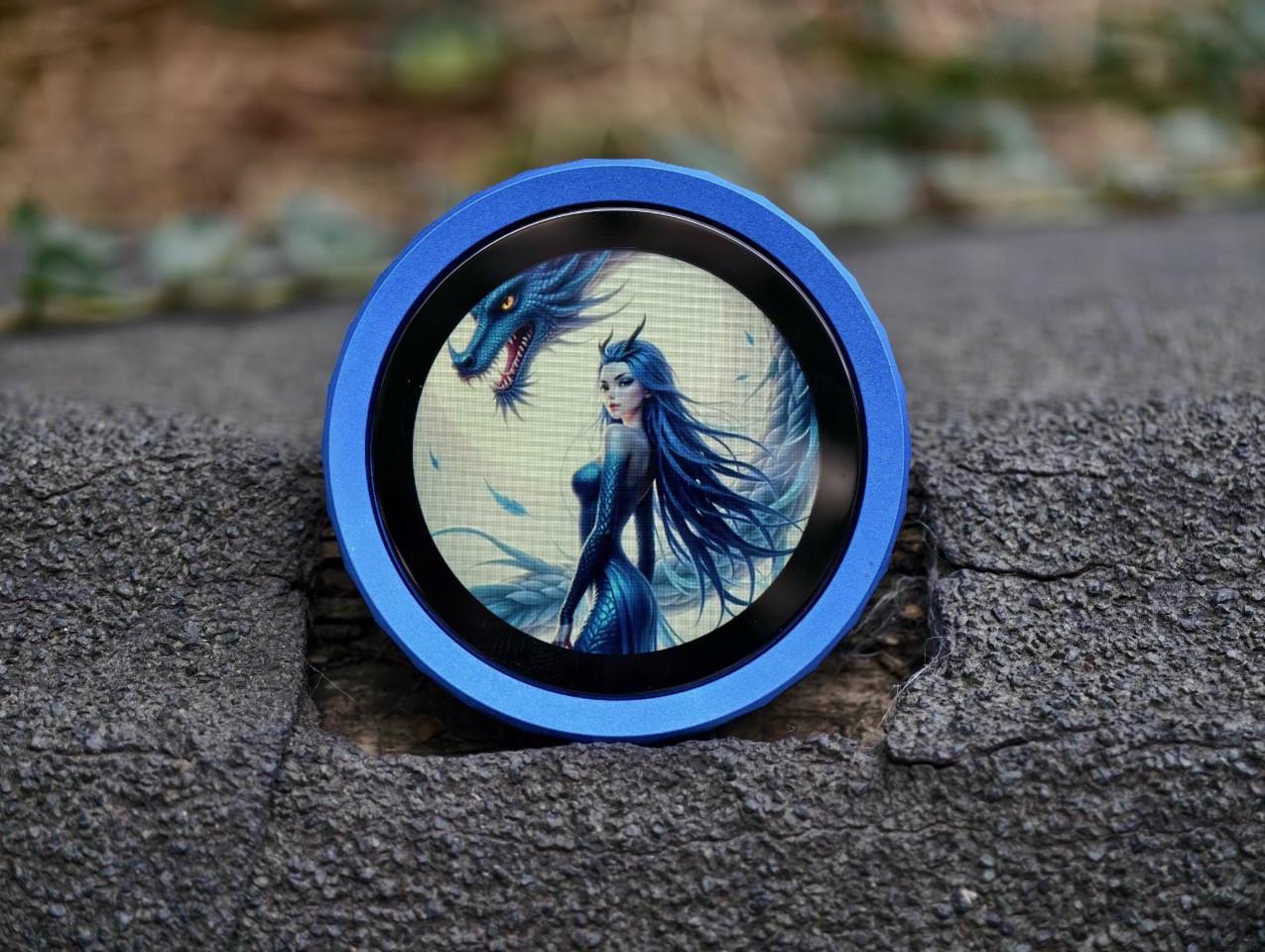
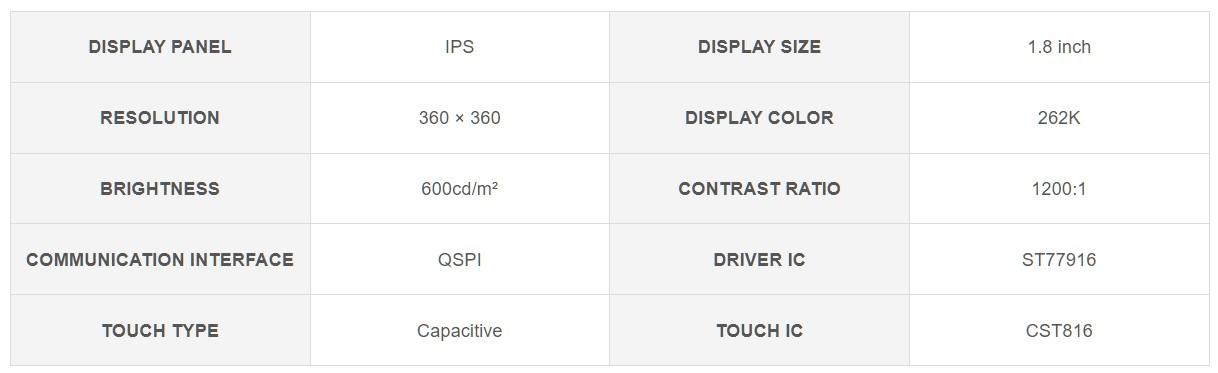
Beyond the central processing and memory, the board incorporates a suite of advanced peripherals. The 1.8-inch (360 × 360 resolution, 262K color) round LCD, while not an AMOLED like some other models, delivers a high-quality visual experience. The capacitive touch panel provides precise and responsive input, complementing the tactile feedback of the rotary encoder. The integrated audio decoding chip is a notable inclusion, enabling the device to function as a standalone audio player or, more creatively, as a real-time audio visualization tool like a spectrum analyzer. A digital-to-analog converter (DAC) is an electronic circuit that converts digital data into an analog signal. The presence of a dedicated audio DAC chip streamlines the process of adding high-quality audio output to projects, a feature not commonly found on competing products.
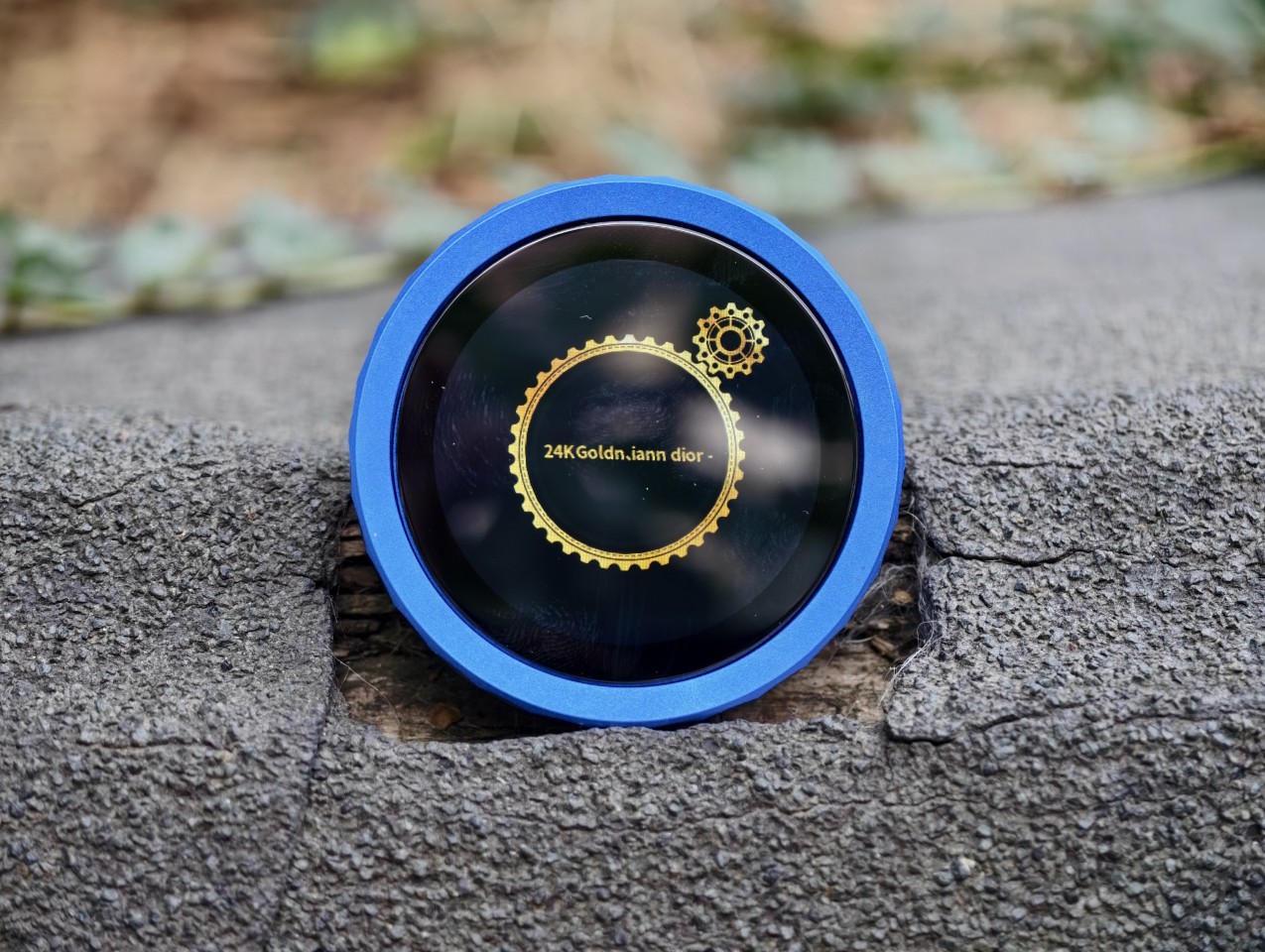
While the dual-MCU design is a significant advantage, it is worth noting a detail observed in community discussions regarding its implementation. Reports from developers experimenting with voice assistant applications suggest that the audio output and microphone inputs are split between the two chips, which can complicate the programming of certain projects. This architectural choice, while likely intended to optimize performance for specific use cases by distributing workloads, necessitates a thoughtful approach to firmware development and may present a learning curve for those unfamiliar with such a setup. This particular consideration highlights that while the hardware is incredibly capable, it requires a nuanced understanding for advanced, integrated applications like voice control.
The Development Ecosystem: Seamless Integration and Power
A great piece of hardware is only as good as the software ecosystem that supports it. The Waveshare ESP32-S3-Knob-Touch-LCD-1.8 excels in this area, offering a mature and versatile development environment that caters to a wide range of skill levels, from beginners to seasoned developers. The board is fully compatible with popular development frameworks, including the ubiquitous Arduino IDE, the powerful Espressif IoT Development Framework (ESP-IDF), and the user-friendly ESPHome. This broad support ensures that creators can leverage their preferred tools and libraries, making the transition to this new platform seamless.
A significant enabler of the board’s premium user experience is its seamless integration with the Light and Versatile Graphics Library (LVGL). LVGL is a powerful open-source GUI library that allows for the creation of rich, smooth, and modern interfaces on microcontrollers. The ample PSRAM and dual-core processing of the ESP32-S3 are ideally suited for LVGL, enabling the creation of fluid, smartphone-like user interfaces with minimal coding effort. The ability to render complex animations, detailed icons, and high-quality fonts without performance degradation is a game-changer for DIY projects.
For those starting their journey, Waveshare provides a wealth of resources and example code. However, a specific detail to note for Arduino users is the need to use the “GFX Library For Arduino” as the more common “TFT_eSPI” library does not currently support the ST7701 display driver IC used on this board. This is a valuable piece of information for any developer, as following a generic tutorial might lead to initial frustration. The documentation’s specific guidance on required library and board package versions (e.g., ESP32 board package version 2.0.6) demonstrates a commitment to providing a clear path to success, which greatly enhances the user experience and reduces development time.
Real-World Applications: Beyond the Board
The combination of the product’s advanced hardware and its robust software ecosystem opens up a vast array of practical and creative applications. The Waveshare ESP32-S3-Knob-Touch-LCD-1.8 is far more than a simple prototype board; it is a platform for building functional and highly polished end products.
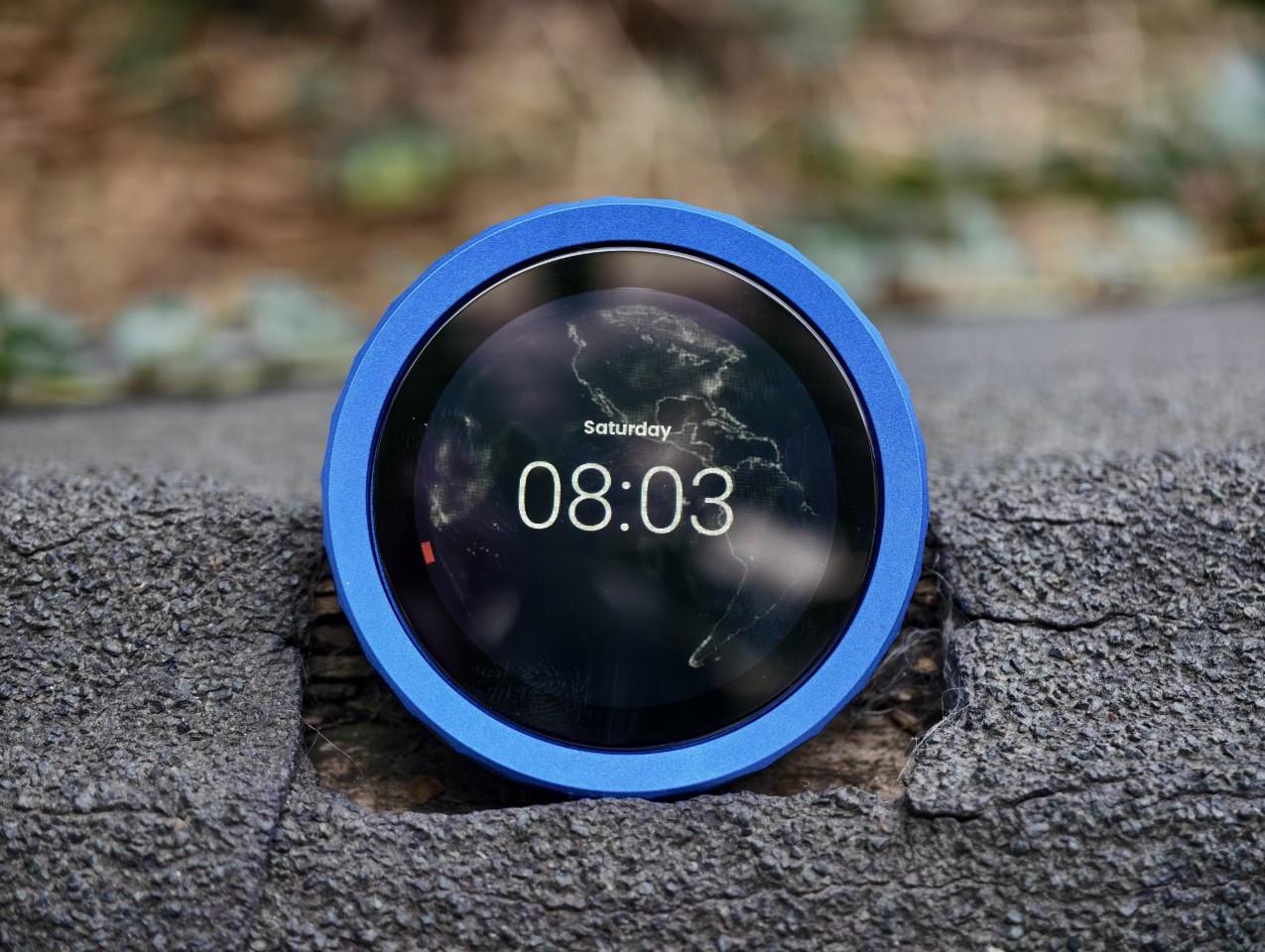
One of the most compelling use cases is its transformation into a Smart Home Command Center. By leveraging frameworks like ESPHome and integrating with a platform like Home Assistant, the board can become a compact, wall-mountable control panel. The tactile rotary knob is perfect for precise adjustments of settings like light brightness or room temperature. At the same time, the responsive touchscreen can be used to navigate between different “pages” for controlling various devices simultaneously. The fluid UI provided by LVGL ensures that the experience is responsive and seamless, feeling more like a dedicated consumer product than a DIY project.
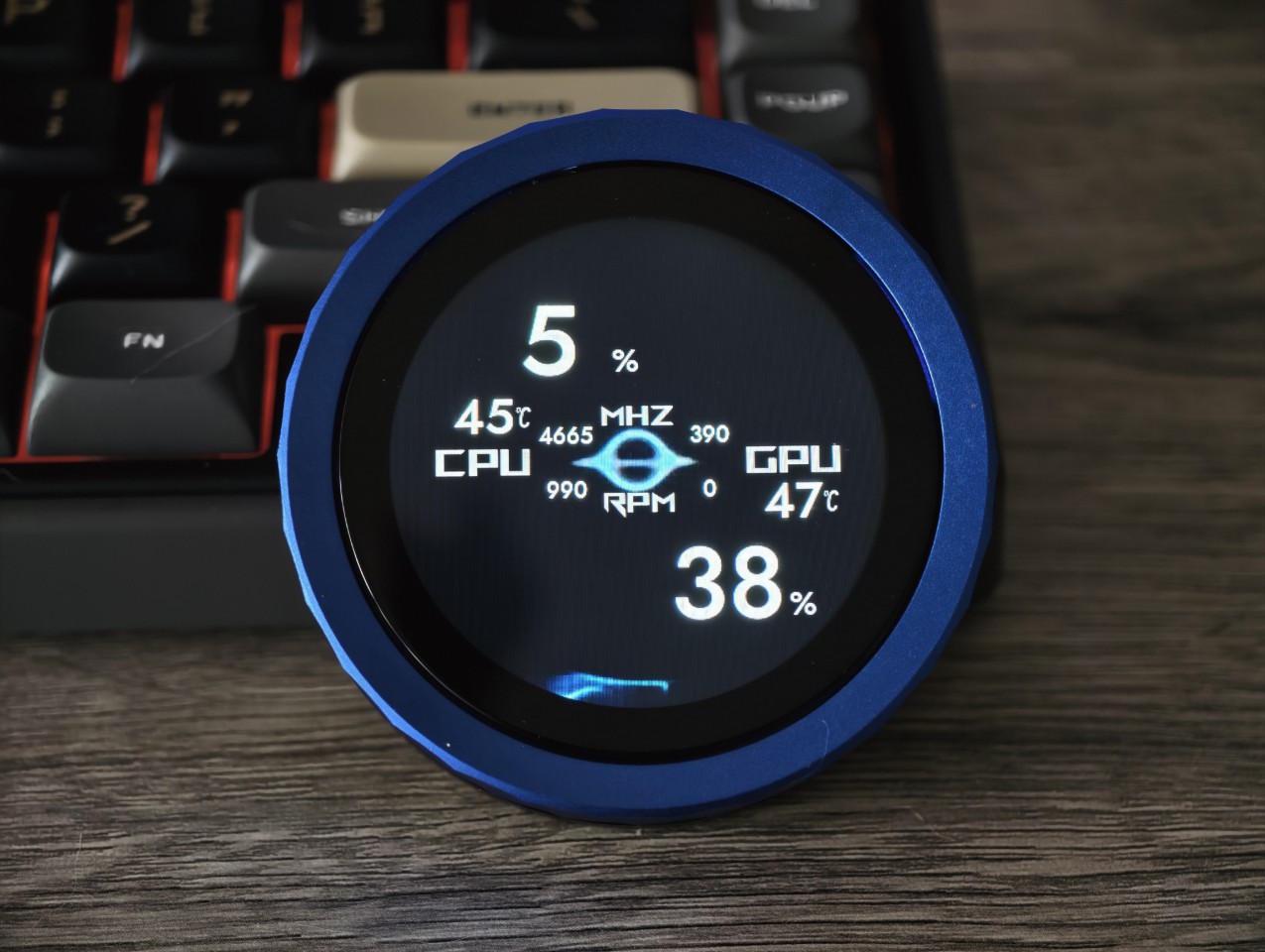
Its versatility also extends to a Desktop Monitoring and Companion role. The provided firmware includes a demo that can be configured to display real-time PC performance data from software like AIDA64. This allows the board to function as a sleek, standalone gadget that provides a quick visual overview of system parameters like CPU temperature, RAM usage, and network activity. This application showcases the board’s ability to seamlessly integrate into existing tech setups, positioning it as a professional-grade accessory for gamers, engineers, and power users alike.
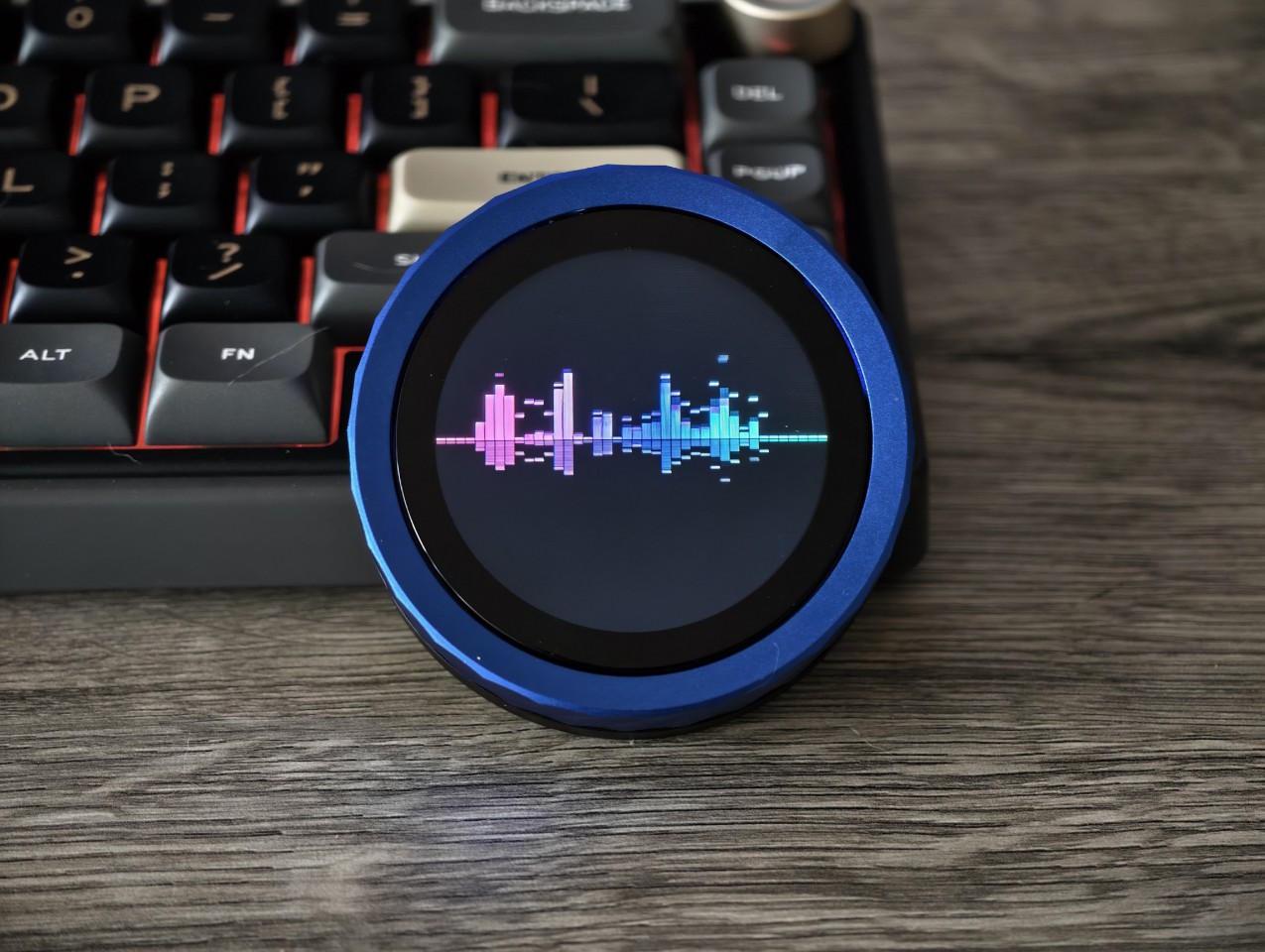
Furthermore, the board’s unique features make it ideal for Interactive Media and Audio Visualization. The integrated audio DAC and powerful display capabilities allow for the creation of a standalone Bluetooth music player with on-screen controls. Developers can take this a step further by programming a real-time audio spectrum analyzer, where the display dynamically visualizes music or other sound inputs. The ability to combine audio processing with a high-performance GUI and tactile controls makes it a perfect platform for building unique audio gadgets, demonstrating the board’s creative potential beyond its primary HMI functions.
Competitive Analysis: A Cut Above the Rest
The market for integrated knob-and-display development boards is expanding, with products from a variety of manufacturers offering different trade-offs. Two prominent alternatives are the M5Stack Dial and the Elecrow CrowPanel. While these boards share a similar form factor and core concept, a comparative analysis reveals the distinct advantages of the Waveshare ESP32-S3-Knob-Touch-LCD-1.8.
The following table provides a side-by-side comparison of the key features of these devices.
| Feature | Waveshare ESP32-S3-Knob-Touch-LCD-1.8 | M5Stack Dial | Elecrow CrowPanel 2.1-inch |
| Core Chip | ESP32-S3 + ESP32 (Dual-MCU) | ESP32-S3 | ESP32-S3R8 |
| Screen Size | 1.8 inch | 1.28 inch | 2.1 inch |
| Resolution | 360 × 360 px | 240 × 240 px | 480 × 480 px |
| Unique Features | CNC metal case, ball bearing knob, dual-MCU, audio DAC | RFID detection, RTC, buzzer, LiPo battery support | LED ambient light, cost-effective, large, high-res screen |
| Build Quality | Premium, CNC-machined metal case | Plastic enclosure | Plastic enclosure |
| Price | ~$46 | ~$46 | ~$36 |
The most significant differentiator is the Waveshare product’s premium build quality. While competitors offer similar functionality, their enclosures are typically plastic. The Waveshare’s CNC-machined metal case and ball-bearing rotary encoder are unique in this segment and firmly position it as a higher-end, more durable product. This hardware-level attention to detail is a powerful statement of quality.
From a technical standpoint, the Waveshare board’s unique dual-MCU architecture sets it apart. While the ESP32-S3 is a formidable chip on its own, the secondary ESP32 SoC allows for sophisticated task delegation, potentially enabling a level of performance optimization not possible on single-chip boards. This design choice is a reflection of a deeper engineering philosophy focused on maximizing efficiency for specific high-performance or task-segregated applications.
Furthermore, Waveshare’s established reputation and extensive history in the electronic components market provide a layer of reassurance. The company has been a major player in the display industry for over 13 years and boasts a catalog of nearly 1,000 products, including a significant presence in the Raspberry Pi and ESP32 markets. This robust history and supply chain suggest a commitment to quality and technical support that is difficult for smaller competitors to match. While some community feedback has noted minor issues with other product lines, the quality of this particular board is a strong indicator of the company’s technical prowess and commitment to innovation.
Conclusion: The Definitive Choice for Innovation
The Waveshare ESP32-S3-Knob-Touch-LCD-1.8 stands as a remarkable achievement in the realm of integrated HMI solutions for the maker community. It is a product that seamlessly marries form and function, providing a high-quality physical experience with a powerful, versatile, and well-supported technological foundation. The report’s analysis confirms that this device is more than just another development board; it is a true platform for creators who aspire to build professional, high-end gadgets and control systems.
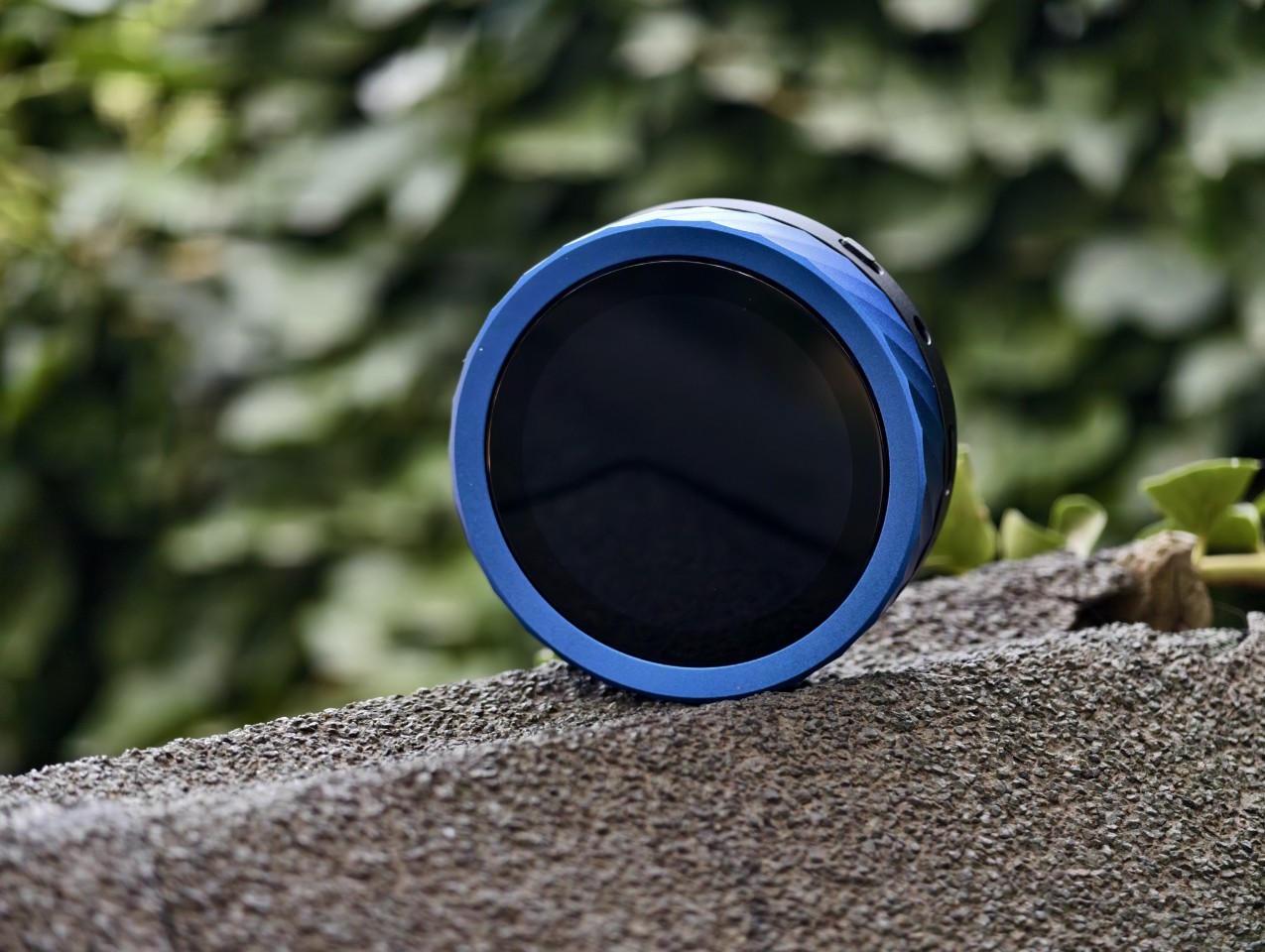
The combination of a premium, CNC-machined metal enclosure, a smooth and precise ball-bearing rotary encoder, and a vibrant touch display sets this product in a class of its own. Its unique dual-MCU architecture, which intelligently leverages the power of the ESP32-S3 for complex applications while a secondary chip handles auxiliary functions, provides a performance advantage that is critical for fluid user interfaces. This is complemented by a mature software ecosystem, with robust support for Arduino, ESP-IDF, and ESPHome, along with seamless integration with powerful graphics libraries like LVGL.
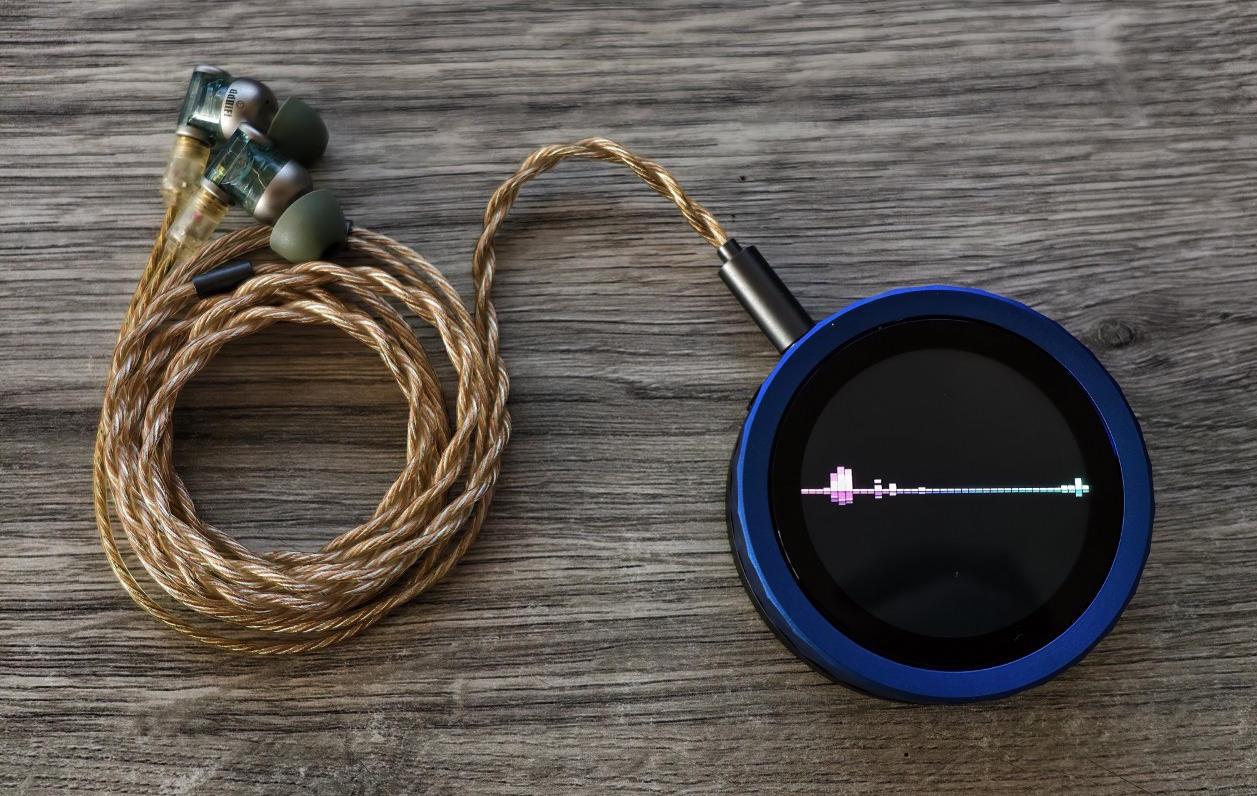
The Waveshare ESP32-S3-Knob-Touch-LCD-1.8 is for the hobbyist who wants their project to look as good as it functions, for the designer who needs a polished HMI, and for the engineer who desires a complete, robust solution out of the box. It offers a clear path to creating next-generation smart gadgets, from Home Assistant control panels to desktop performance monitors and interactive audio devices. This board is not merely a new option in the market; it is a compelling new standard for what is possible in DIY electronics, demonstrating a powerful commitment to quality, performance, and user experience.
Specs
- Equipped with ESP32-S3 and ESP32 dual MCUs, up to 4 cores, and 240MHz main frequency
- Supports 2.4GHz Wi-Fi (802.11 b/g/n) and Bluetooth 5 (LE) and Classic Bluetooth, with onboard antenna
- Built-in 512KB SRAM and 384KB ROM, with onboard 16MB Flash and 8MB PSRAM
- Onboard 1.8inch LCD display, 360 × 360 resolution, 262K color
- Supports touch control via I2C interface, with interrupt support
- Onboard audio decoder chip, microphone, knob encoder, vibration motor, TF card slot, and battery recharge management module
- CNC process metal case, nice looking and durable, easy to carry
- Price: $45.99 – $46.99
Disclaimer: The Waveshare ESP32-S3 Knob Display Development Board was kindly provided by Waveshare for review.