

SIMGOT GAME EG280 Review – 1DD +1 Planar HiFi IEM For Gaming
The SIMGOT EG280 stands out by combining two driver technologies in a bold, hybrid package: a 10 mm dynamic driver + a 6 mm planar magnetic driver in each ear-canal shell. The aim is ambitious: deliver both the physical impact demanded by gaming and the subtle nuance required for high-fidelity music listening.
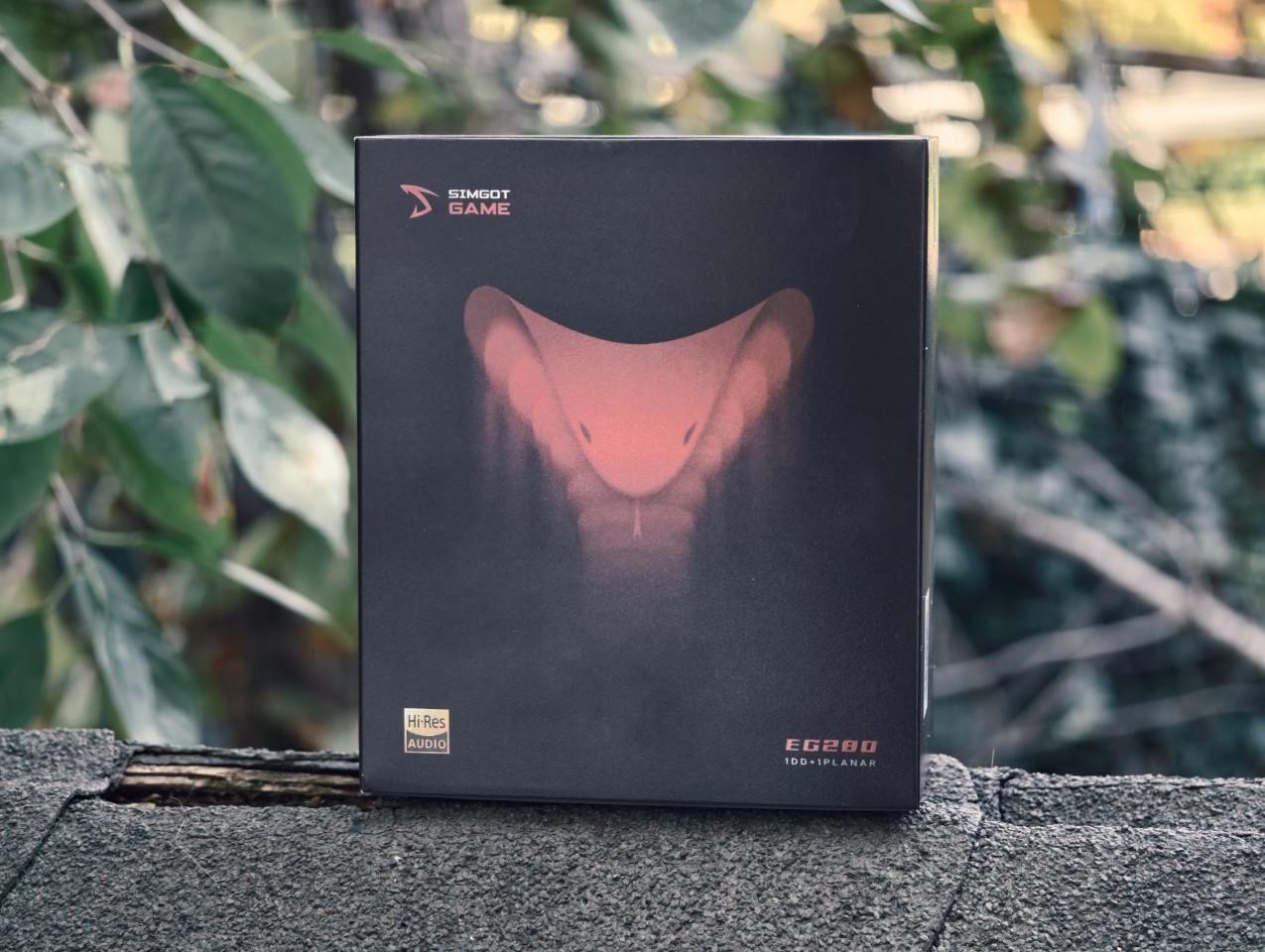
At its price point, this combination—along with features like a built-in USB-C DAC, long cable, and customization via an app EQ—makes the EG280 far more than “just another IEM.” It sets out to blur the lines between gaming gear and serious audio gear, offering a unique proposition for listeners who do both.
Origins & Design Intent
When SIMGOT announced the EG280 under their “GAME” sub-brand, the promise was bold: a hybrid IEM combining a 10 mm dynamic driver and a 6 mm planar driver, tuned for both gaming and hi-fi listening. The goal was clear: deliver strong dynamics, musical texture, and precise spatial placement within one driver system. The marketing emphasises “studio-grade” audio, “precise footstep positioning,” and “Hi-Res wired connectivity” for mobile and desktop alike.
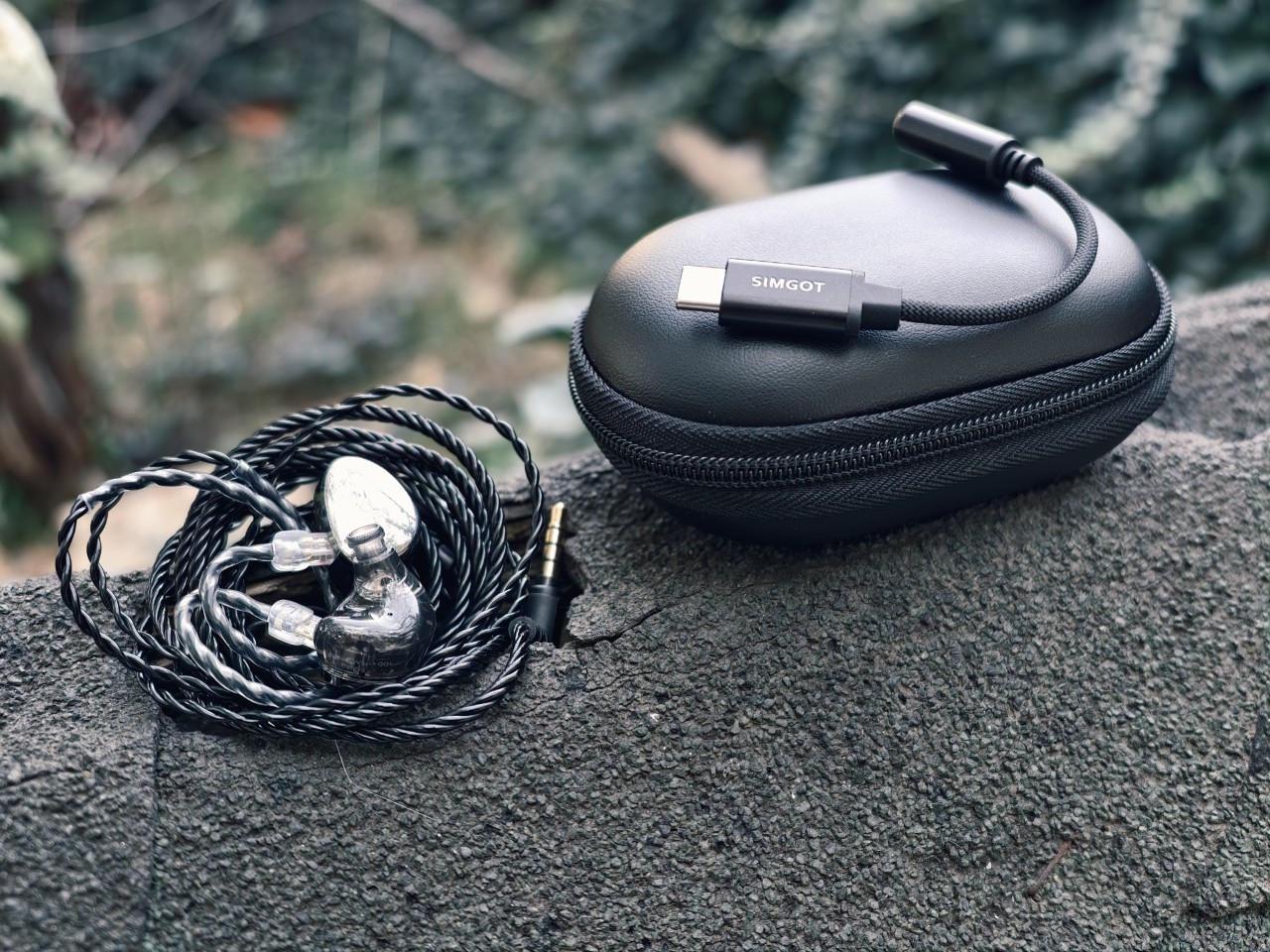
Such an architecture is uncommon in its class. The challenge lies in integrating the two drivers so that they respond and sound like one, avoiding mismatches in timbre, drivers overtaking each other, or gaps in frequency response. SIMGOT addresses this through a dual-chamber dynamic driver (second-gen SSPC crystalline LCP diaphragm) plus a custom planar magnetic unit. The cable includes a USB-C dongle-DAC supporting 32-bit/384 kHz PCM, making the EG280 plug-and-play across many devices.
The value proposition is clear: for gamers who listen deeply, or audiophiles who game occasionally, the EG280 offers features typically reserved for higher price tiers.
Design, Build & Ergonomics
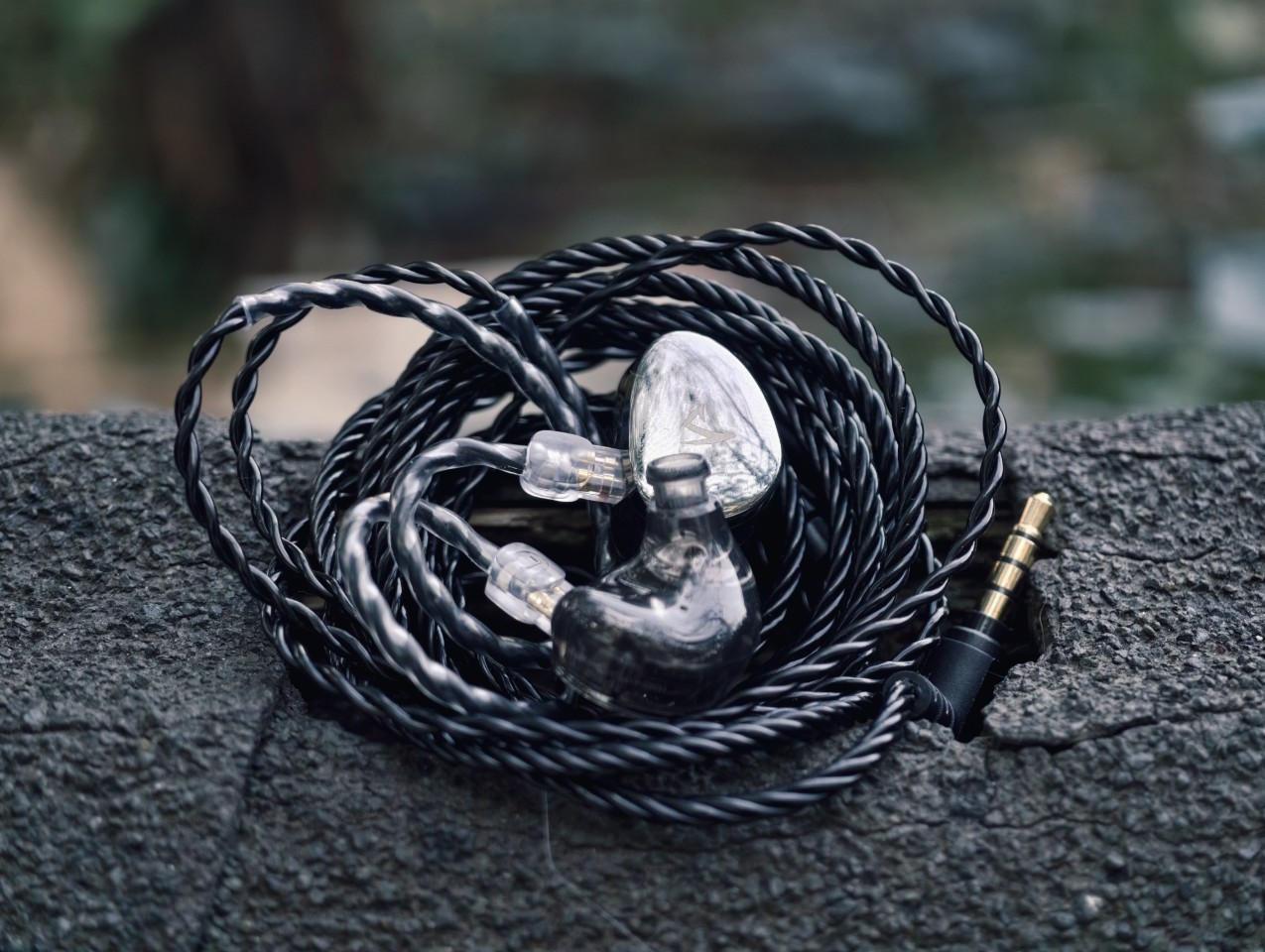
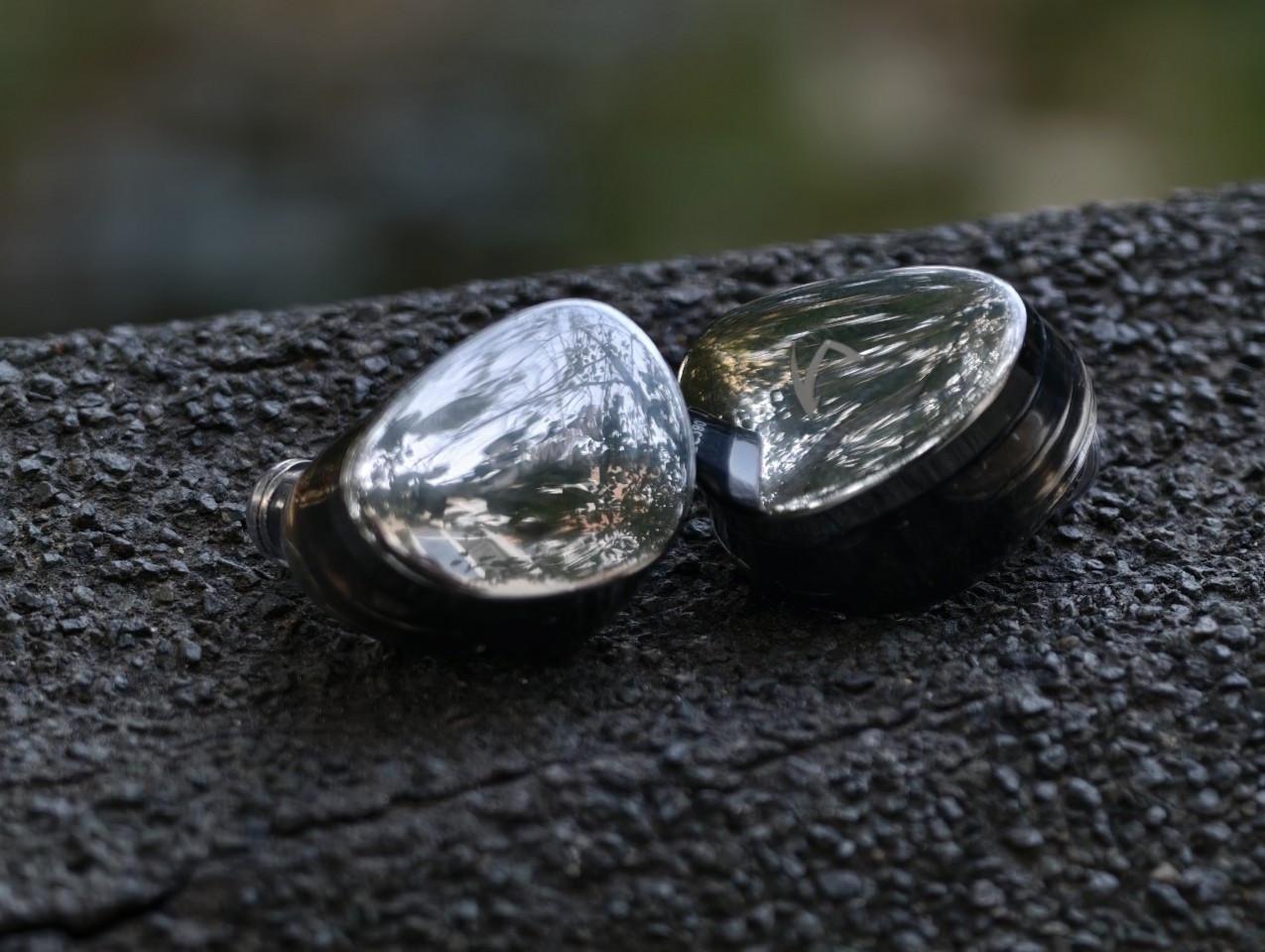
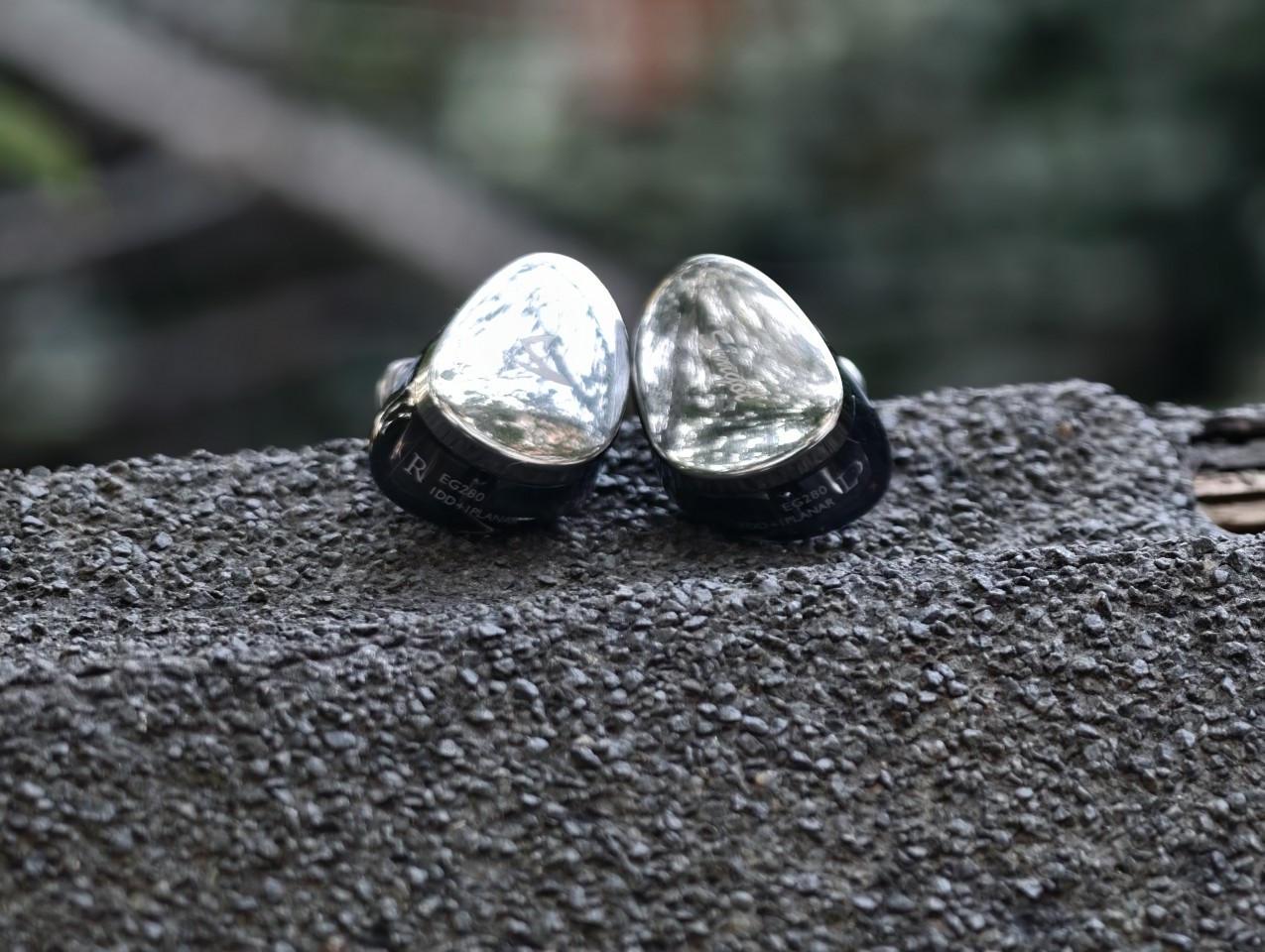
From a craftsmanship standpoint, the EG280 presents well. The shells are made from resin or polymer with a polished finish and minimal branding. The shells are slightly heavier than single dynamic-driver IEMs, but comfort remains excellent thanks to the low-profile shape and ergonomic nozzle design.
The detachable cable uses a standard 0.78 mm 2-pin interface, making cable swaps possible (though not all aftermarket options may precisely match its tuning). The stock cable measures about 1.7 meters, constructed from high-purity oxygen-free copper (OFC), with an inline mic and USB-C adapter. These design decisions support both casual listening and desktop/gaming setup usage.
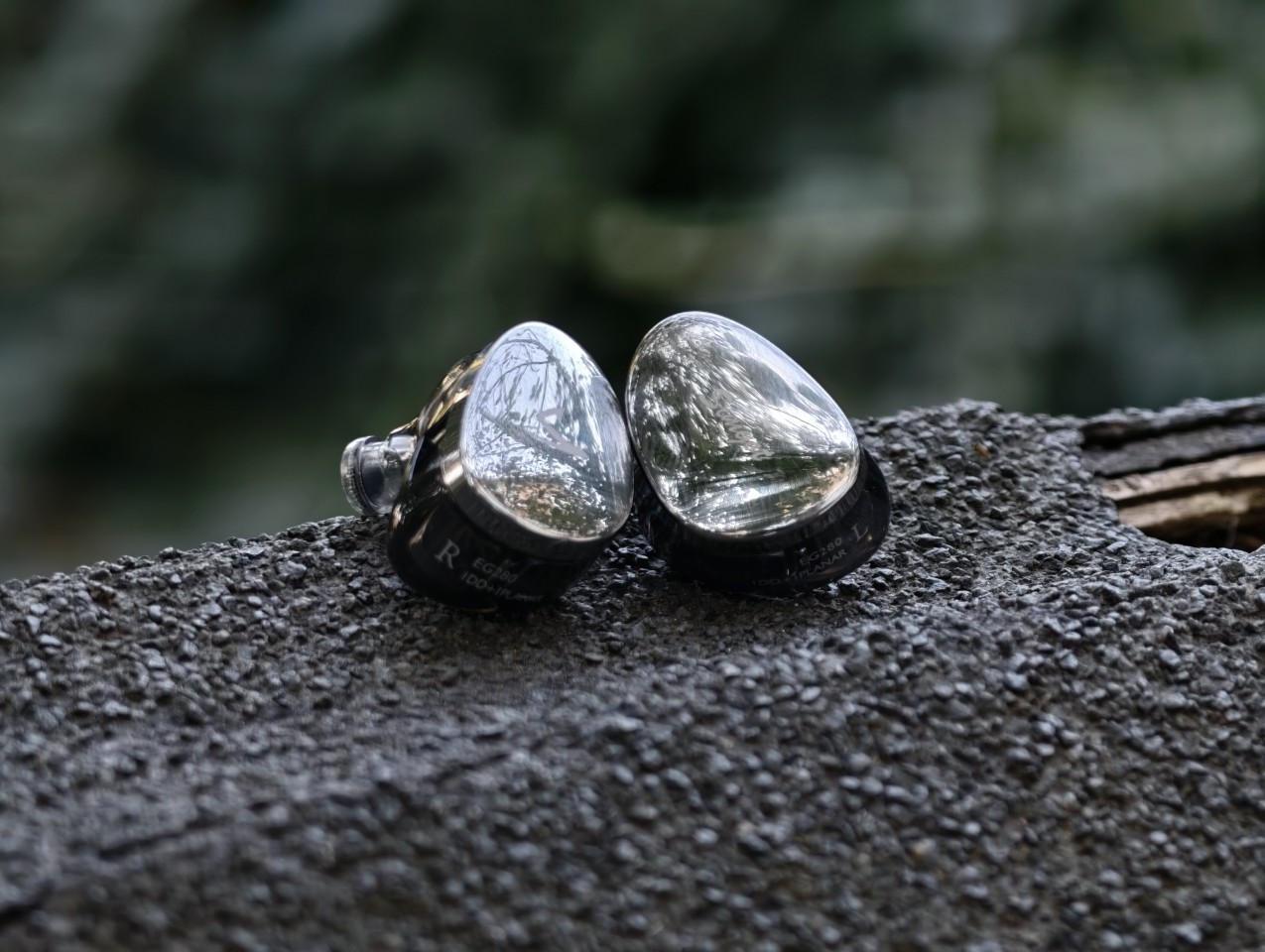
Comfort and isolation are reasonable for the form factor. The fit is snug, the cable is flexible, and long sessions cause little fatigue. Isolation is moderate; users of very noisy environments may hear some ambient bleed, but for many listening contexts, the seal is adequate. Overall, ergonomically and build-wise, the EG280 is strong in its class.
Specifications
-
Driver Configuration: 1 × 10 mm dynamic driver (SSPC crystalline LCP diaphragm) + 1 × 6 mm planar magnetic driver per side
-
Impedance: 32 Ω ±15% (@ 1 kHz)
-
Sensitivity: 119 dB/Vrms (@ 1 kHz)
-
Frequency Response (claimed): 20 Hz – 20 kHz (some sources list 8 Hz – 40 kHz)
-
Connector: 0.78 mm 2-pin detachable
-
Cable: High-purity oxygen-free copper (OFC), approx. 1.7 m length, includes an inline mic and a USB-C dongle-DAC support
-
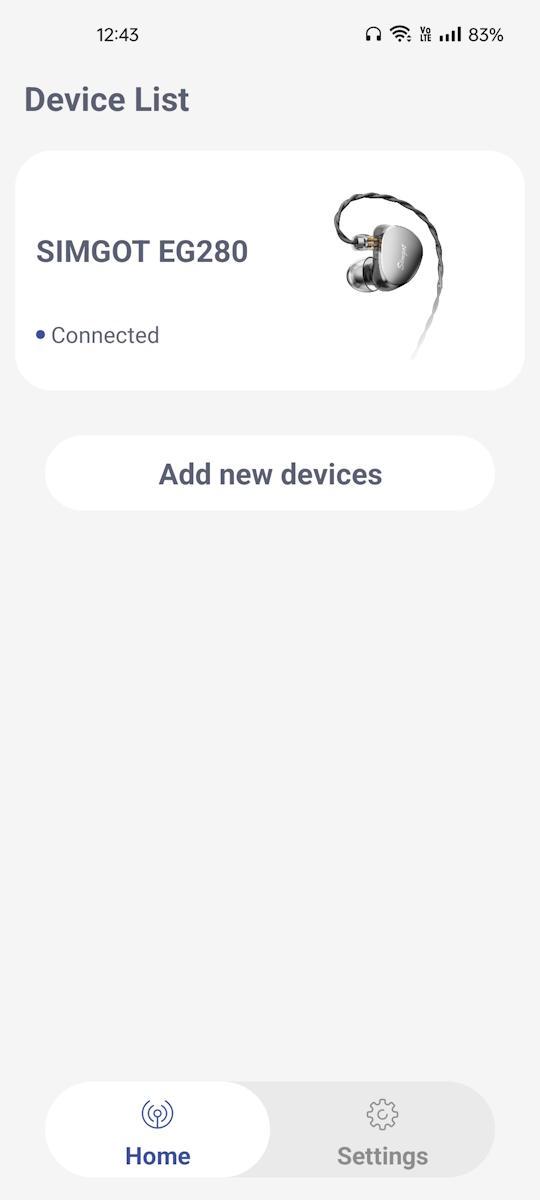
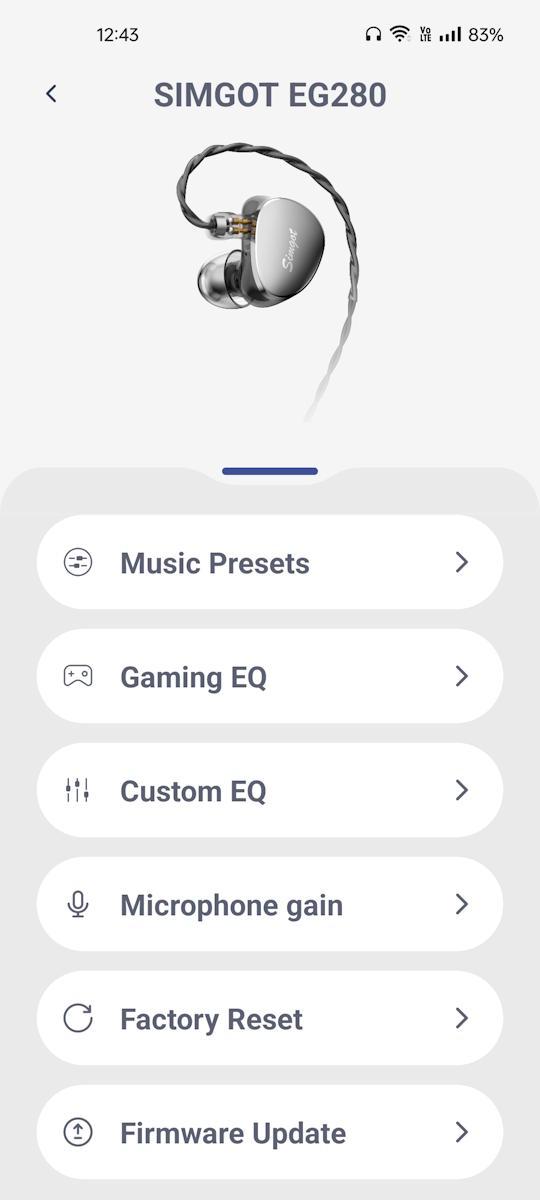
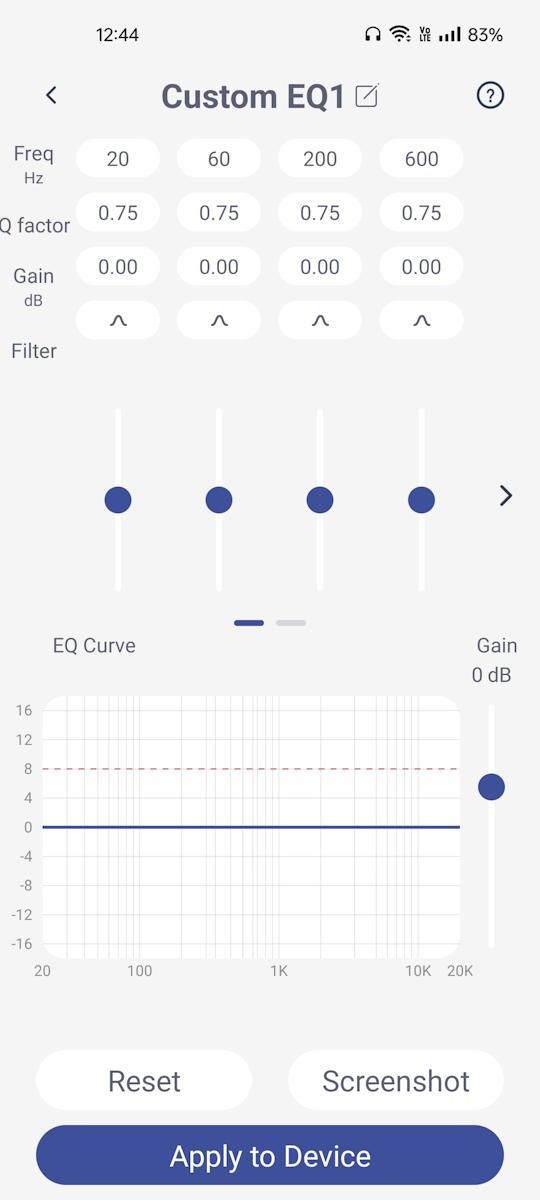
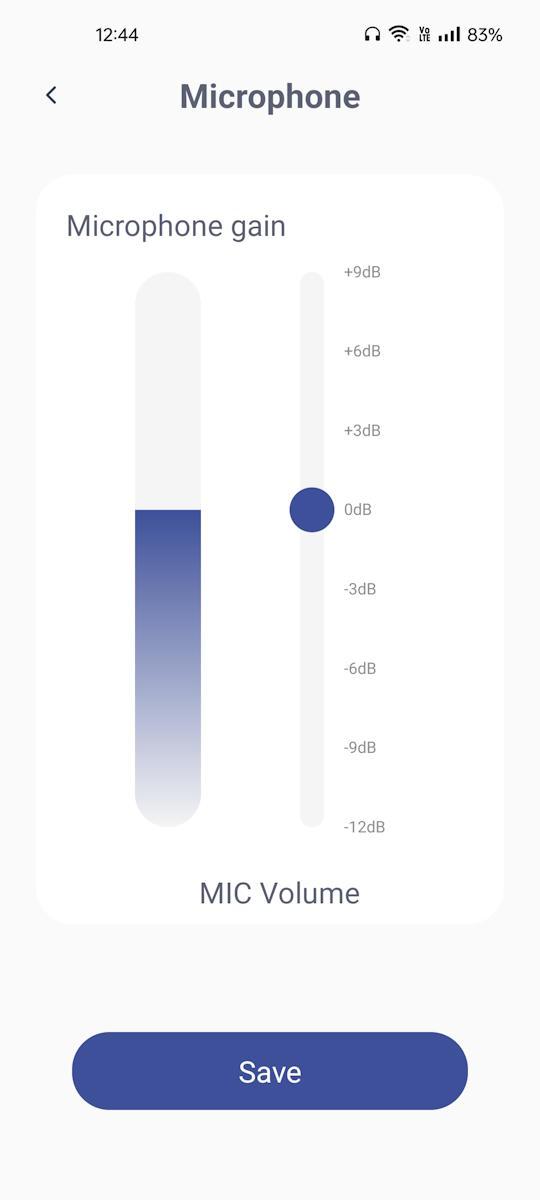
Additional Features: Built-in USB-C DAC supporting up to 32-bit/384 kHz PCM, customizable EQ via SIMGOT Control app, gaming-tuned target curves (H-2019 & Game&HiFi 2025)
- Price: $79.99
Unboxing
Disclaimer: The SIMGOT GAME EG280 was kindly provided by Linsoul for review.
SIMGOT Control App


Sound
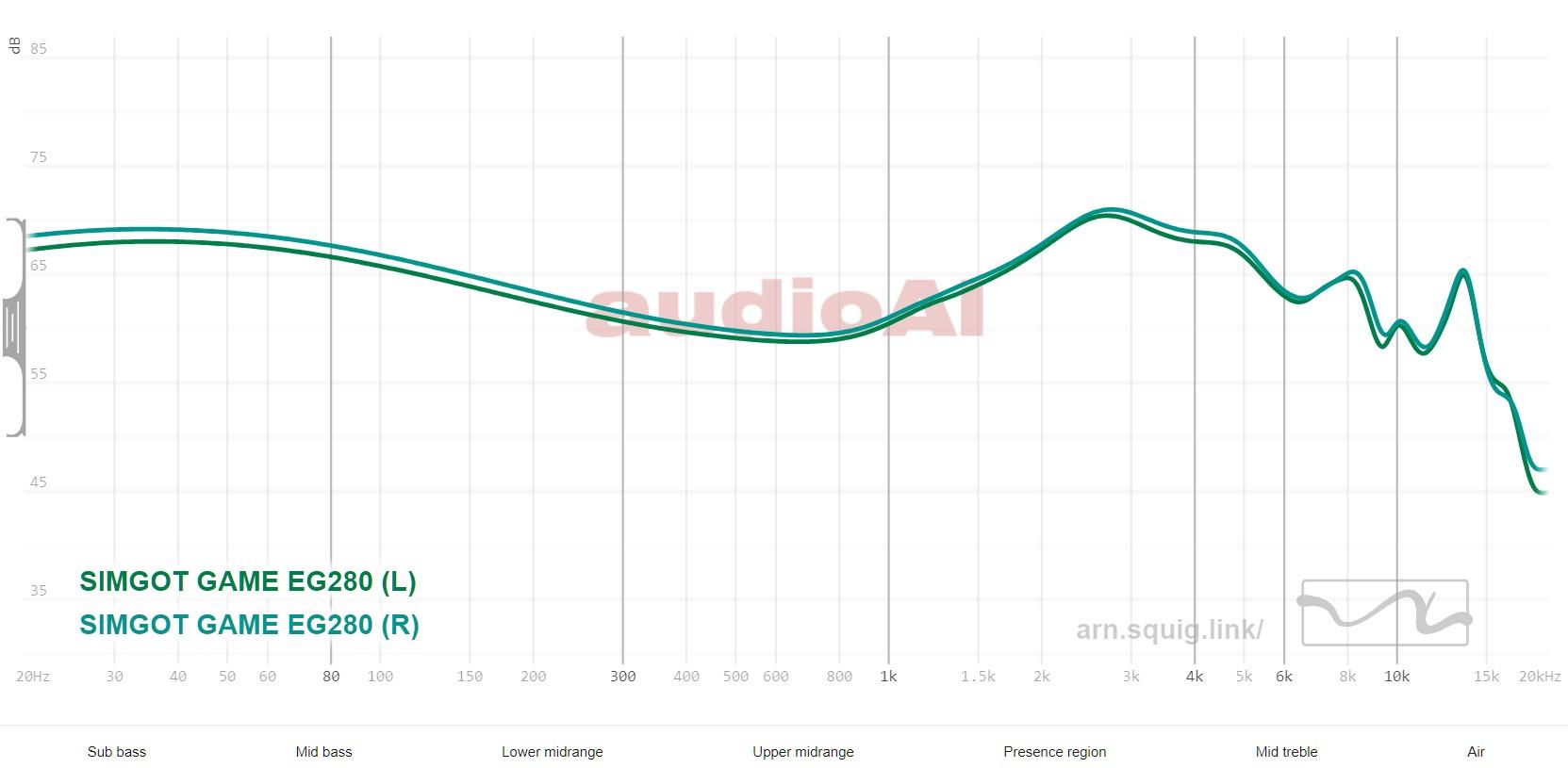
At the heart of the EG280 experience lies its hybrid driver system. The dynamic driver takes responsibility for moving air, providing bass weight and physical presence, while the planar driver contributes speed, transient sharpness, and high-frequency extension with finesse. In well-designed hybrids, these elements should be coherent—listeners should perceive one unified sound rather than two disparate driver voices.
The EG280 shows careful tuning in crossover and chamber design to present a unified front. Reports suggest minimal driver mismatches and a reasonably coherent timbre across frequency bands.

Bass
The dynamic driver provides a substantial foundation. Sub-bass extension is clearly present—bass-heavy tracks and cinematic cues benefit from rumble and weight. Mid-bass is lively; kick drums have presence, bass guitars retain textural detail.
One caveat: the tuning appears to slightly shape the upper bass/lower mid region to maintain clarity in mids and treble, which means while bass is strong, it is not “bass-boosted” to excess. This shaping aids clarity, but may feel more moderate compared to purely bass-heavy sets.

Midrange
In this hybrid design, the midrange functions as a lynchpin. Vocals, acoustic instruments, and timbral realism define the listener’s emotional connection to music. The EG280 presents vocals with natural tonality—neither overly bright nor muffled.
Acoustic instruments maintain fidelity: guitars, pianos, and strings have body and texture. The planar unit helps the upper mids and lower treble with speed and clarity, without making the mids feel thin. The tuning leans toward clarity and openness.

Treble
Here, the planar driver shines. Treble is extended, airy, and detailed. Hi-hats, cymbals, and percussive overtones are clear, with noticeable shimmer and ambient cues.
At the same time, the top-end is controlled; excess sharpness or fatigue is avoided through measured roll-off. Some sources mention that the tuning allows for sparkle without metallic harshness.

Dynamics
The EG280 delivers strong contrast. Soft passages remain alive, louder ones convey energy without distortion. The combination of a dynamic and planar driver gives both body and speed, meaning the listener is treated to weight and detail simultaneously.
Imaging & Soundstage
For its class, imaging is a standout. Instruments and positional cues localise well, which is especially beneficial for gaming. While soundstage depth may not match open-back headphones, the sense of placement and separation is above average for in-ear monitors.
Coherence
An essential check for hybrid drivers is whether the handover is audible. The EG280 fares well: transitions feel smooth, and driver voices merge into one consistent presentation rather than jumping out.
Noise Floor & Distortion
With an impedance of 32 Ω and high sensitivity, the EG280 is easy to drive. Distortion remains well controlled, and the wire-based connection (including USB-C DAC) ensures clean signal paths and minimal latency.
Genre-by-Genre Listening
Classical & Orchestral
In orchestral passages, the EG280 handles layering with competence. The low-string section and bass instruments carry depth, mid-range instruments such as woodwinds and brass maintain presence, and the treble overlays (upper strings, percussion) deliver with clarity. The shaping in upper bass/lower mid allows separation to remain intact even during complex passages.

Jazz & Vocal
In jazz and vocal performances, the EG280 impresses. Upright bass is textured, drum brush work and cymbals carry air, and vocals appear natural and expressive. The tuning supports nuance and space, lending a live-studio feeling to small-ensemble recordings.
Rock, Metal & Pop
For rhythm-driven music, the dynamic driver’s weight provides kick and body, while the planar side ensures crispness in treble and lead instruments. Guitars cut through, drums punch, and vocals remain audible. Where extremely bass-heavy or highly aggressive mixes are involved, the tuning may feel more controlled than “wall-shaking,” but this aids clarity and prevents fatigue.
Electronic & Gaming
Perhaps where the EG280 has special strength is in gaming and electronic music. The sub-bass impact gives depth to bass synths and explosions, while the planar driver’s speed contributes to positional accuracy and quick transient response. The included USB-C DAC and gaming-tuned EQ profiles enhance performance in gaming contexts: footsteps, directional cues, and environmental sounds are well rendered.
Ambient & Soundtracks
Ambient soundscapes and cinematic soundtracks benefit from the high-frequency air, dynamic lows, and spatial clarity. Quiet sections retain detail, reverb tails are audible; louder cinematic moments carry impact without blur. The EG280 handles both the subtle and the forceful well.
Practical Pairing & Usage
Given its 32 Ω impedance and high sensitivity, the EG280 pairs easily with modern smartphones, DAPs, laptops, and gaming PCs. The inclusion of a USB-C dongle DAC is a practical bonus: it bypasses weaker headphone outputs and ensures consistent performance across devices. The long 1.7 m cable gives slack for desktop setups and reduces cable-pull issues: the inline mic and high-purity VC cable support voice chat and gaming communication.
Tip matching is important. Because the planar driver responds quickly, the seal and tip material can affect bass extension and treble balance. Users report that switching between foam and silicone tips can alter the tonal balance. For gaming sessions, the wired connection ensures near-zero latency, meaning audio-visual sync is maintained—critical for esports or competitive play.
For music listening, switching from the gaming EQ to a more neutral or custom EQ profile will reveal the EG280’s fuller musical potential.
Sum-Up
The SIMGOT EG280 is more than a budget IEM. Its dual-driver topology—a 10 mm dynamic and a 6 mm planar—delivers the best of both worlds: bass with physical presence, treble with clarity, midrange with natural tone. Add in the long cable, USB-C DAC, and EQ customisation, and you have a set that punches far above its price.
For someone who games hard, listens deeply, or wants one set that can do both with credibility, the EG280 is a strong contender. It balances impact and transparency, immediacy and subtlety. It may not match the sheer expansiveness of ultra-high-end IEMs or open-back headphones. Still, for what it is—and for what it offers—the EG280 delivers exceptional value, intelligent engineering, and enjoyable sound.