
Kiwi Ears Septet Review – A Quadbrid Marvel
The Kiwi Ears Septet’s development spans almost two years, with a focus on precision and innovation. It incorporates a comprehensive 5-way passive crossover network, paired with advanced acoustic tuning and a three-bore nozzle system to achieve a balanced, optimal tuning profile.
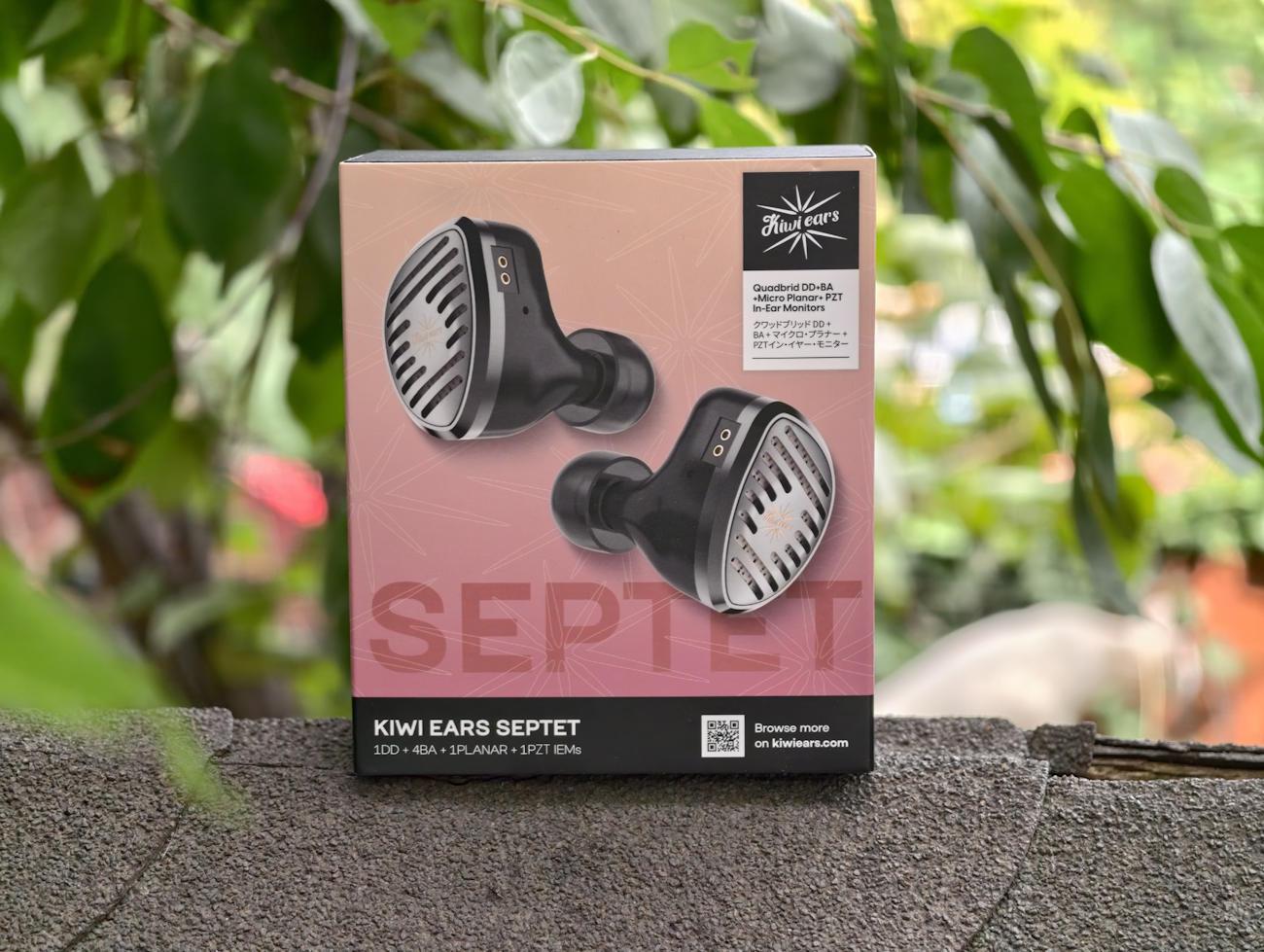
The 5-way crossover spans across 4 driver types and 7 individual drivers, ensuring that each driver group handles the ideal frequency range.
- 1 Dynamic Driver (DD): A 10mm driver handles the bass duties, specifically designed to power the sub-bass and bass frequencies
- 4 Balanced Armature (BA) Drivers: These cover the midrange and lower treble, known for their clarity and detail.
- 1 Micro Planar Driver: A planar transducer (MPT) driver dedicated to the upper treble, bringing speed and airiness.
- 1 Piezoelectric (PZT) Driver: This handles the upper frequencies, adding sparkle and extension beyond what the planar can do.
Design & Comfort
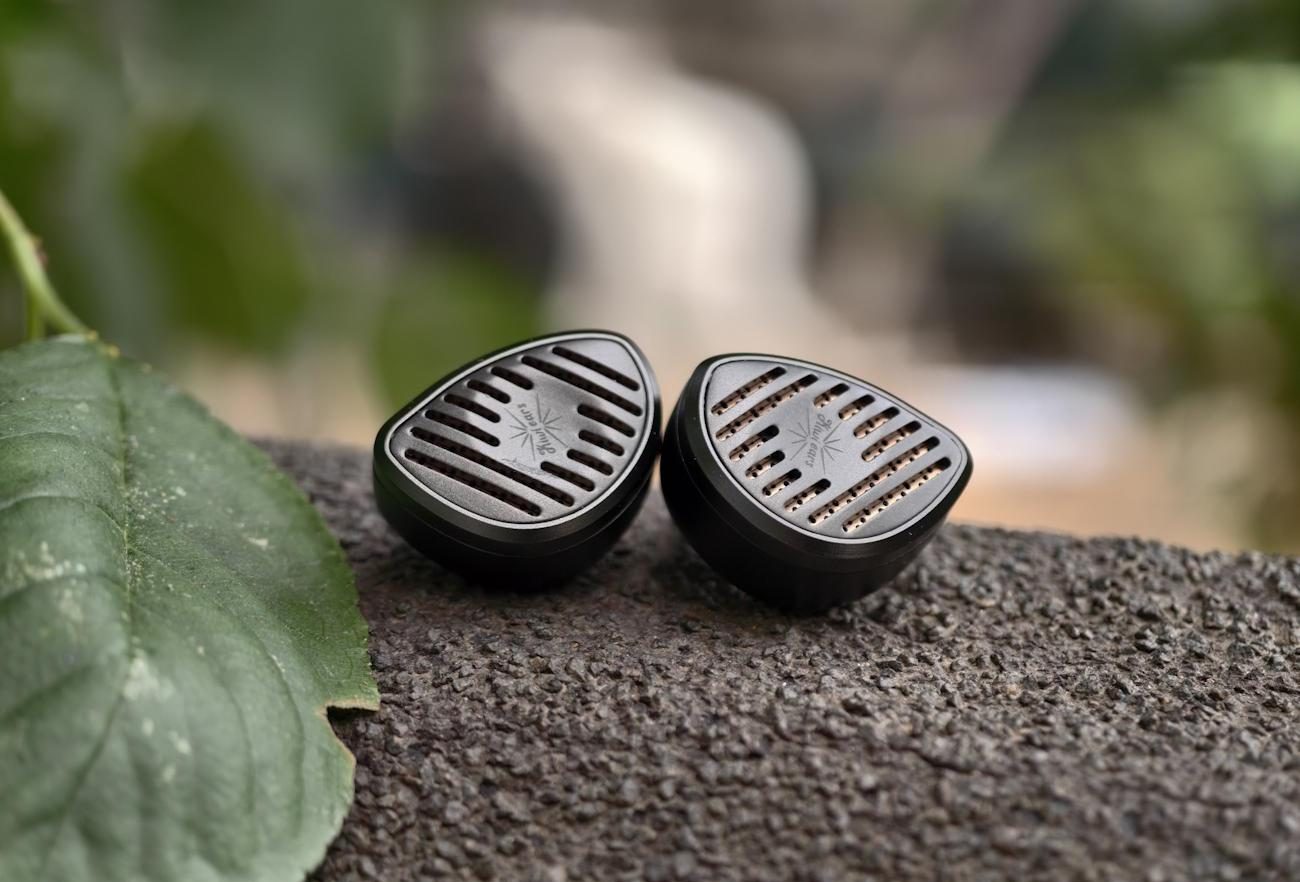
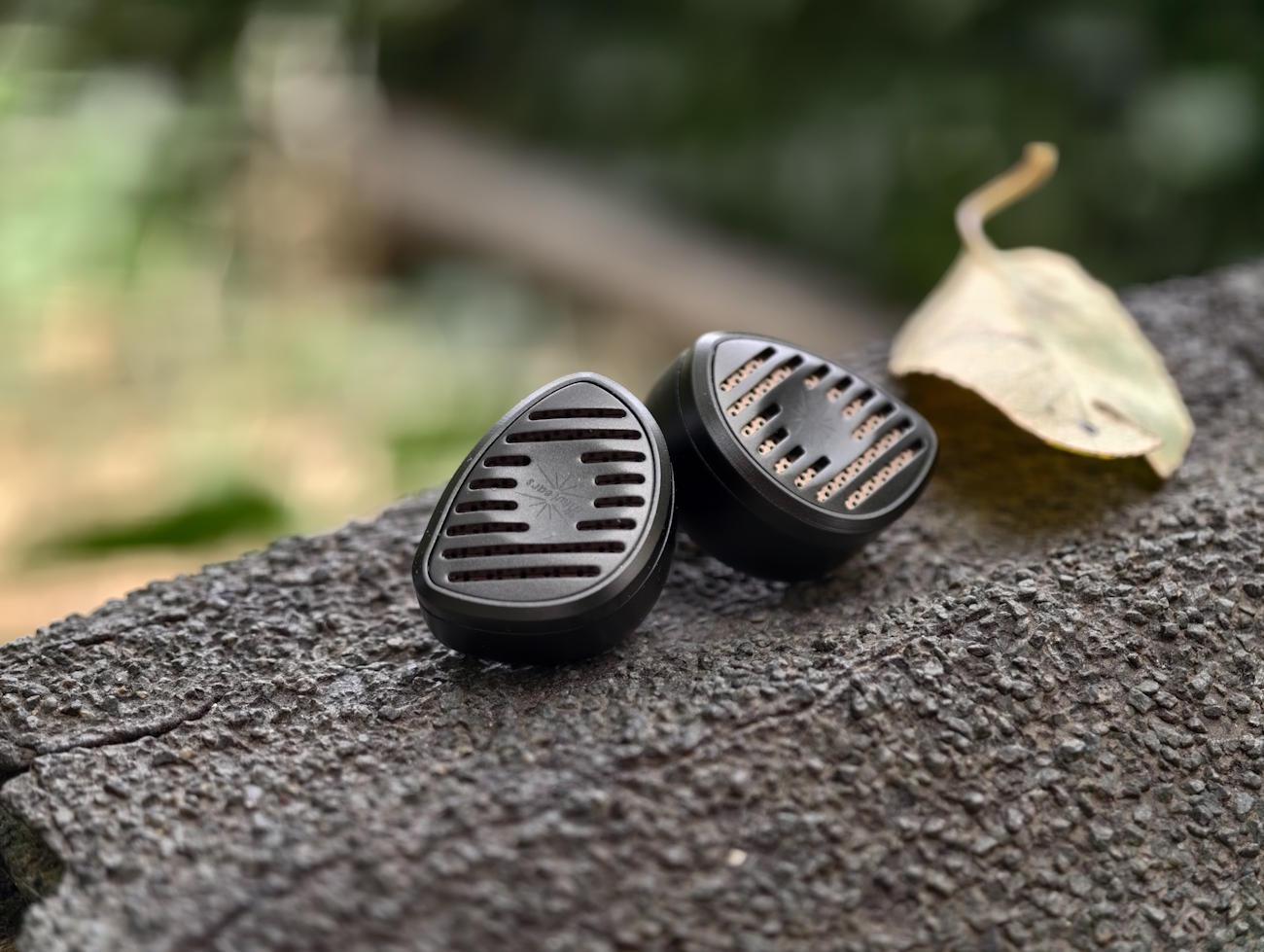
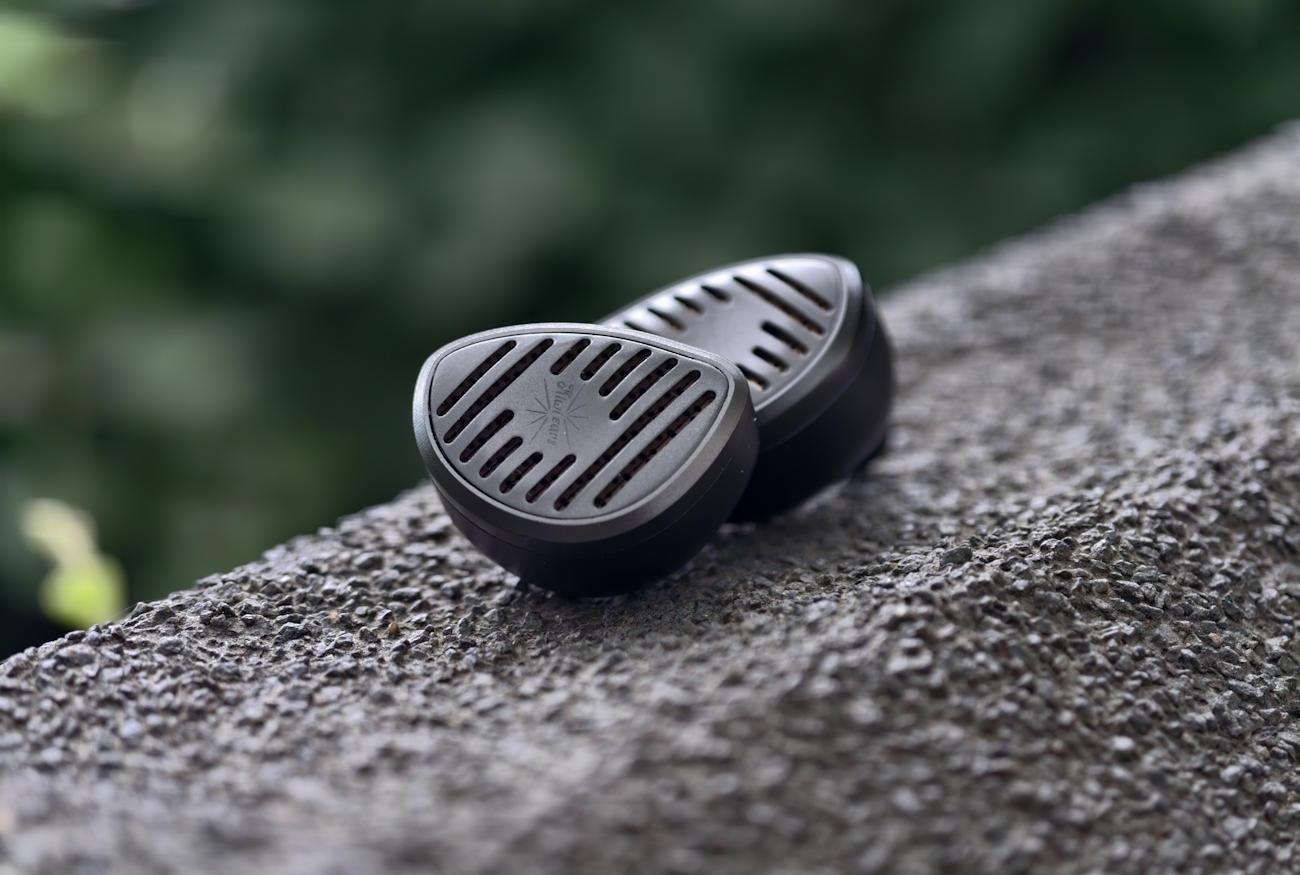
The Kiwi Ears Septet features an open-back IEM configuration that allows full ventilation for each driver. This design is crucial to its acoustic tuning, enhancing airflow and responsiveness, which yields a more dynamic and natural sound. The open-back structure not only boosts the soundstage but also imparts an ‘acoustic’ texture to the music, creating a more immersive and lifelike listening experience.
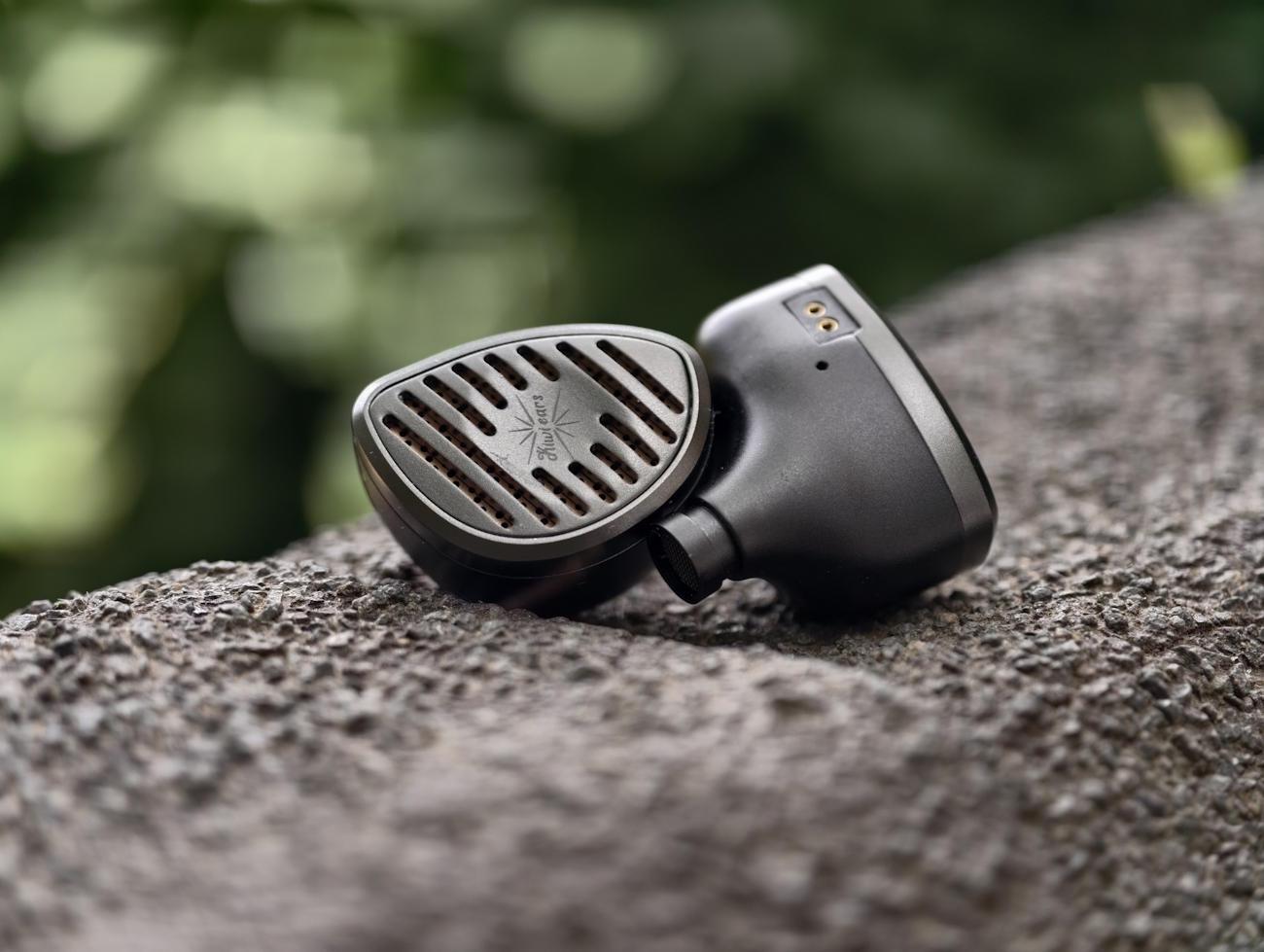
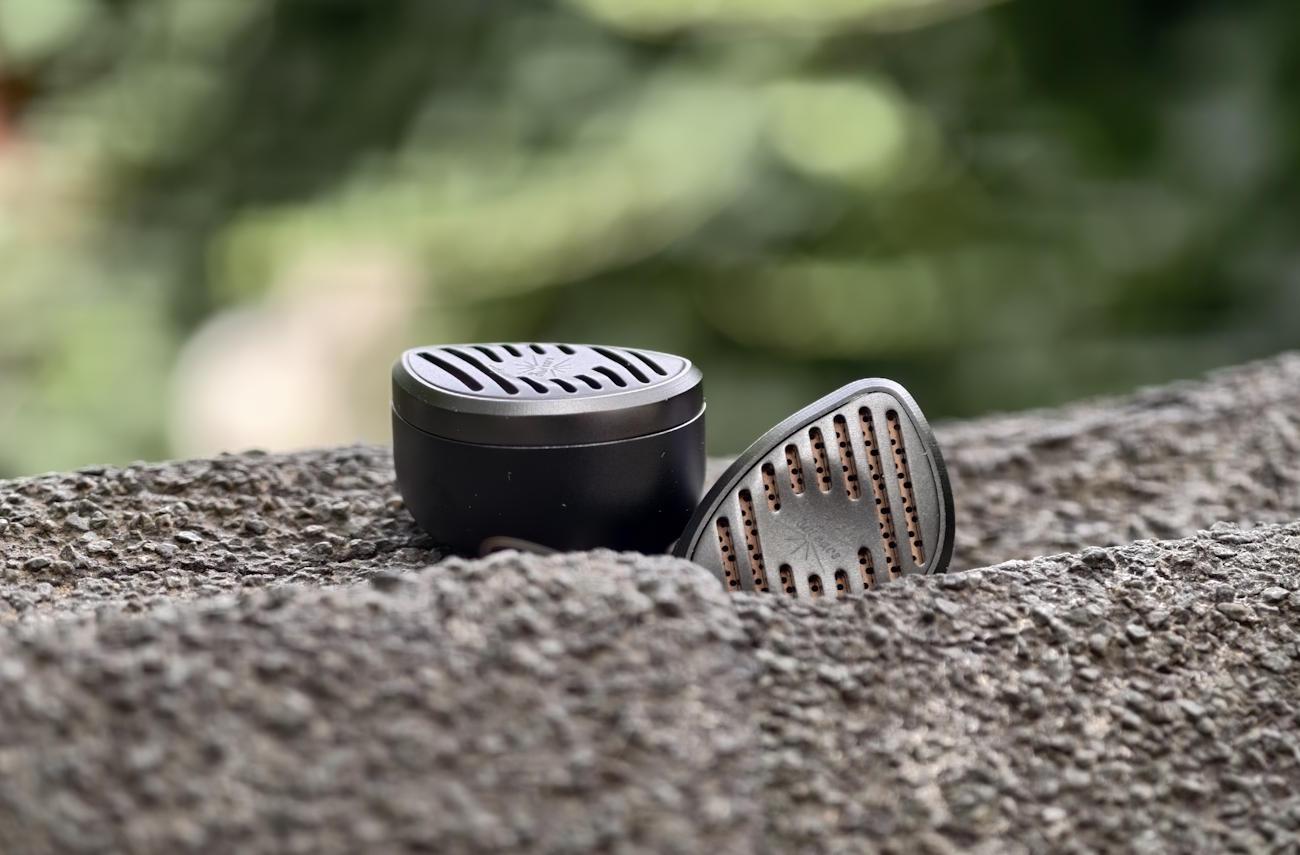
The Kiwi Ears Septet’s shell is made from medical-grade resin, which feels lightweight and durable. The shape is ergonomic and fits comfortably in the ear, making it easy to wear for long listening sessions. The metal faceplate has a subtle, elegant design that’s not flashy but definitely classy.
Accesories
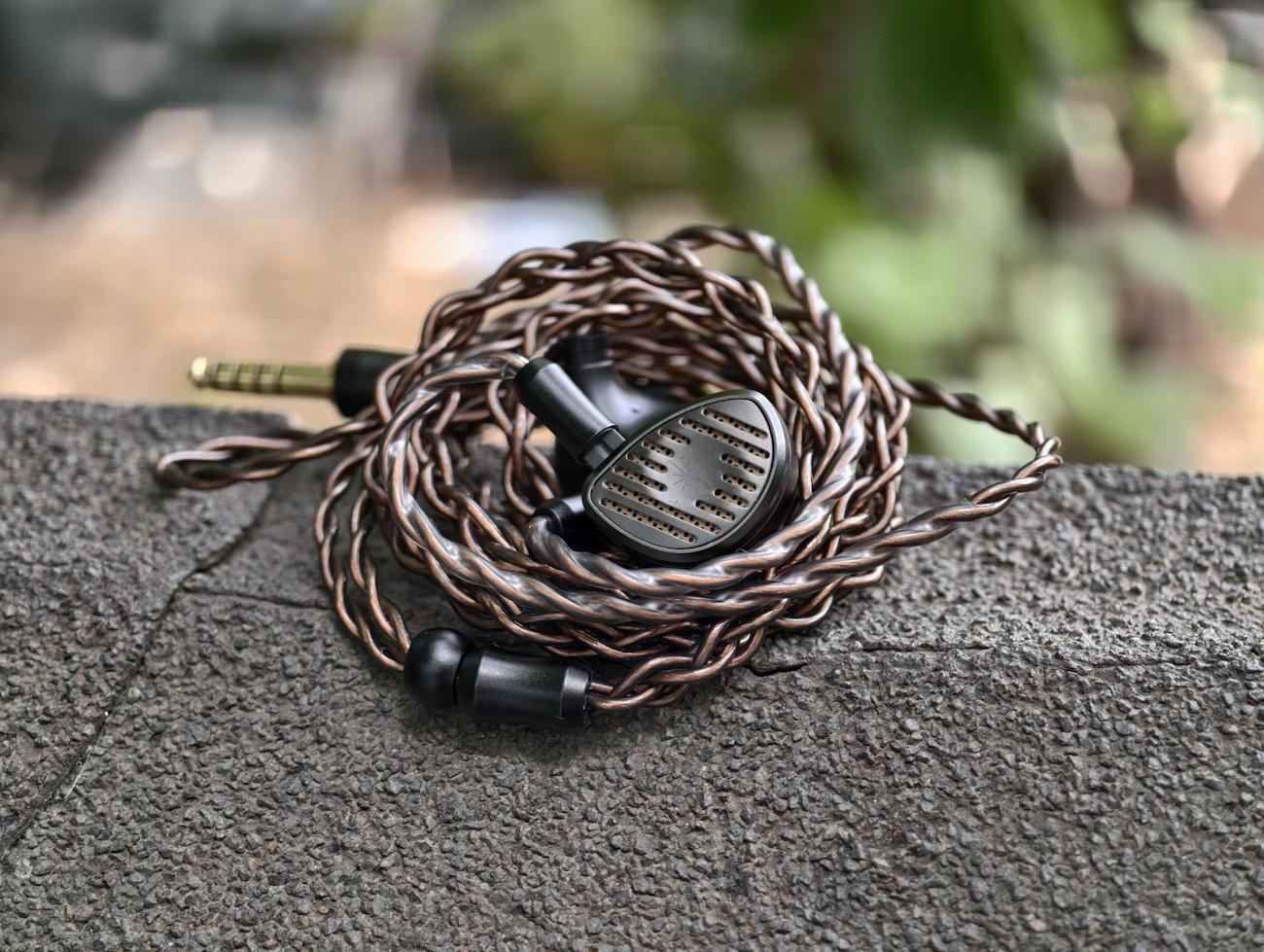
The Kiwi Ears Septet comes with a custom 5N OCC modular cable system, allowing users to quickly switch between 3.5mm unbalanced and 4.4mm balanced connectors to suit different audio setups. The cable itself is crafted from ultra-high-purity copper wires. The stock cable is soft, just the way I like it, and has a matching color with the IEMs, which is always welcome.
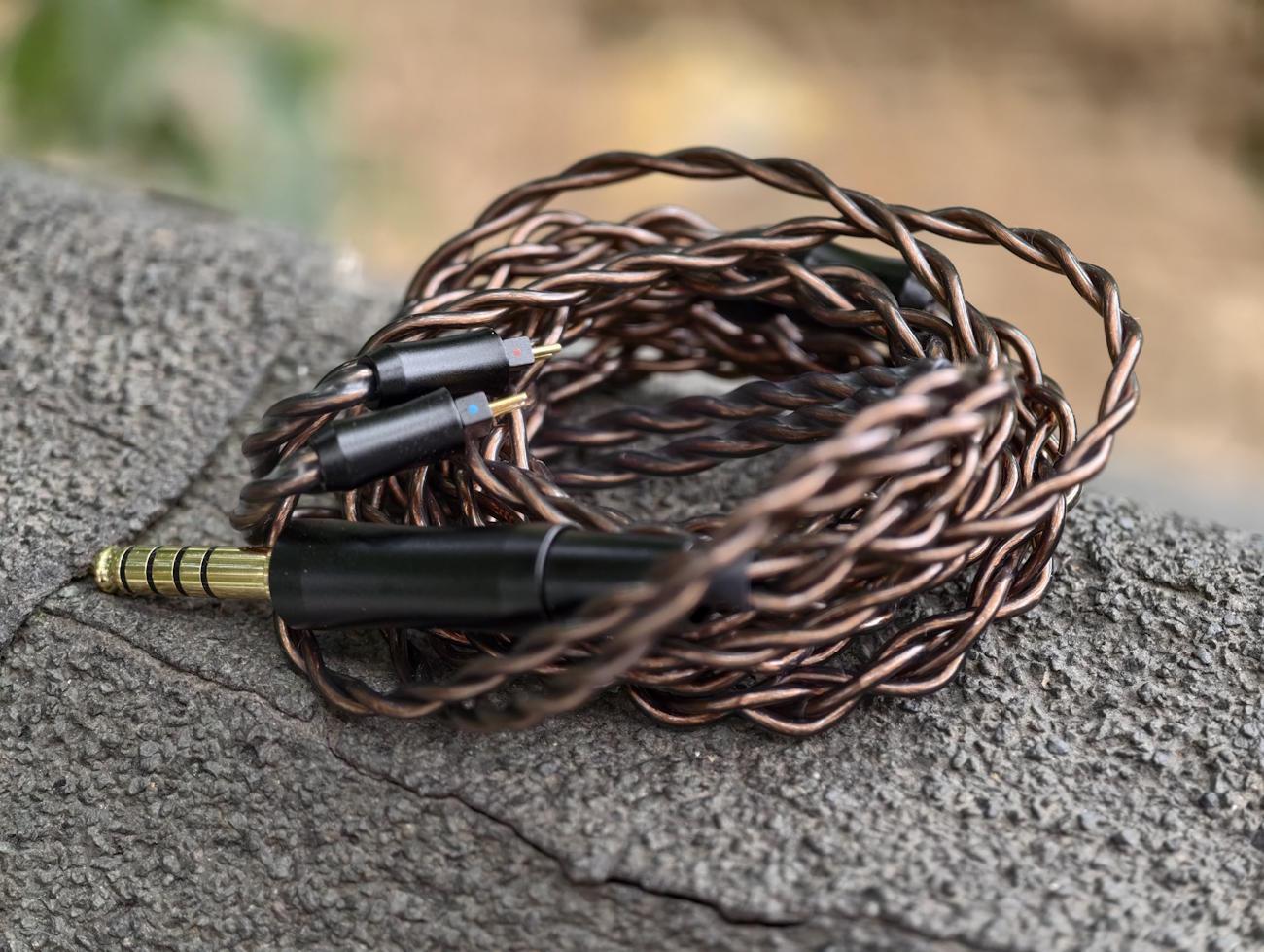
The Kiwi Ears Septet also comes with 3 pairs of wide-bore and 3 pairs of narrow-bore silicone ear tips. You can also find the generic Kiwi Ears carrying case in the box.
Features
- 7 Drivers with 4 Advanced Driver Types
- Powerful and Clean Sub-Bass with 10mm Dynamic Driver
- Ultra-Detailed Treble with Micro Planar and PZT Drivers
- Open-Back Design and 5-Way Crossover Network
Specs
- Driver Configuration: 10mm Dynamic Driver + 4 Balanced Armatures + 1 Micro-Planar + 1 PZT (Open Back IEM)
- Crossover: 5-way crossover, 3 tuning tubes
- Rated Power: 5mW
- Maximum Power: 10mW
- Impedance: 15 Ohm (at 1kHz)
- Sensitivity: 95dB SPL/mW (at 1kHz)
- Frequency Response: 8Hz – 30kHz
- Total Harmonic Distortion: <1% (@1kHz)
- Cable: 5N OCC, 0.78mm 2Pin
- Cable Length: 1.2m ± 5cm
- Plug: 3.5mm & 4.4mm Interchangeable
Disclaimer: The Kiwi Ears Septet was kindly provided by Kiwi Ears for review.
Unboxing
- Kiwi Ears Septet x1
- Cable x1
- 4.4mm adapter x1
- Ear Tips x6
- Earphone Case x1
- Warranty Card x1
Sound Signature
The Kiwi Ears Septet represents a distinctive and captivating in-ear monitor (IEM). It is sure to satisfy individuals who appreciate an expansive soundstage and technical capabilities, even if it necessitates a trade-off in terms of naturalness. Additionally, it demands substantial driving power and requires a robust audio source to perform optimally.
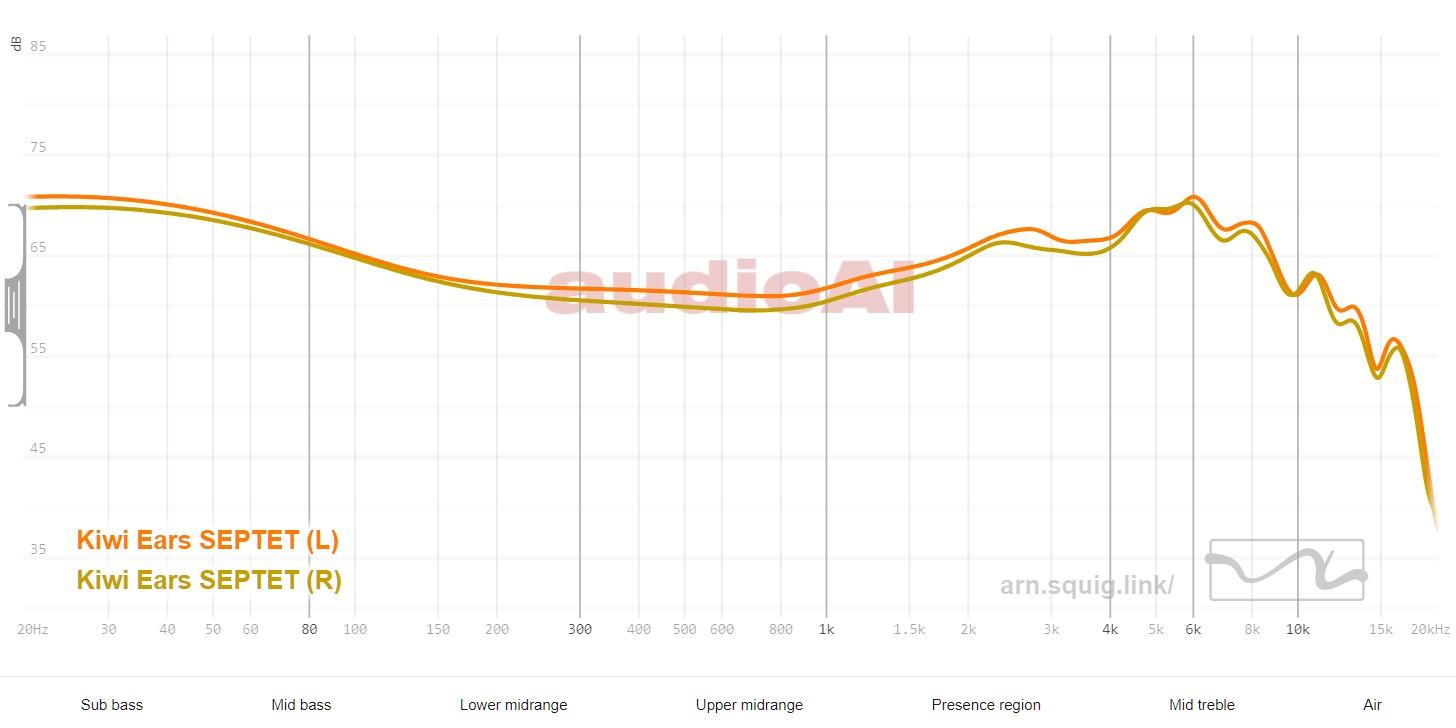
The frequency response graph shows a bass lift around 20-100 Hz, which explains the satisfying punch without boominess. The midrange sits mostly flat with a gentle presence boost around 2-3 kHz, enhancing vocal clarity and presence. The treble has a smooth roll-off after 10 kHz but with a small peak near 12-13 kHz, likely from the piezo driver, adding that extra sparkle.
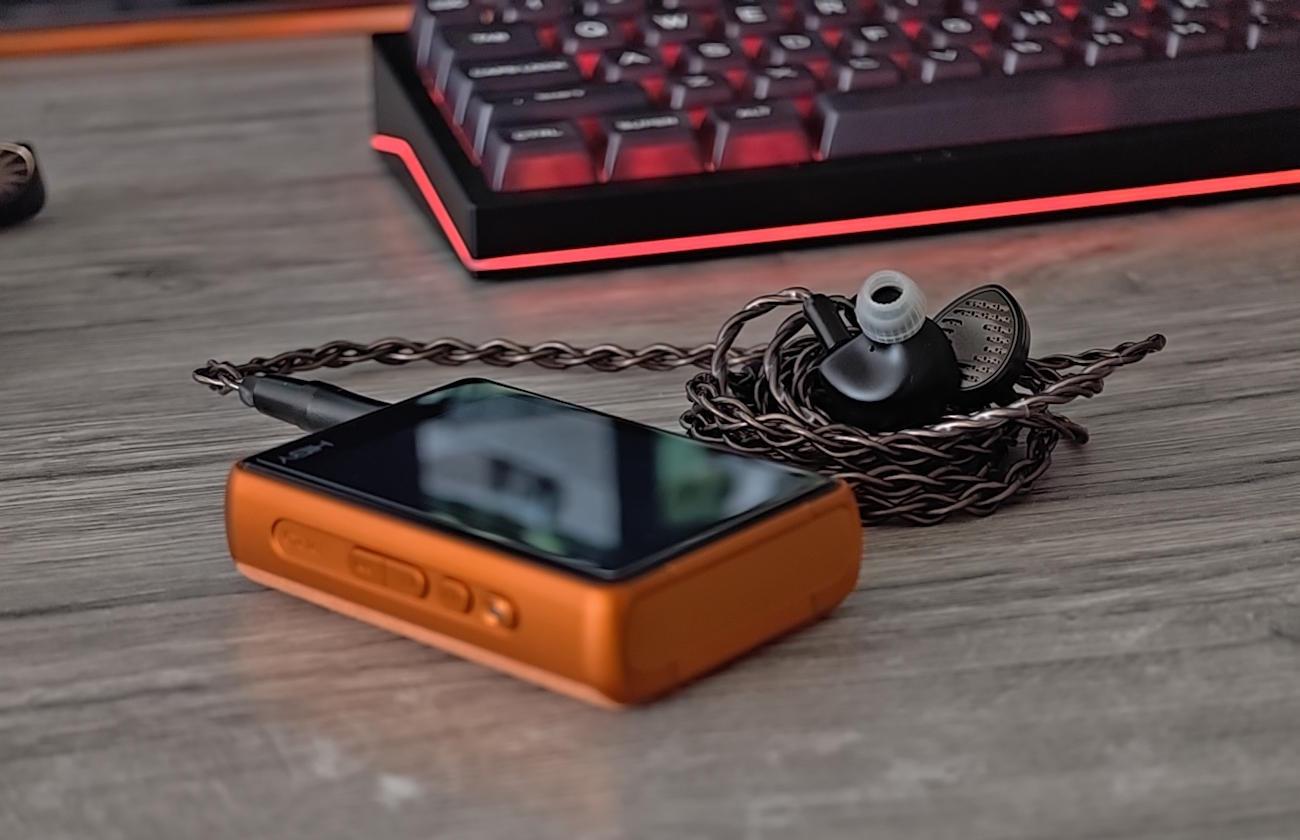
The Kiwi Ears Septet features a well-defined sub-bass shelf that transitions seamlessly into the low-mid and mids. This creates a natural sound that avoids any artificial coloring, providing a clear and balanced listening experience. The treble range is crisp and detailed, yet comfortably controlled, allowing for an extended high-end performance that remains smooth and free from harshness. Whether for casual listening or critical mixing, the Septet offers a balanced sound profile.
Lows
The bass here has some serious authority. That 10mm dynamic driver is doing its job, delivering a deep, satisfying rumble in the sub-bass that you can really feel. Listening to tracks with deep electronic basslines, the Septet provides a physical, tactile sensation without sounding slow or bloated.
The mid-bass is punchy and clean, but it knows when to get out of the way. It doesn’t bleed into the mids, which is key. It’s a powerful, well-controlled bass that lays a solid foundation for the music.
Mids
This is where the four balanced armatures really shine. The midrange has a slight warmth that adds body and richness to voices and instruments, making them sound engaging and lifelike. The layering is quite good, allowing you to pick out details easily.
Vocals, especially female vocals, are pushed right to the forefront. They sound incredibly clear, intimate, and articulate. The same goes for electric guitars and snare drums—they have a sharp, defined edge. This tuning creates a fantastic sense of separation and clarity. The downside? If you love hearing every little nuance in a vocal performance, the Septet delivers in spades.
Treble
With both a planar and a piezoelectric driver handling the highs, I was expecting a lot of detail, and the Kiwi Ears Septet doesn’t disappoint. The treble is crisp and well-extended. You get that nice shimmer on cymbals and a good sense of air and space around instruments. It does a great job of extracting micro-details from the mix without sounding harsh or sibilant, which is a tough balancing act. It adds to that overall energetic and lively presentation.
The upper mids and lower treble are smooth and well-extended, providing a nice sense of air and sparkle. The piezo driver adds a touch of brightness and shimmer in the very high frequencies, but it’s not aggressive or fatiguing. The treble is detailed but remains smooth, which helps avoid listener fatigue during long sessions.
The treble isn’t thin or overly sharp—it’s just presented more forward in the mix relative to the mids and bass. There’s no noticeable sibilance or harshness, and despite its bold character, it’s a technically impressive treble overall.
Soundstage & Imaging
The Kiwi Ears Septet impresses with a spacious soundstage that feels open and airy. The imaging is precise, with good instrument separation and placement. The layering holds up well even in complex tracks, giving a sense of depth and space that pulls you into the music.
The soundstage is respectably wide, thanks to the open-back design. And thanks to that clean tuning and multi-driver setup, placing instruments in the mix is effortless. You can pinpoint exactly where every sound is coming from. It creates a very precise and well-organized soundscape.
Sum-Up
The Kiwi Ears Septet is a bold and mostly successful attempt at a quadbrid IEM. The combination of dynamic, balanced armature, micro planar, and piezo drivers creates a sound that’s detailed, balanced, and engaging. It’s especially strong in the midrange and treble, with a bass that supports without overpowering.
If you’re looking for an IEM that offers a spacious soundstage, clear vocals, and a detailed treble, the Kiwi Ears Septet is definitely worth your attention. For $269, it delivers a unique and enjoyable listening experience that stands out in a crowded market.