
Kiwi Ears Belle Review – Best IEM for $30?
The new Kiwi Ears Belle is built around a single 10mm dynamic driver featuring a Diamond-Like Carbon (DLC) diaphragm. This specific material is utilized for its rigidity and responsiveness, which helps the driver achieve a total harmonic distortion level of less than 0.1% at 1 kHz. From a technical standpoint, the goal of using a single DLC driver is to ensure a linear phase response and a cohesive sound that avoids the timing issues sometimes found in multi-driver setups.
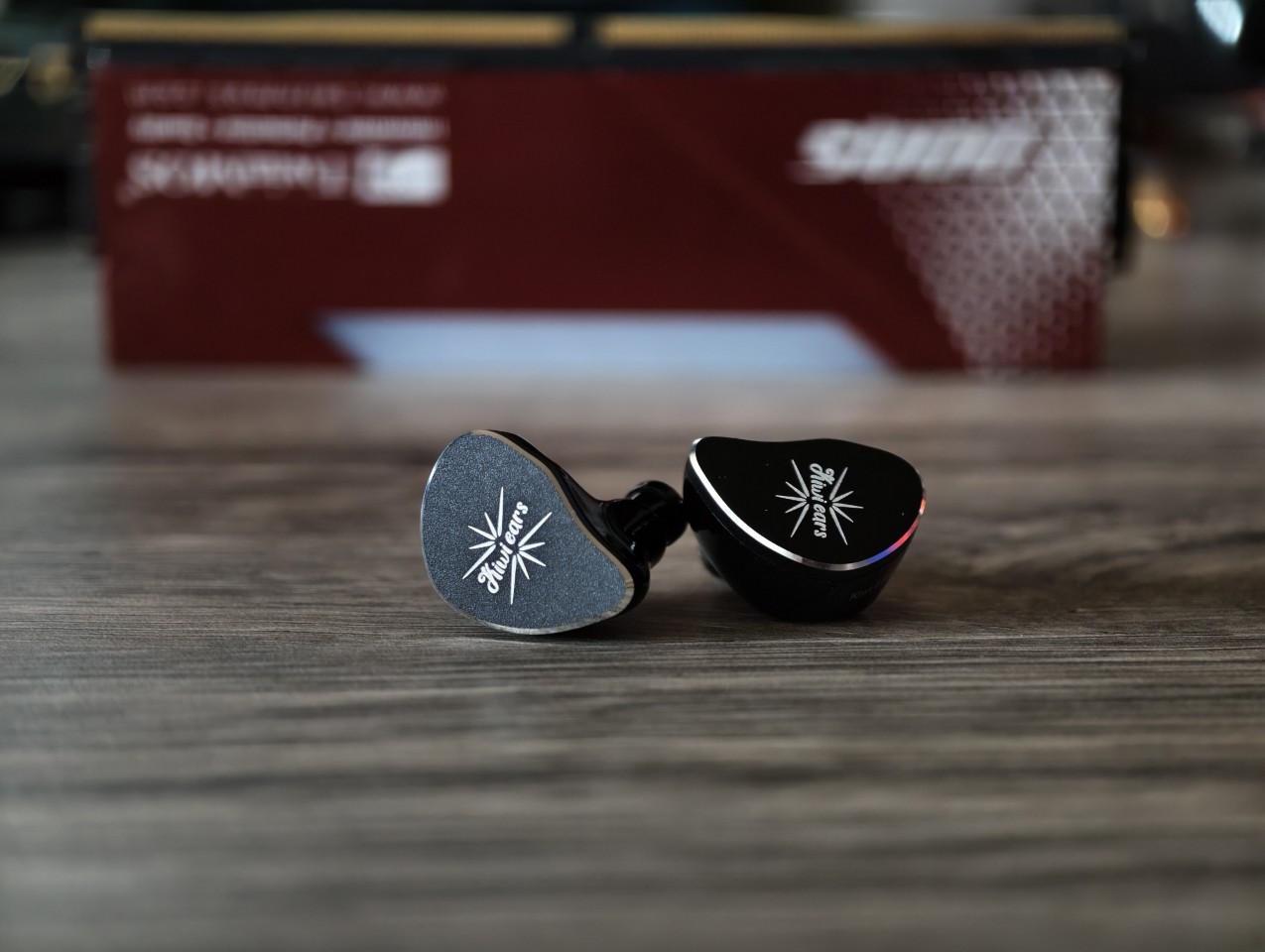
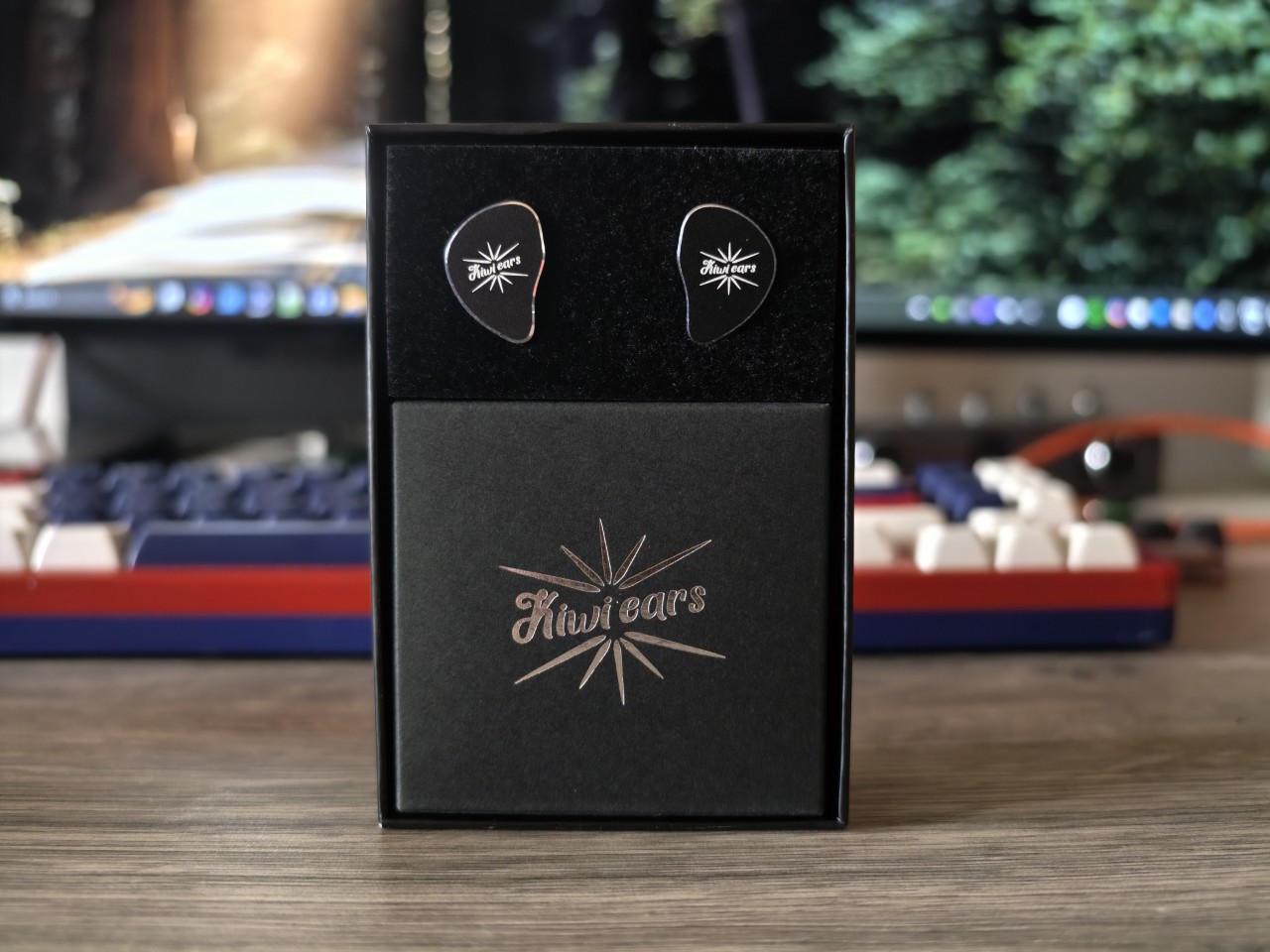
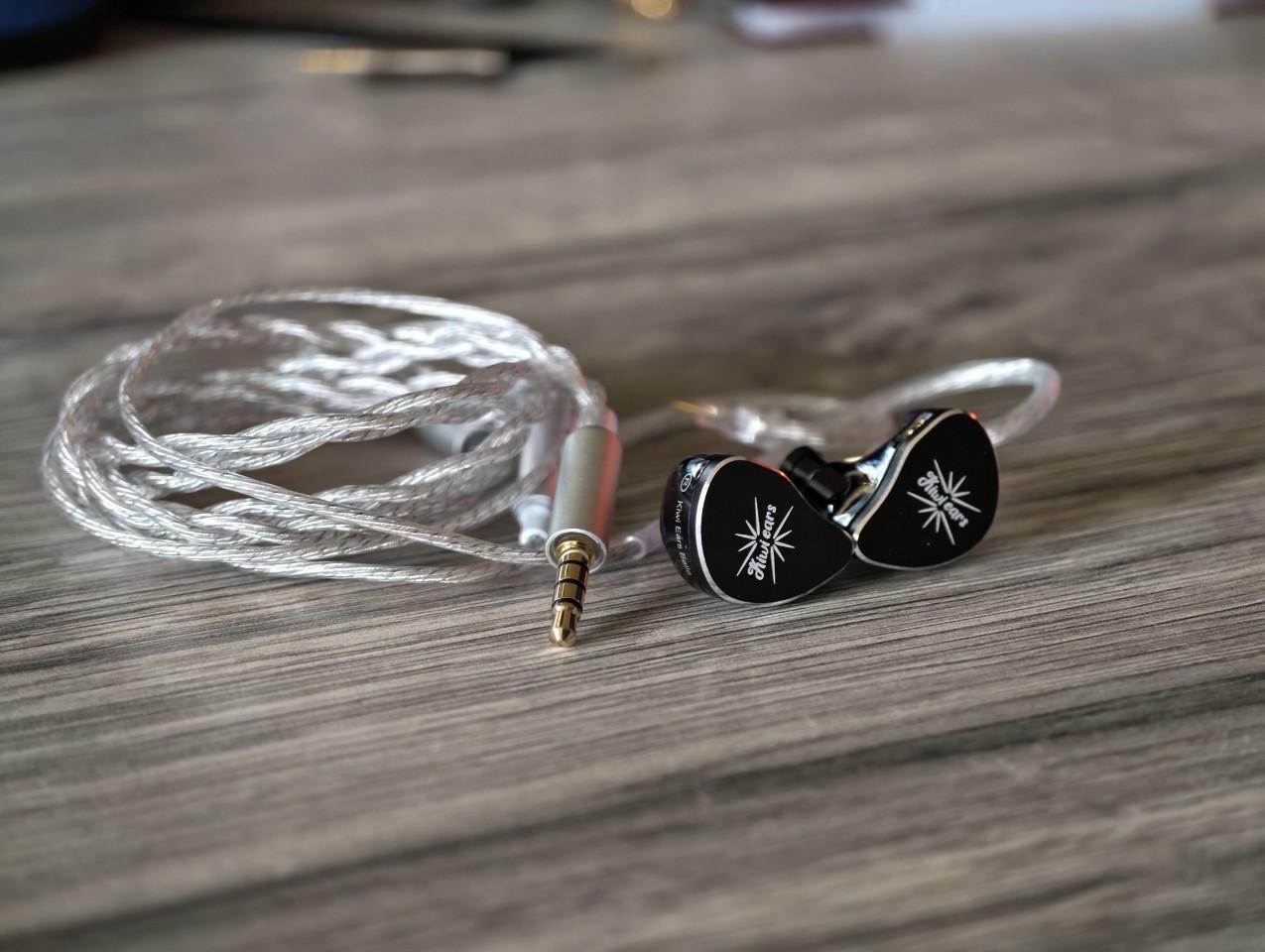
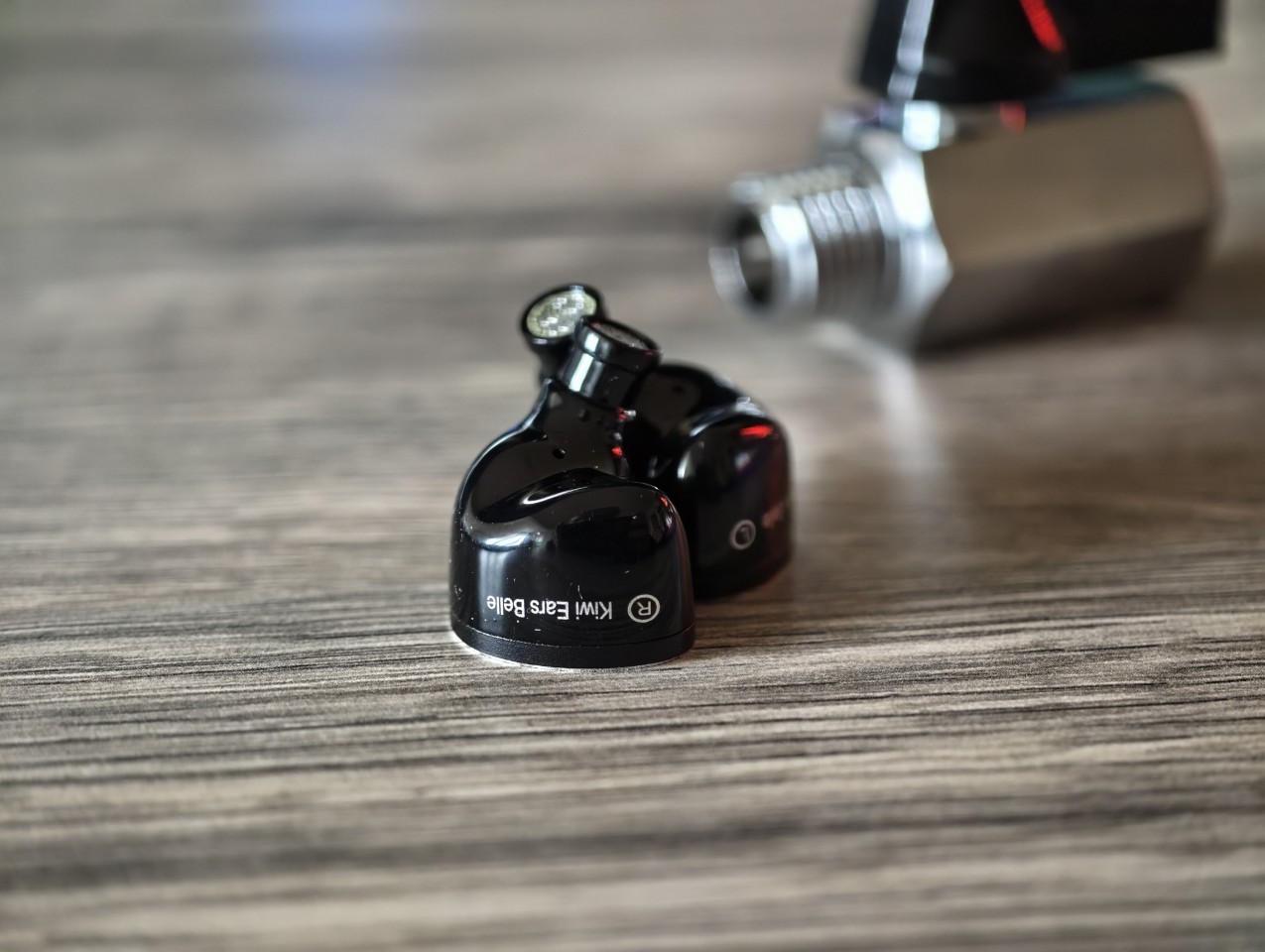
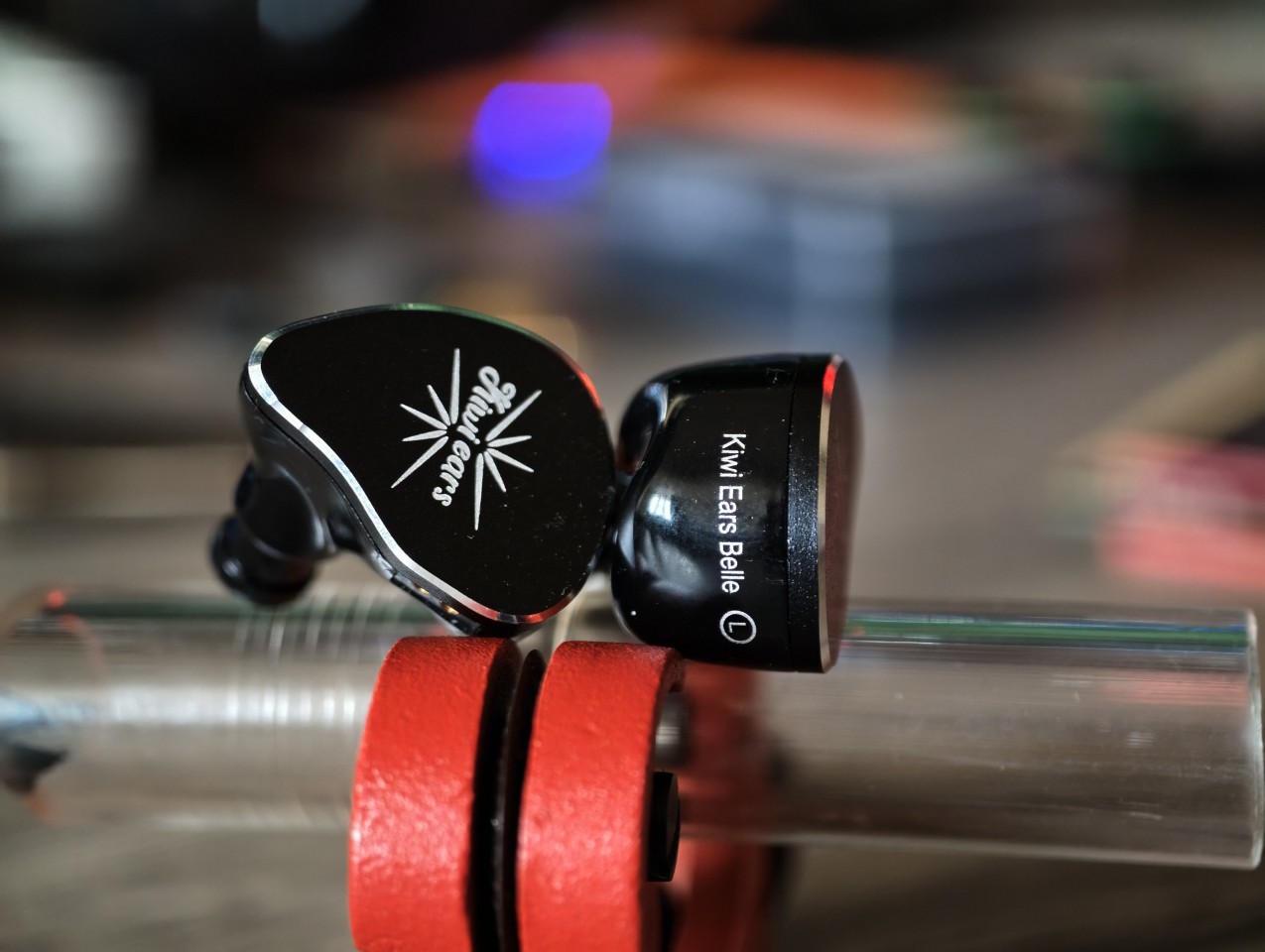
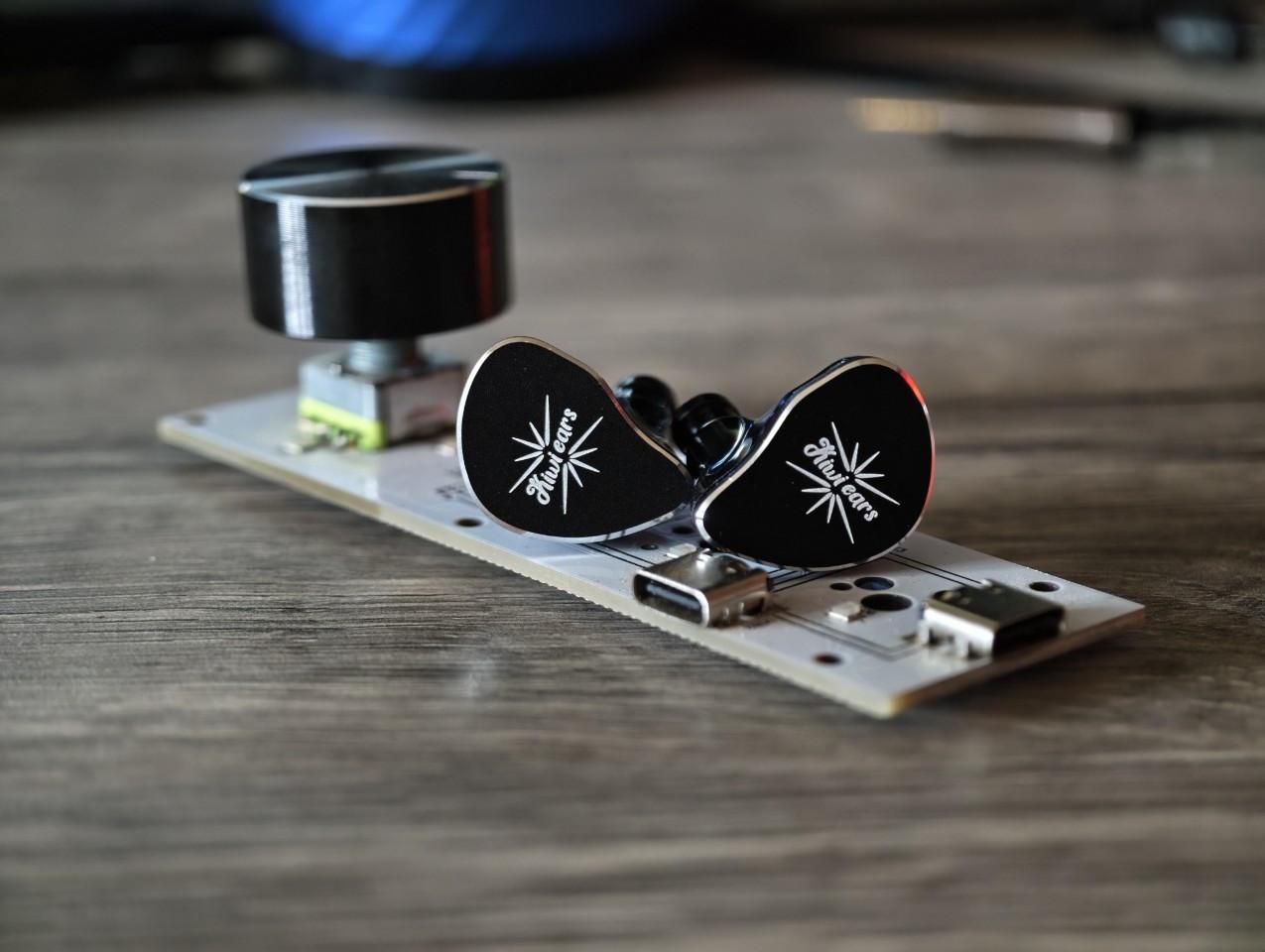
In terms of construction, the IEM features CNC-machined metal faceplates, which provide more durability than standard resin shells. To ensure consistent performance between the left and right sides, the brand individually measures and acoustically matches each pair of drivers during a hand-assembly process. The physical design is kept lightweight to accommodate long-term wear during daily activities like commuting or gaming.
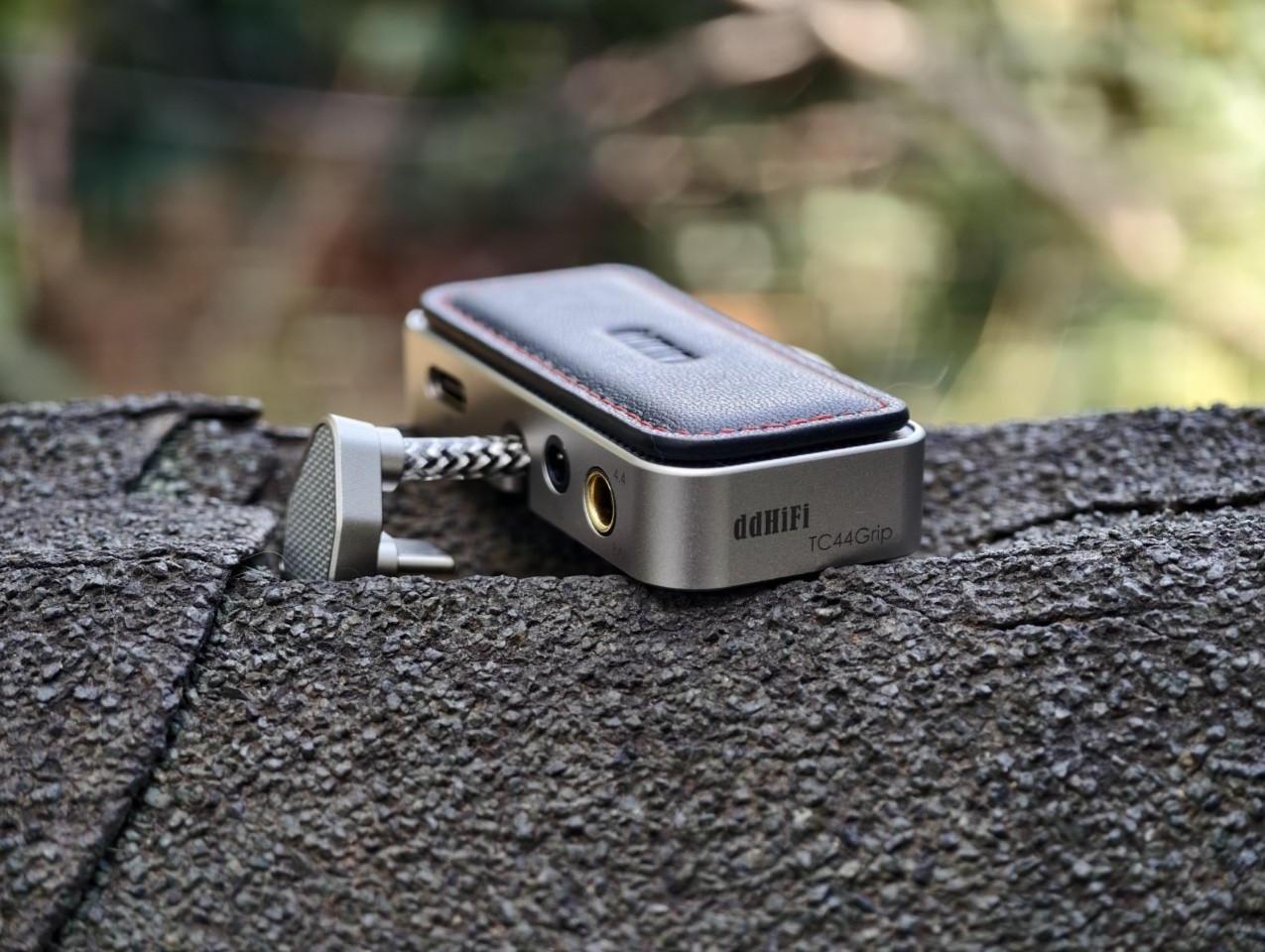
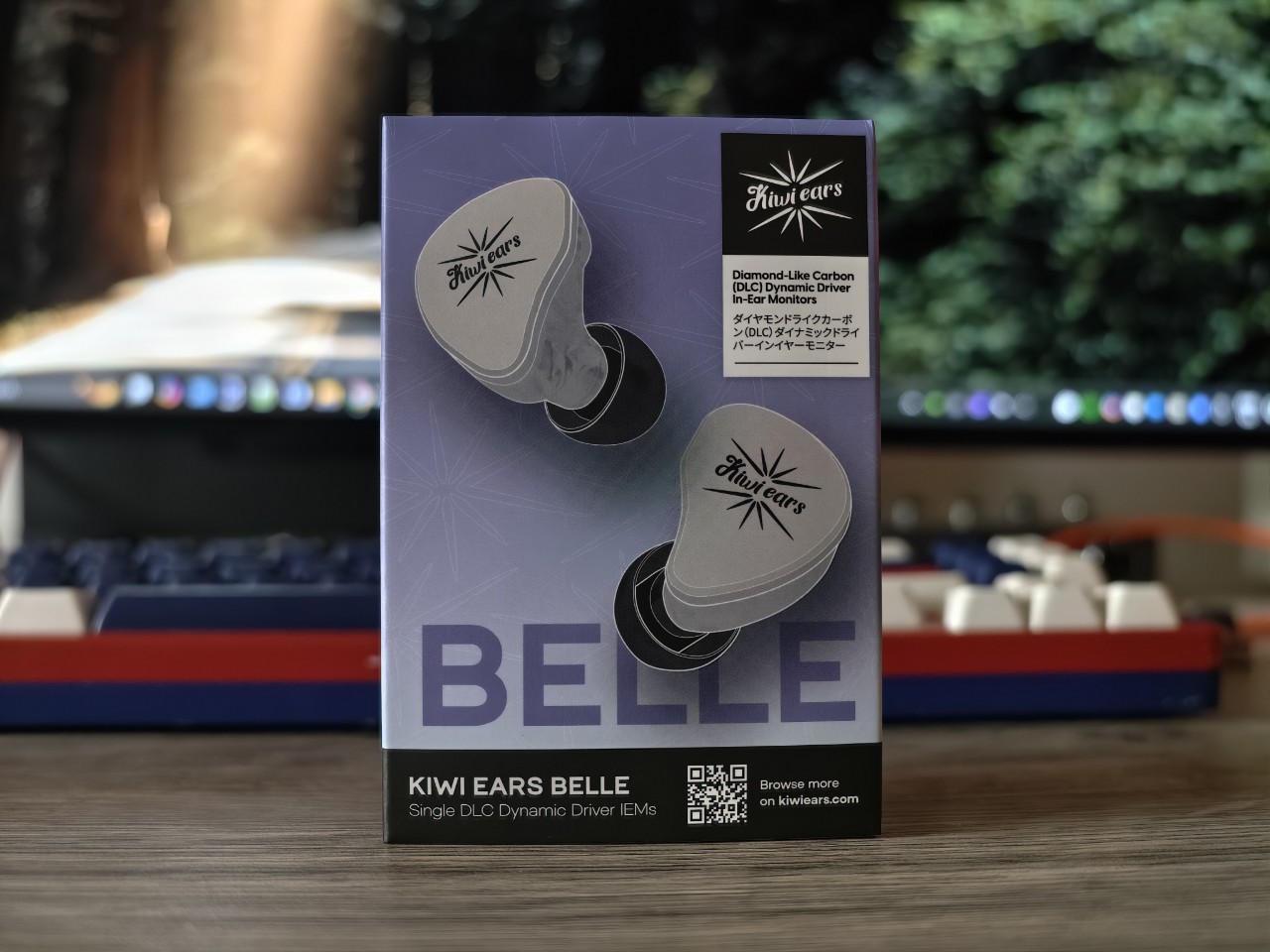
The package is designed for modern versatility, offering both a traditional 3.5mm cable and a USB-C option. This dual-connection approach allows the IEM to be used across a variety of devices, from dedicated audio players to smartphones, without the need for external dongles. While the build is robust enough for professional use cases, the inclusion of these accessories and the focus on comfort position it primarily as a reliable, high-fidelity daily driver for a wide range of listeners.
Specs
| Driver | 10mm Dynamic Driver (DLC Diaphragm) |
| Impedance | 32Ω (±1Ω) |
| Sensitivity | 103dB (±1dB) @ 1kHz |
| Frequency Response | 20Hz – 20kHz |
| THD | < 0.1% |
| Cable | Detachable 2-core Silver-Plated Copper |
| Connector Options | USB-C / 3.5mm |
| Mic | Yes |
| Included Accessories | 6 pairs of eartips, Warranty card, Cable, Wearing diagram |
- Price: $30
Disclaimer: The Kiwi Ears belle was kindly provided by Kiwi Ears for review
Sound
Lows
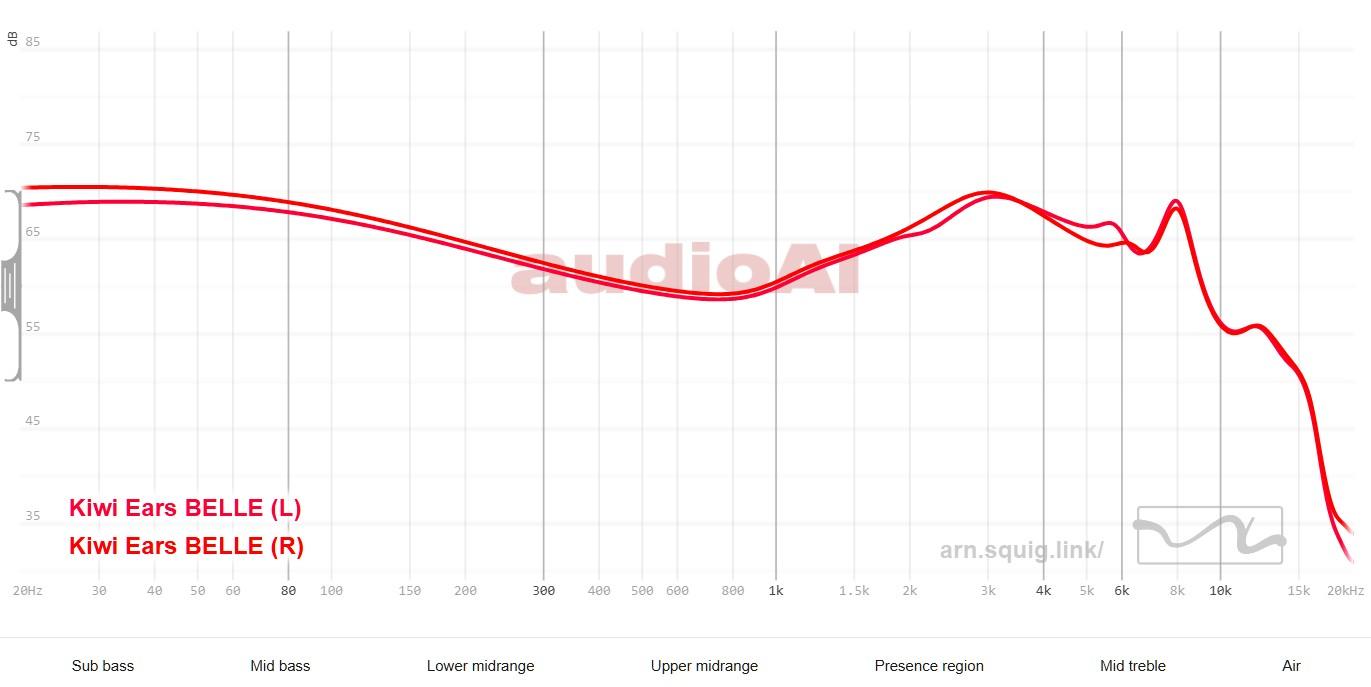
The low end of the Belle is characterized by a significant boost that provides a heavy, authoritative foundation for the music. This elevation is most prominent in the sub-bass and mid-bass regions, delivering a satisfying sense of “slam” and physical impact that works exceptionally well for bass-heavy genres like hip-hop and EDM.
The single dynamic driver offers a natural decay and good texture, though, because the bass shelf is quite substantial, there is some warmth that carries over into the lower midrange. While some listeners might find it slightly “muddy” on complex tracks, it generally provides a lush, thick atmosphere that adds body to the overall presentation.
Mids
The midrange performance is defined by its warmth and vocal-centric focus. Due to the carryover from the bass, male vocals and lower-register instruments have a rich, full-bodied resonance that avoids sounding thin or clinical. There is a gentle recession in the center of the midrange, creating a slight “U-shaped” character that gives the stage a bit of depth.
To balance the heavy low-end, the Belle features a precisely tuned “pinna peak” in the upper midrange. This elevation brings female vocals and the “bite” of instruments forward, ensuring they remain clear and present despite the powerful bass. This results in an intimate presentation that is engaging for vocal-centric and acoustic music.
Treble
The treble response takes a more relaxed and non-fatiguing approach. Rather than having sharp, aggressive peaks that might cause piercing discomfort, the Belle follows a natural curvature that gently rolls off. This “polite” tuning is ideal for long listening sessions and for those who are sensitive to high-frequency harshness or sibilance.
While it retrieves enough detail to highlight micro-nuances in a recording, it lacks the intense sparkle and extreme “airiness” found in more analytically tuned monitors. The treble focus is on smoothness and refinement, providing a clean extension that complements the warmth of the lower frequencies without ever becoming overbearing.
Technicalities
Technically, the Belle benefits from the inherent cohesiveness of a single dynamic driver design. Because one driver covers the entire frequency range, there is a seamless transition between the bass, mids, and highs, resulting in a very natural and “organic” timbre. The soundstage is described as more intimate than expansive, focusing on a sense of proximity and engagement rather than wide, clinical separation.
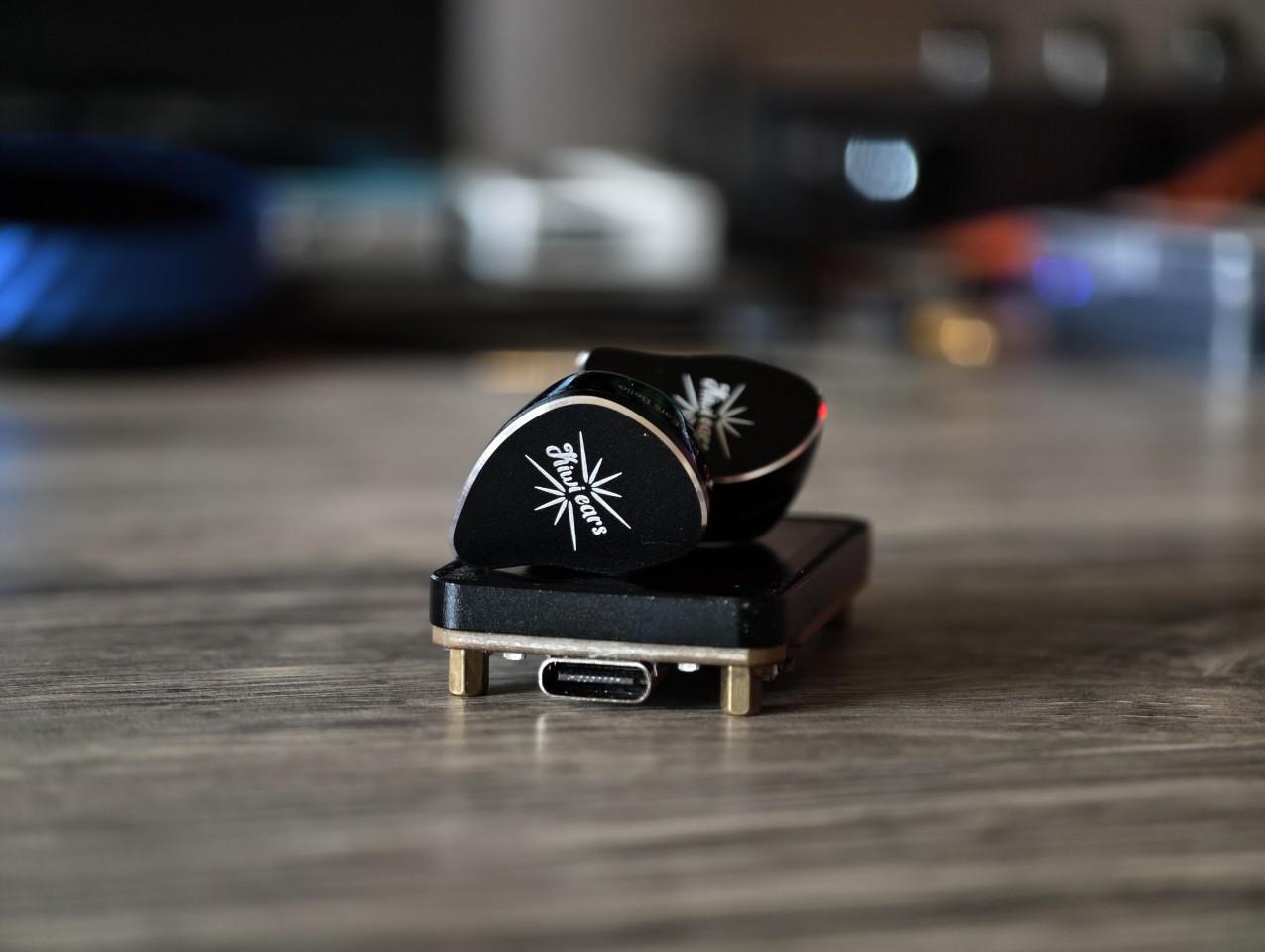
Despite being a budget-friendly IEM, its imaging and layering are respectable, allowing the listener to easily place instruments within the mix. It is a versatile performer that prioritizes musicality and a “fun” factor, making it a strong choice for everyday listening and immersive gaming.
Comparison vs FiiO JH13
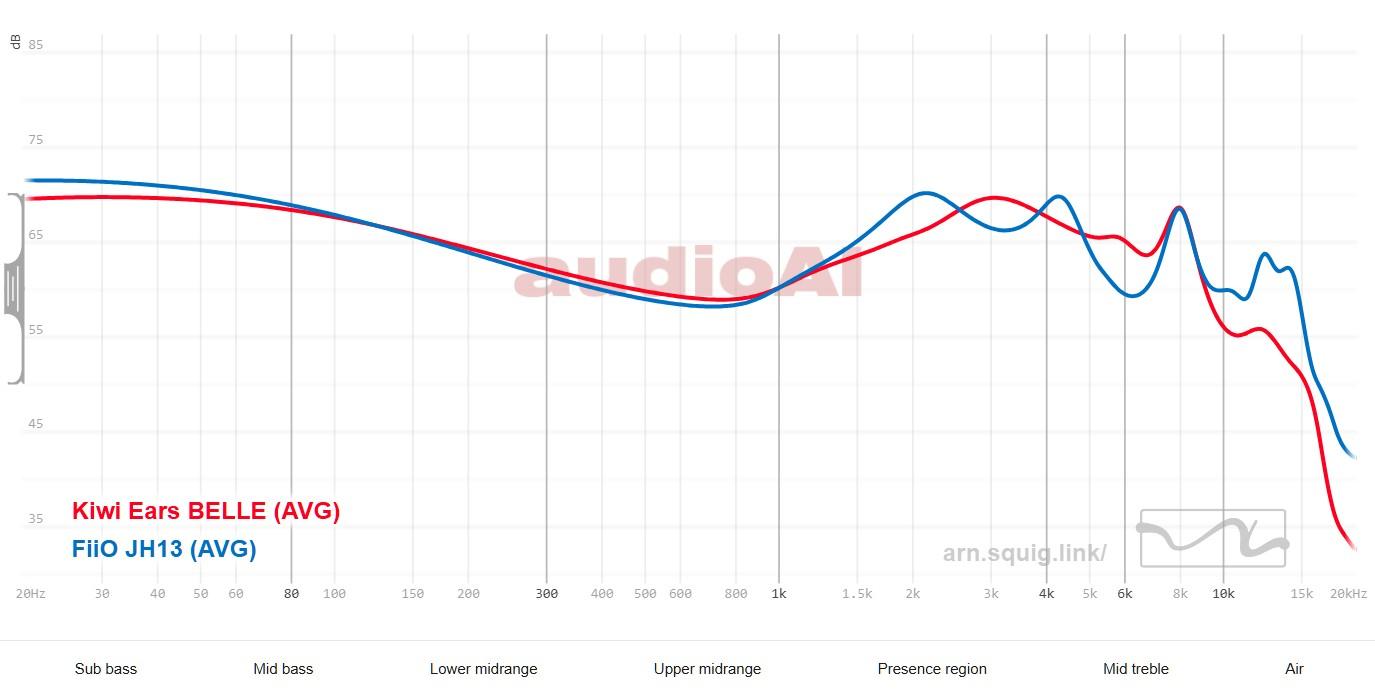
Looking at the graphs, both IEMs feature a prominent bass shelf, but the FiiO JH13 shows a broader and more aggressive elevation through the mid-bass. This creates a heavier sense of “slam” and physical impact, providing a thick, authoritative low-end that carries a lot of weight into the lower midrange. The Kiwi Ears Belle, meanwhile, has a more controlled and “tasteful” bass boost that peaks slightly earlier in the sub-bass before sloping down. While the Belle still provides deep, punchy rumble that is excellent for hip-hop, it is less “boomy” than the JH13, resulting in a cleaner transition that avoids the same level of bass-heavy coloration.

The midrange on the JH13 is defined by its hybrid nature, where the warmth from the dynamic driver meets the clarity of its balanced armatures. It features a steeper rise in the upper-midrange, which helps vocals and instruments stay prominent even against its heavy bass presence. In contrast, the Belle’s midrange is smoother and more cohesive, benefiting from the single DLC driver’s lack of a crossover. It uses a precisely placed pinna peak to ensure female vocals have clarity without becoming “shouty,” offering an intimate and organic vocal presentation that feels more unified than JH13’s separated layering.
The treble curves highlight a major difference in tuning philosophy. The JH13 utilizes its dual balanced armatures to create a more energetic and detailed high-end sound, with multiple peaks that add sparkle and “air” to the sound. It is a crisp presentation designed to retrieve micro-details, though it can feel more “artificial” compared to a dynamic driver. The Belle, on the other hand, follows a “polite” and non-fatiguing curvature. It rolls off more gently in the high frequencies, intentionally avoiding sharp peaks to prevent sibilance and harshness, making it much safer for long listening sessions at the expense of some top-end brilliance.
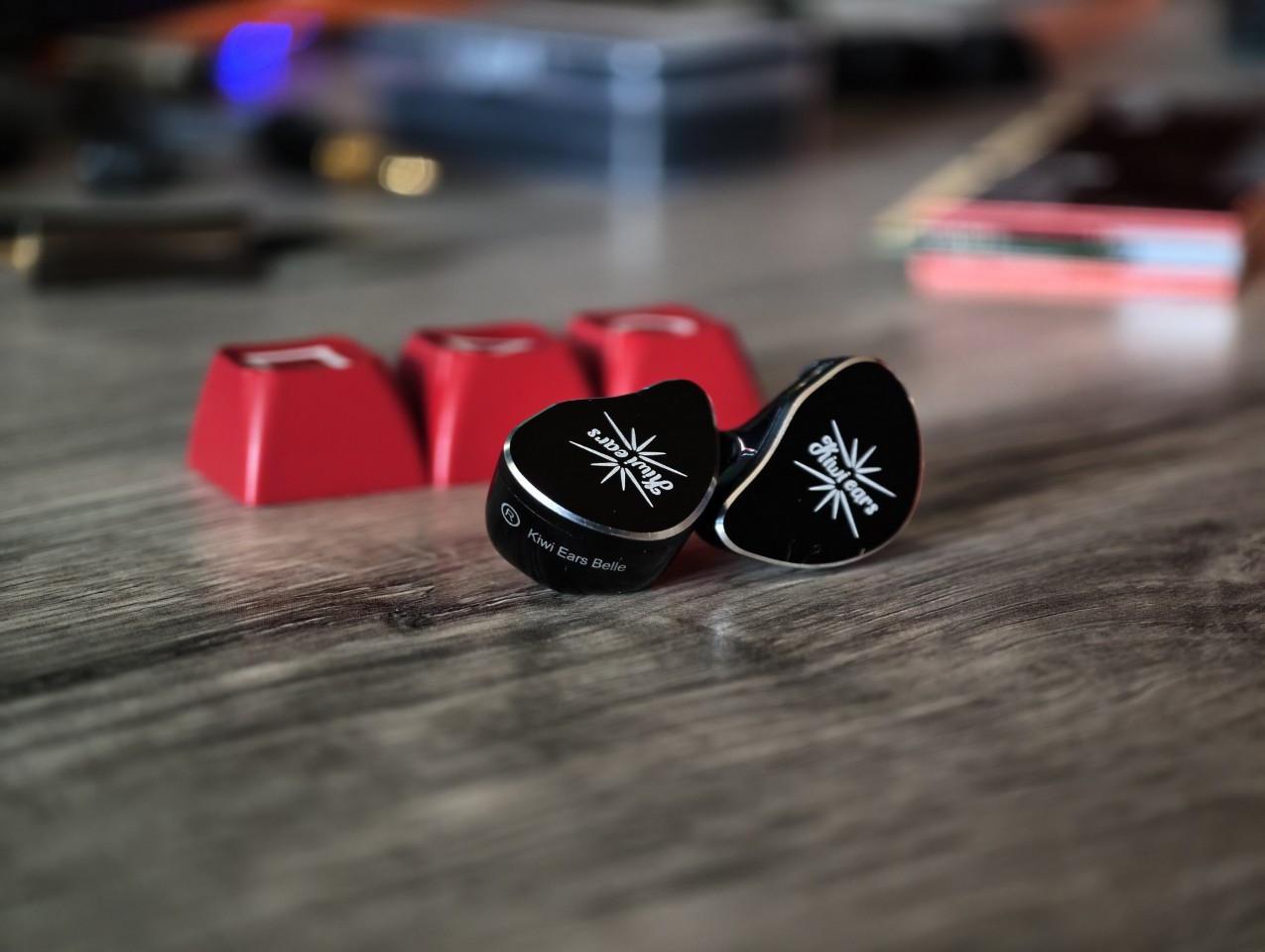
The FiiO JH13 is for the listener who wants a high-energy, “V-shaped” experience with an aggressive mid-bass punch and crisp, detailed highs, making it ideal for those who prioritize excitement and instrument separation in genres like rock or EDM. In contrast, the Kiwi Ears Belle is for the listener who prefers a smooth, cohesive, and non-fatiguing sound, offering a deeper sub-bass rumble and a relaxed treble that is perfect for long, comfortable sessions and vocal-centric music. While the JH13 excels at providing technical “bite” and a layered stage, the Belle is the better choice for someone seeking a natural, organic tone and a “polite” high-end that avoids any harshness.
Sum-Up
The Kiwi Ears Belle IEM is a perfect blend of musicality, technical accuracy, and everyday usability—making it an ideal upgrade for anyone seeking balanced, natural, and detailed sound on the go. It also looks sleek, has one of the best stock cables in this price range. An easy recommendation from me.