
Kiwi Ears x Z Reviews SERENE Review – The New King Of Budget Planar Headphones
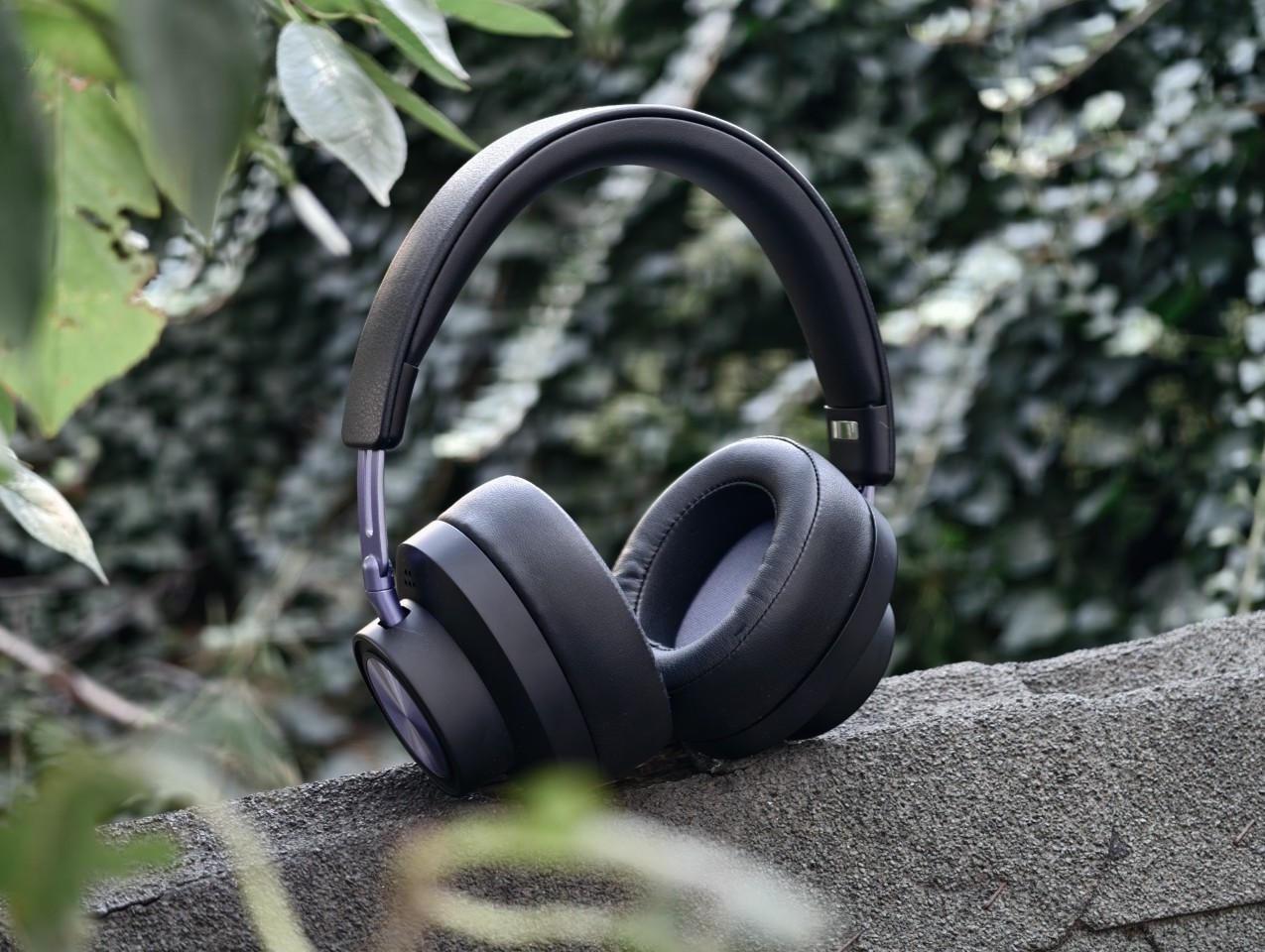
The Serene is a closed-back planar magnetic headphone developed in collaboration between Kiwi Ears and the content creator Z Reviews. It aims to bring the benefits of planar magnetic driver technology into a more practical, usable format for everyday listening environments, particularly a closed-back form factor. At its core lies a proprietary planar magnetic driver (72 mm × 89 mm) paired with a design that supports both comfort and versatility. The intent is not merely “a high-end headphone” but a premium performance headphone built with real-world use in mind.
To appreciate the significance of that goal, it is worth taking a brief look at the background of planar magnetic technology and how it has evolved across headphone design. Planar magnetic drivers trace their roots to the early days of headphone transducer experimentation. As early as the 1970s, manufacturers such as Yamaha and Fostex developed so-called “orthodynamic” or planar magnetic headphones, using thin-film diaphragms driven in large magnetic fields.
Over time, planar drivers came to be associated with lower distortion, rapid transient response, and a more uniform force across the diaphragm surface than many typical dynamic drivers. These advantages made them attractive for high-fidelity listening and studio monitoring.
Yet the technology has also presented challenges: efficiency (they often require more current), weight, driver size, and enclosure design (especially with closed-back versions) all complicate integration. Open-back planar headphones became the dominant form for audiophile models because they allowed freer driver motion and broader soundstages.
Closed-back planar designs have therefore been less common and often more expensive or bulky. Against that historical backdrop, the Serene’s ambition is noteworthy: a planar driver, closed-back format, and price-accessible design. The question is whether it fulfils the promise in sound quality, build, comfort, and usability.
Build Quality & Ergonomics
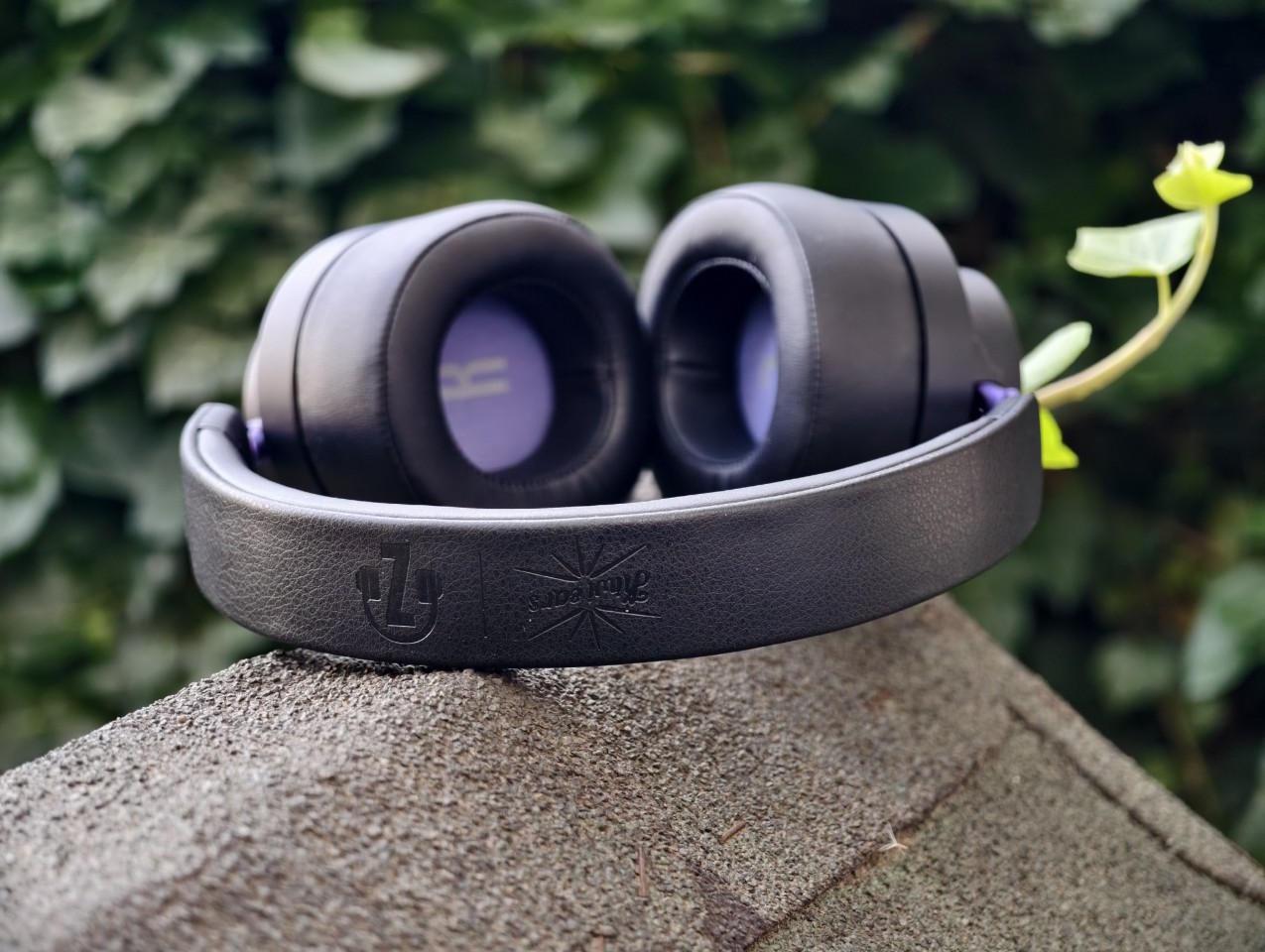
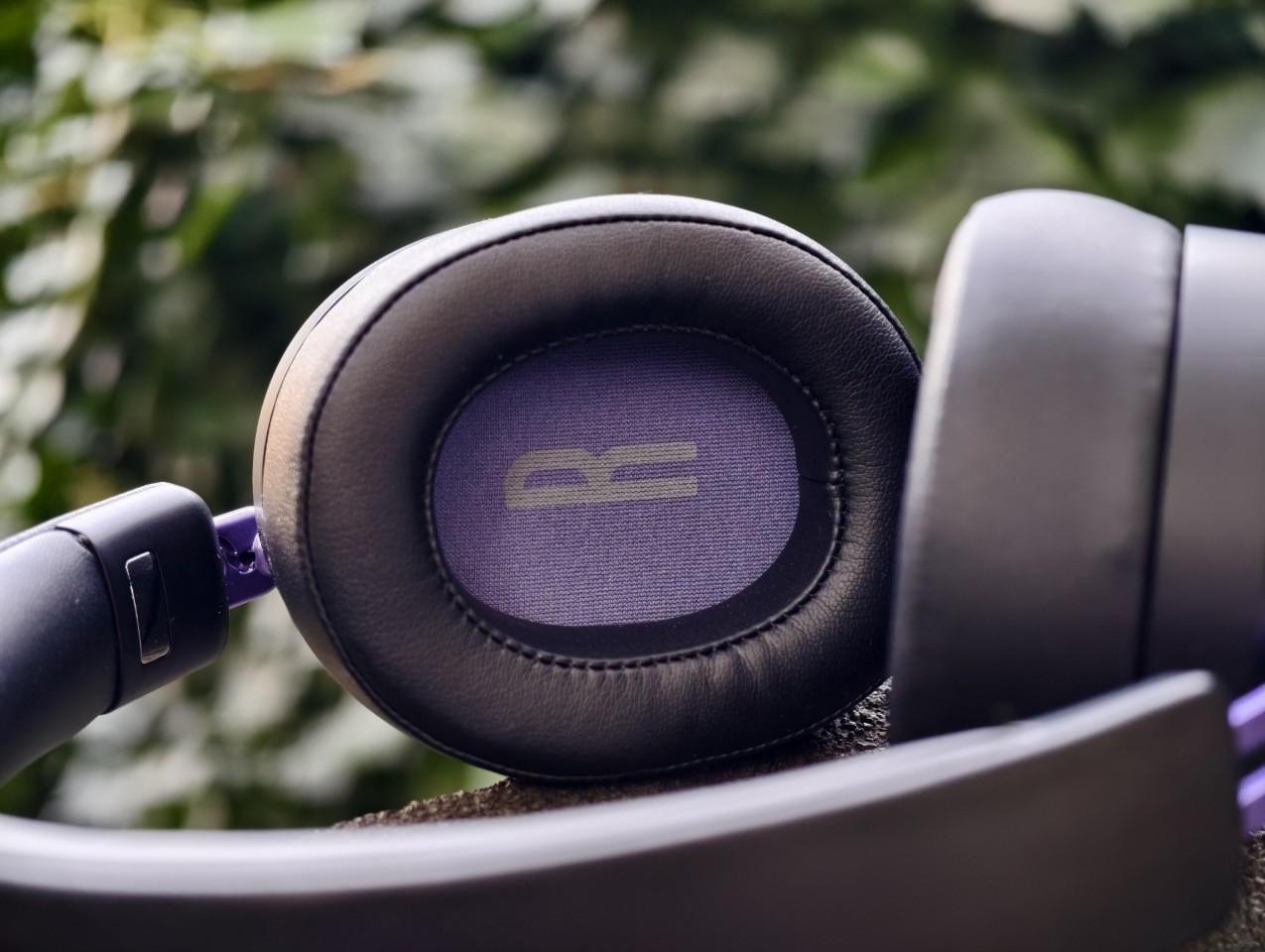
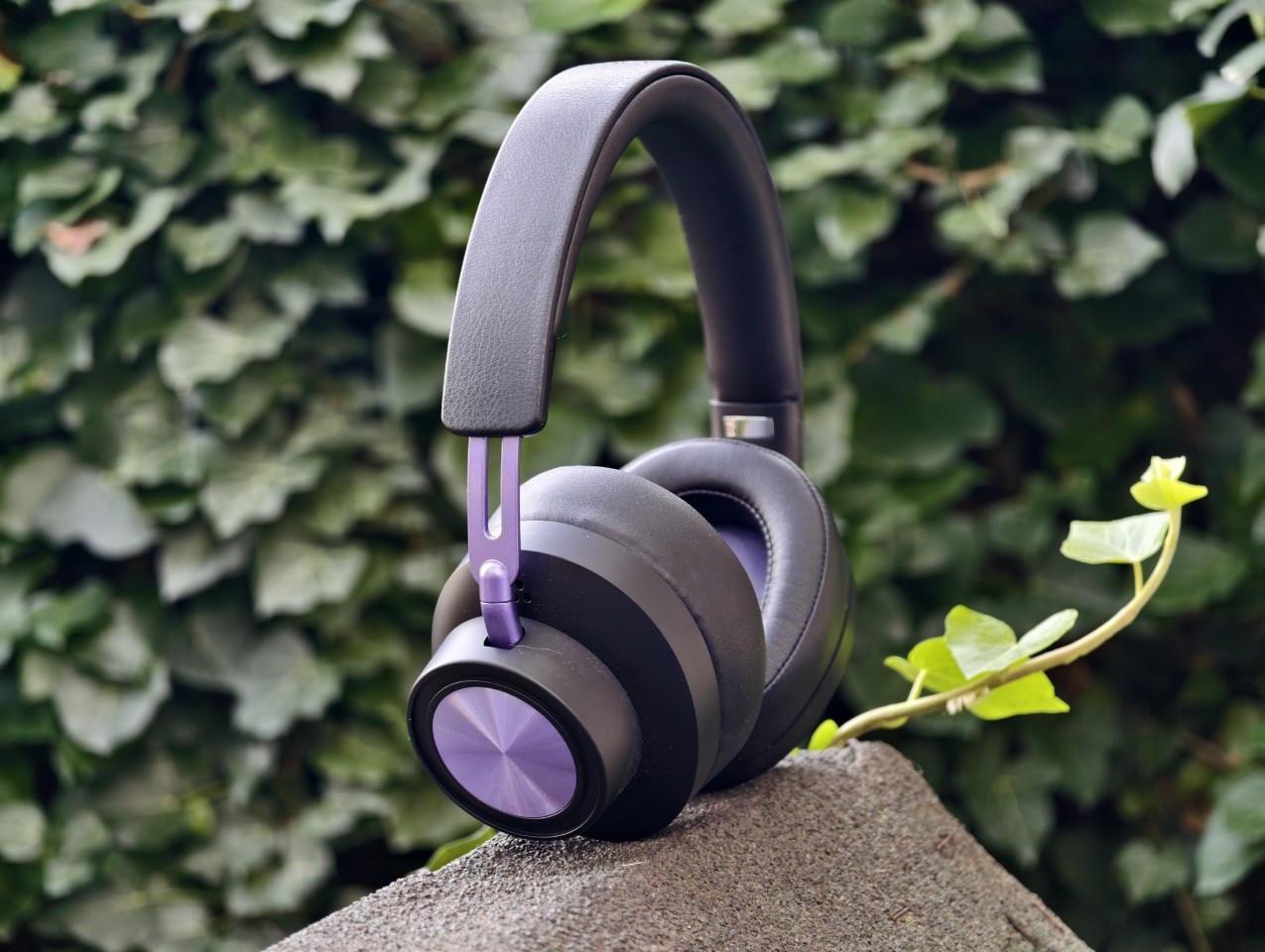
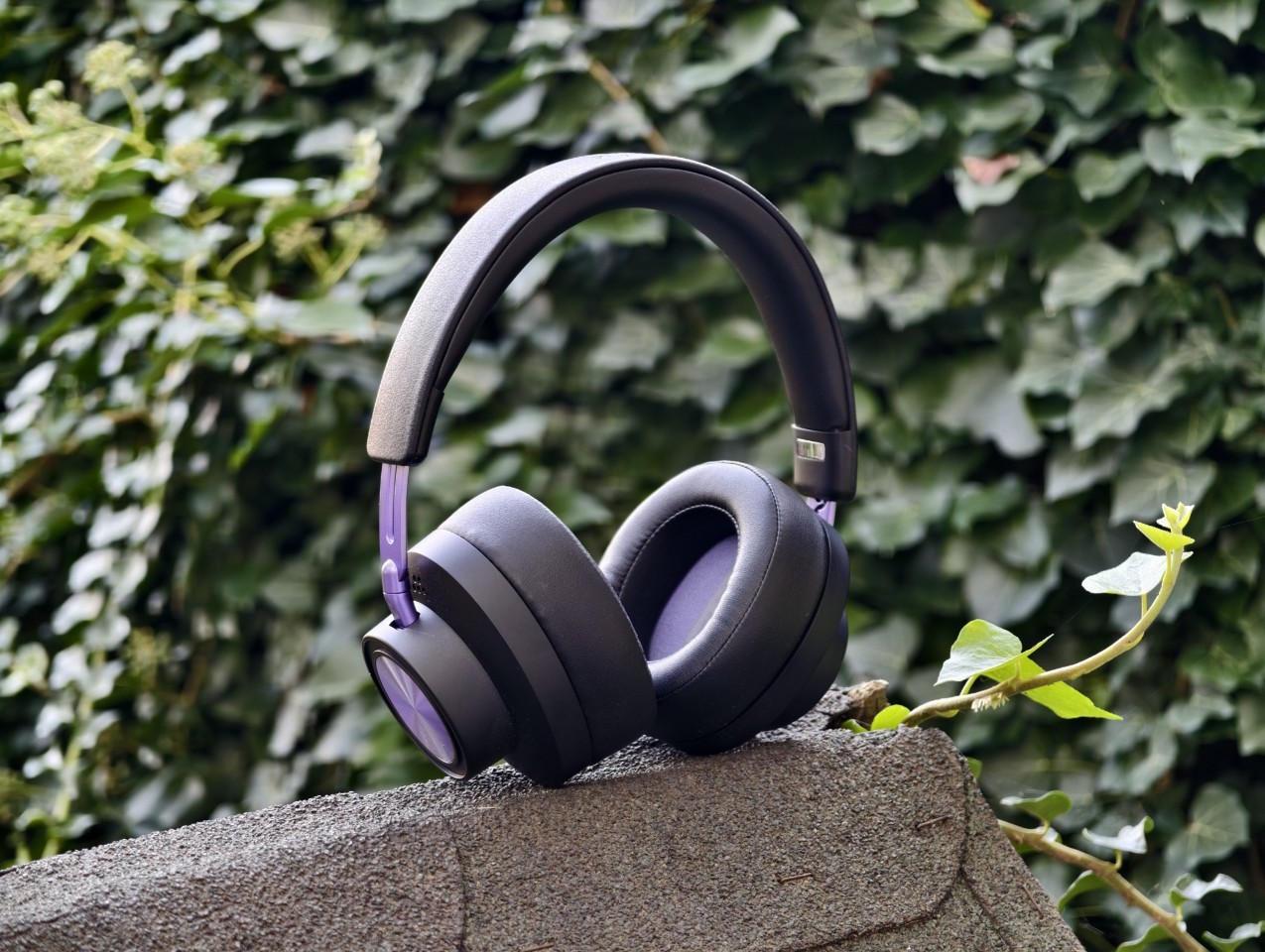
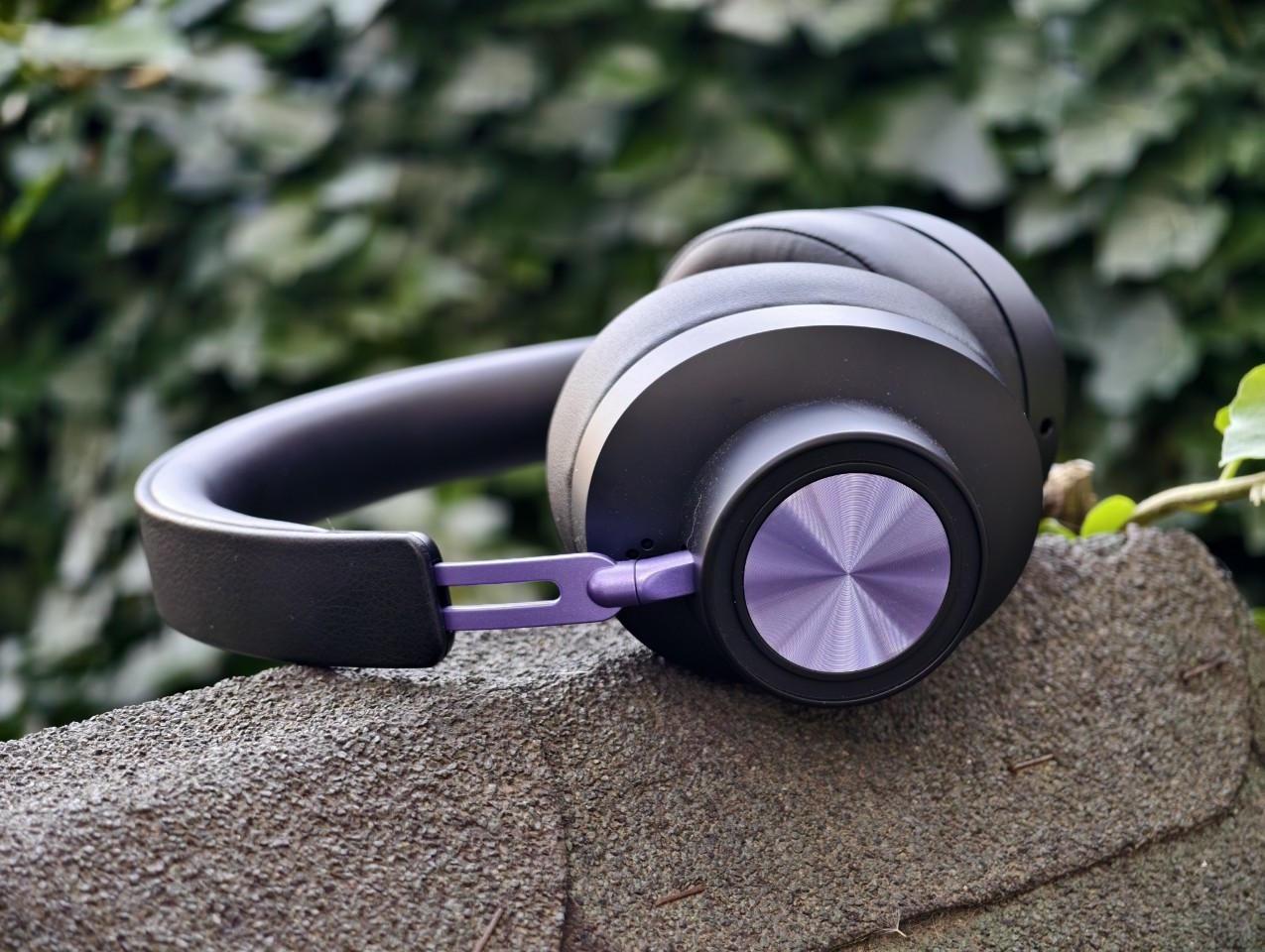
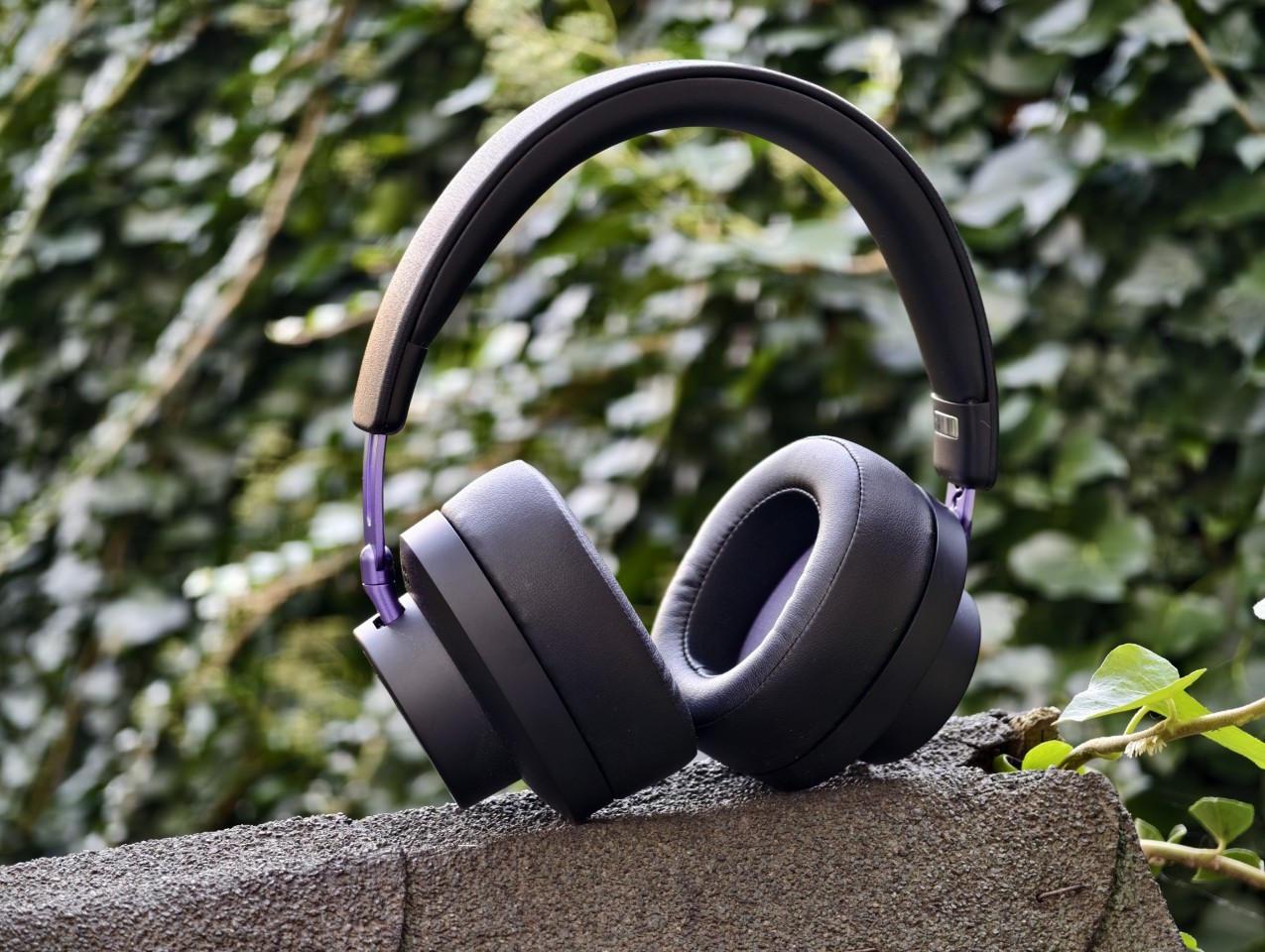
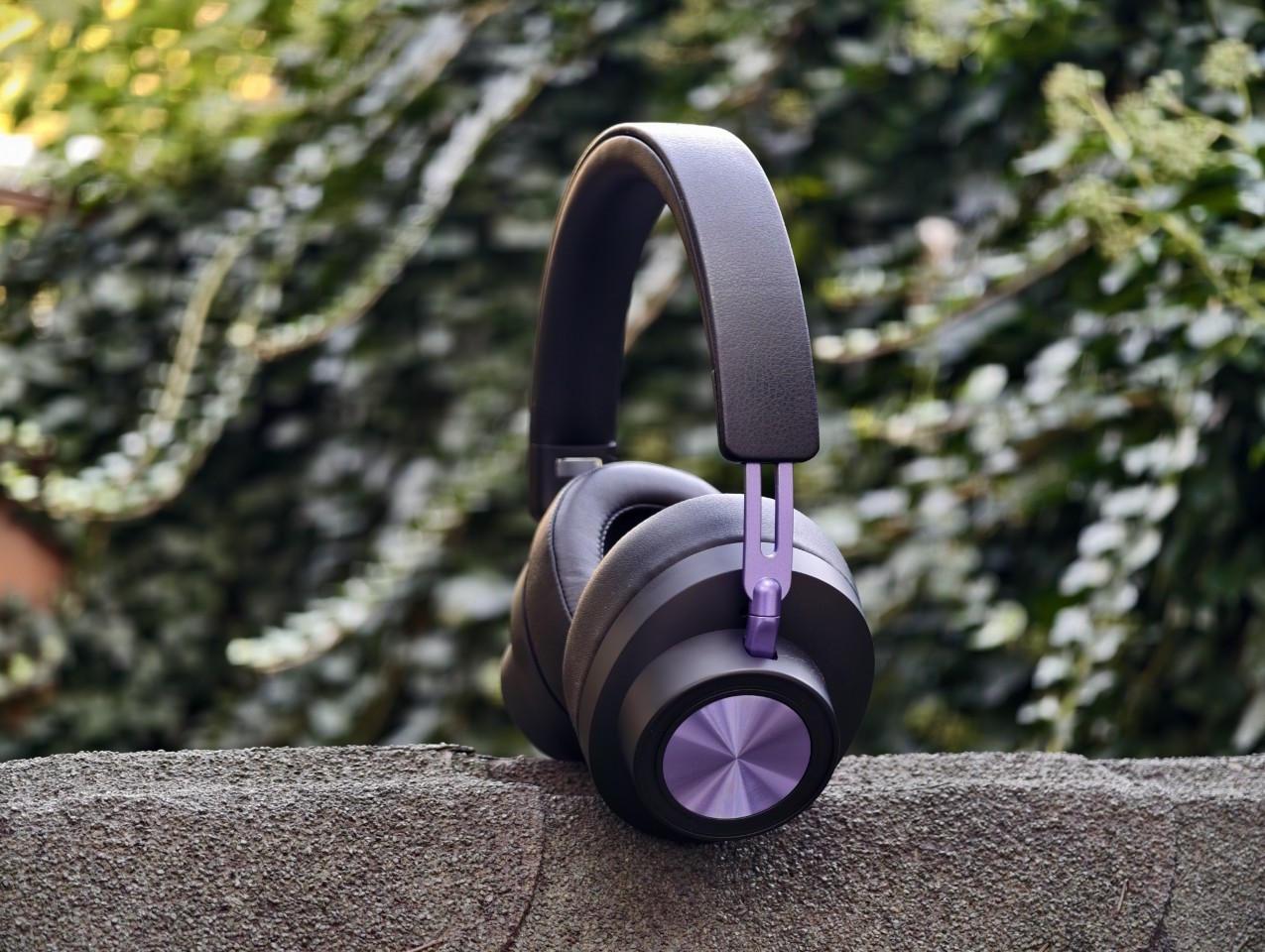
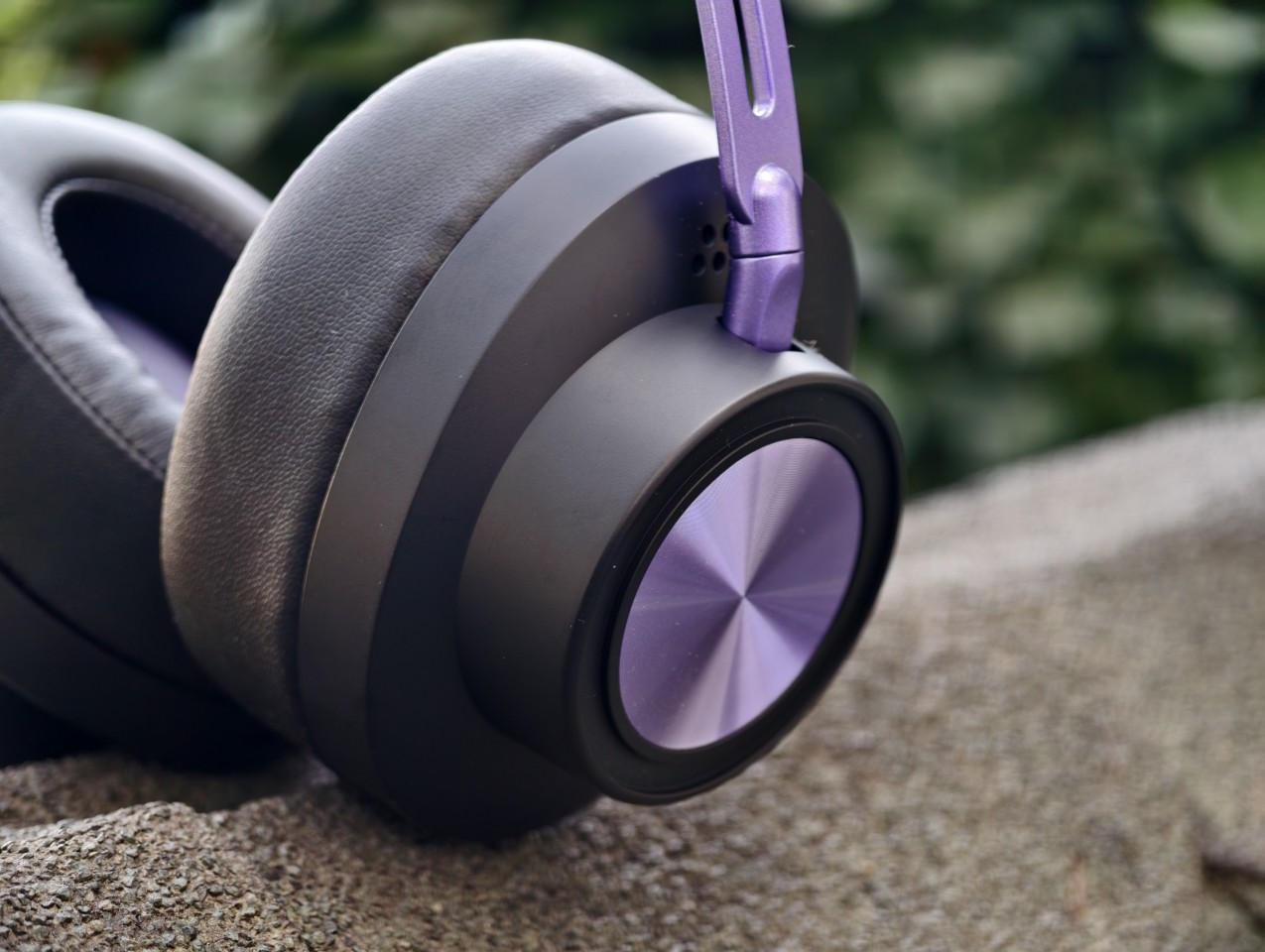
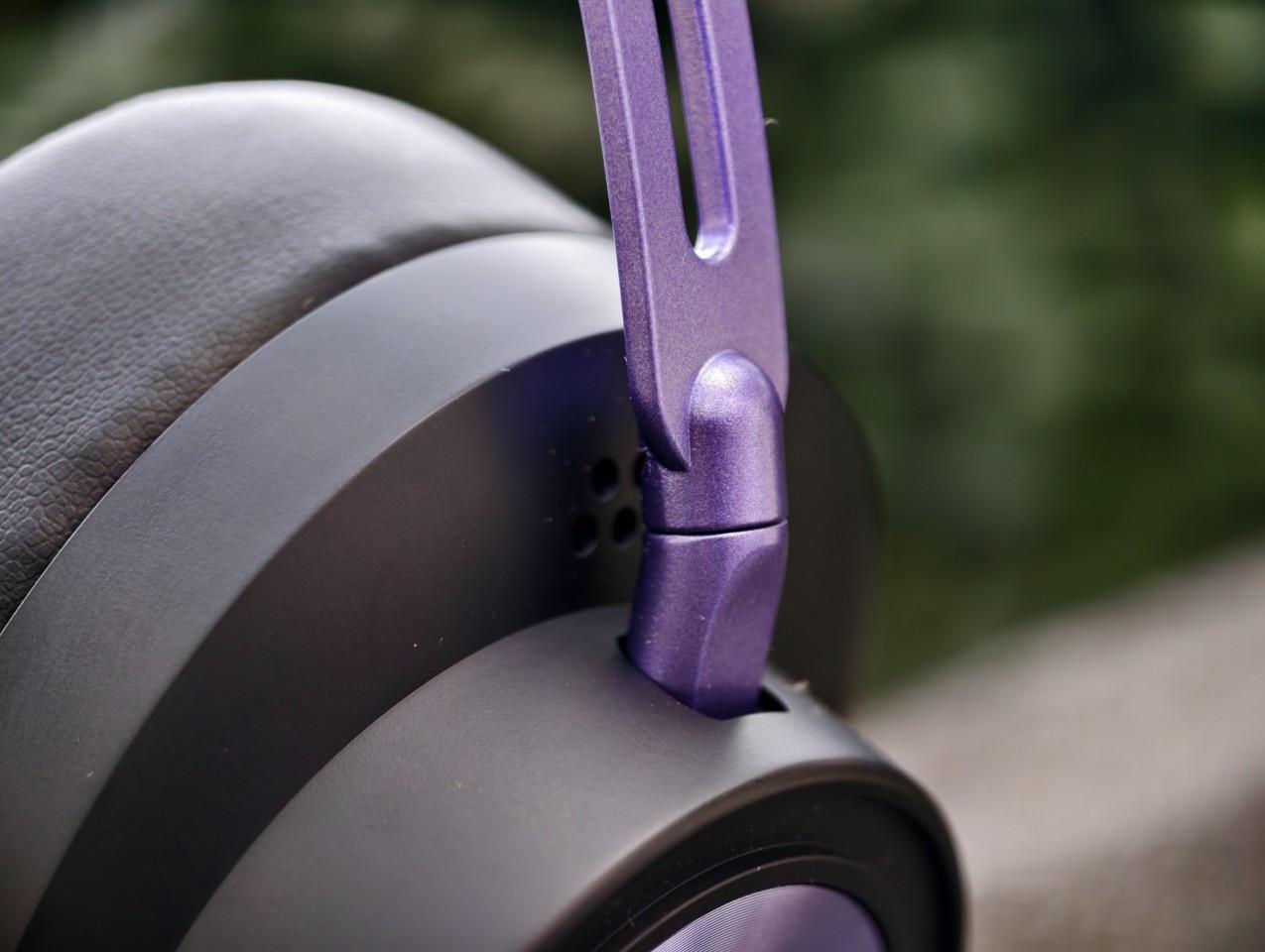
In hands-on use, the Serene presents a well-designed build. The cups are constructed from a durable polymer with aluminum structural elements. The weight is moderate—not as light as ultra-portable headphones, but comfortable for extended wear. The headband uses a spring steel frame with an adjustable strap or pad beneath to distribute clamp pressure evenly across the crown of the head. The ear cups swivel via pivot joints so they adapt to different head shapes and maintain a consistent seal.
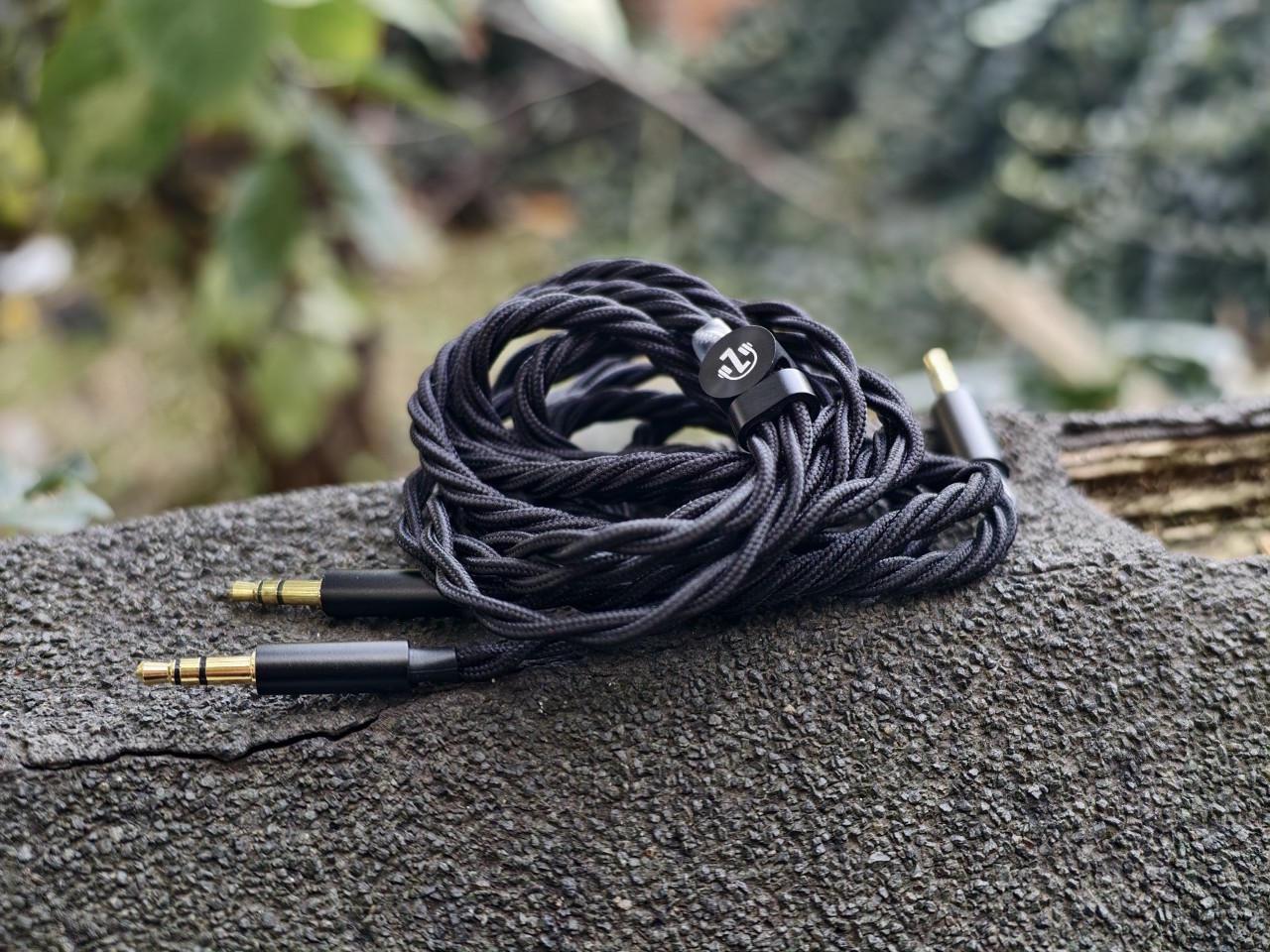
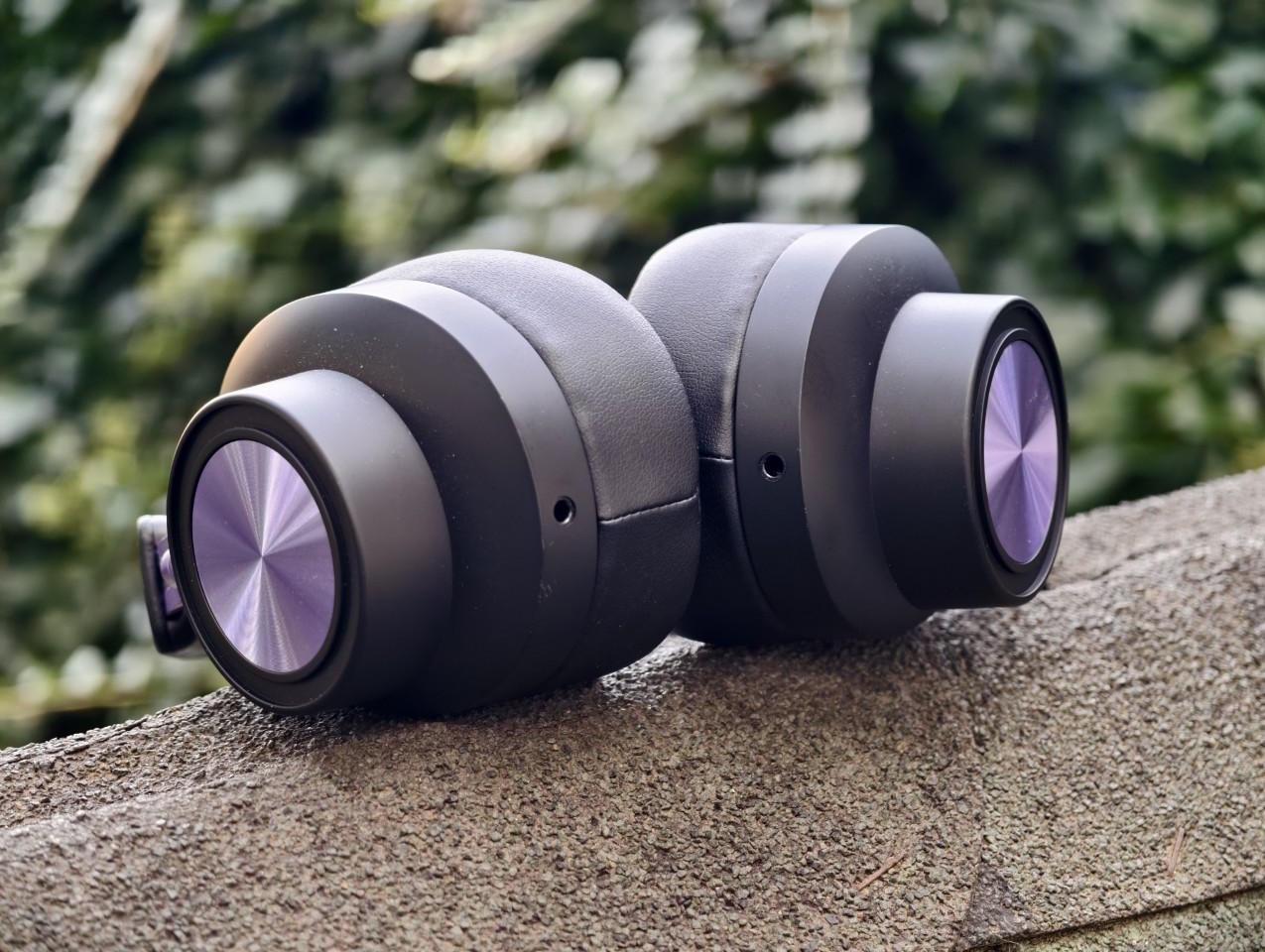
Isolation is a strong point for the format: the closed-back design and plush pads provide meaningful ambient noise rejection—making this headphone more versatile for rooms, shared spaces, or less-ideal listening environments. The detachable dual 3.5 mm cable offers flexibility for replacement or upgrade, though a more premium carrying case or ancillary accessories might have further elevated its premium feel.
Comfort for sessions of several hours is good. The pads are thick and isolate well, though, as with many closed-back models, some warmth around the ears may occur in longer sessions or warmer climates. The overall ergonomics show that the design is intended for both serious listening and general use rather than “studio monitoring only.”
Specifications
According to the manufacturer’s documentation, the Serene is defined by the following key figures:
-
Driver: Planar magnetic, proprietary size 72 mm × 89 mm.
-
Impedance: 50 Ω ±15% at 1 kHz (DC).
-
Sensitivity: 102 dB ±3 dB at 1 kHz (Test Voltage 0.179 V).
-
Frequency Response: 20 Hz – 20 kHz (test range indicated).
-
Rated power: 10 mW; Maximum power: 20 mW.
-
Design: Closed-back over-ear headphone with polymer/metal construction, detachable dual 3.5 mm cable.
-
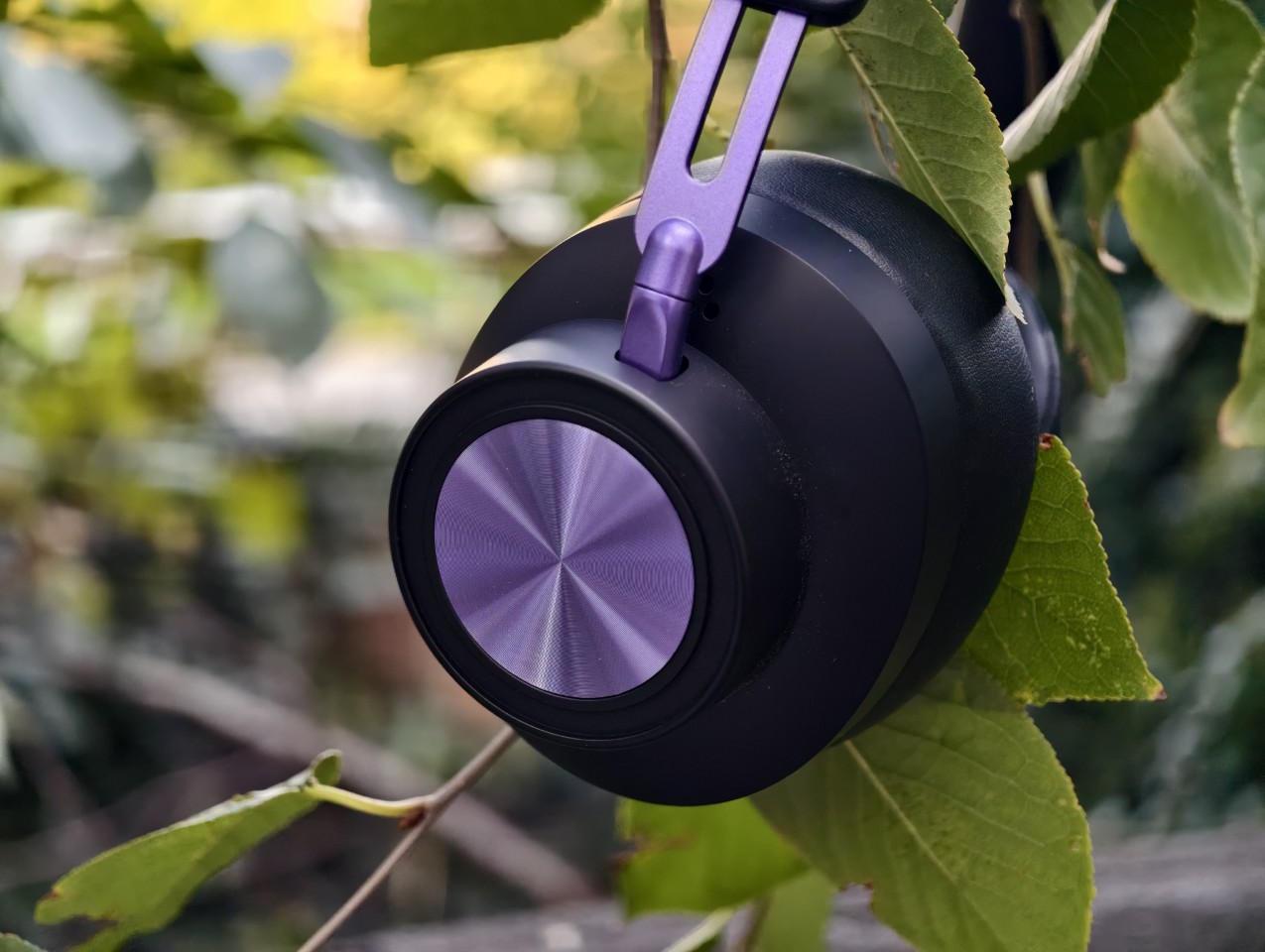
Build and comfort: Memory-foam pads wrapped in vegan leather, adjustable spring-steel headband, dual-pivot cups.
- Price: $159
These figures place the Serene in a category where it should be reasonably easy to drive from decent portable devices, though the planar driver design suggests that better sources will extract more of its potential. The closed-back format also indicates the designers prioritized isolation and usability in more varied environments compared to open-back models.
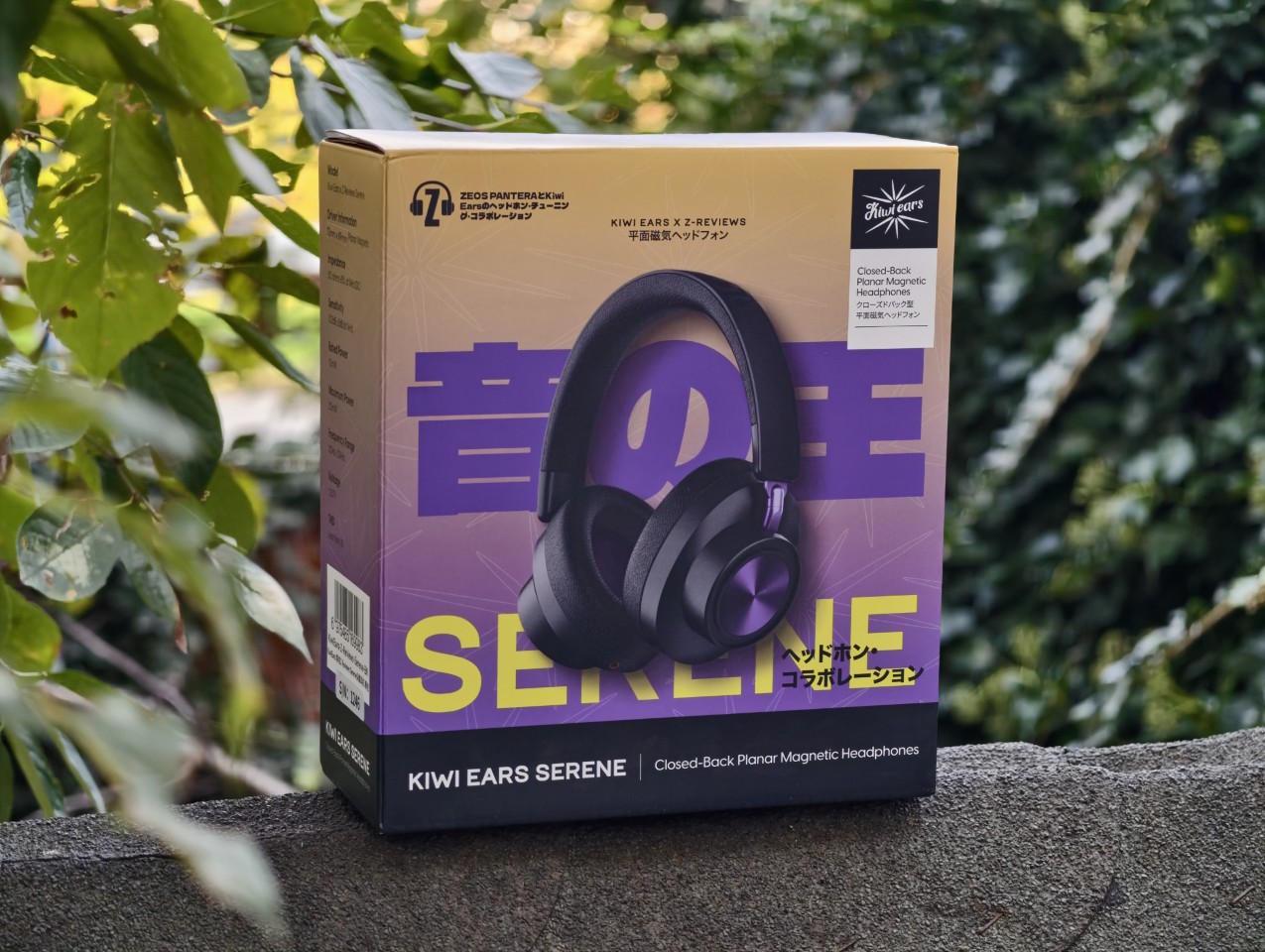
In The Box
Disclaimer: The Kiwi Ears x Z Reviews SERENE was kindly provided by Linsoul for review.
Sound
The tuning philosophy of the Serene leans toward engagement rather than pure neutral reference. The low-end is emphasized relative to a strictly flat target, the mid-range retains body and realism, and the treble extends well but avoids aggression. Combined with the planar driver’s inherent strengths (speed, low distortion, uniform diaphragm excitation), the result is a headphone that aims to be both enjoyable and technically capable.
Bass
The Serene delivers a strong low-frequency presentation for a planar driver in a closed-back format. Sub-bass extension is solid: deep basslines and rumble are present, and low frequencies do not feel truncated or dismissed. In the mid-bass (around 60–200 Hz), there is a clear emphasis: kick drums and bass guitars are presented with impact and presence rather than being recessed. The tuning gives rhythm-driven music a forward thrust.
Because the planar driver is good at controlling diaphragm motion, the bass decay and texture are clean—there is less sense of “driver flex” or distortion than might appear in lower-cost dynamic headphones. That said, the uplift in the upper bass/lower mid region comes with trade-offs: in mixes where bass and lower-mids are densely layered, there is a risk of slight masking of mid-vocals or instruments positioned in that band. Overall, though, the bass performance is above expectations for the price and format.
Mids
The mid-range in the Serene is characterised by fullness and natural tonality. Vocals are well presented: male voices sound grounded, female voices open and clear, and neither is overly bright or harsh. Acoustic instruments (guitars, pianos, strings) retain realistic texture and weight. The transition from bass to midband is handled cleanly; the bass emphasis does not unduly overshadow the mids.
In the upper mids (approx. 2–4 kHz), the tuning remains relatively reserved rather than forward. This decision supports comfortable listening for long durations and reduces fatigue. For music that relies on vocal clarity or acoustic realism, the Serene performs well. In extremely busy mixes or highly analytical listening, some micro-detail may not stand out as aggressively as it would in a headphone tuned for maximum resolution, but the balance is commendable.
Treble
The treble region benefits from the planar driver’s capabilities. High-frequency transients—cymbals, string overtones, ambient room cues—are resolved with clarity and speed. The extension into the upper treble is present, yet the top-end is moderated: there is sparkle and air, but not an aggressive “shine” that might fatigue sensitive listeners. The result is a treble presentation that is detailed but comfortable.
Listeners who favour ultra-bright treble, maximal extension into 20 kHz+ territory or highly analytic top-ends might feel that the Serene compromises slightly in favour of comfort. But for many contexts—daily listening, mixed-genre music, longer sessions—the treble is well balanced.
Technical Performance
Dynamics
The Serene shows good dynamic range for its class. Quiet passages retain nuance; louder passages scale up without harshness or obvious compression. The planar driver’s inherent linearity helps maintain coherence across volume levels. The tuning emphasises musical dynamics rather than exaggerated compression or “bass monster” behaviour.
Imaging & Soundstage
As a closed-back planar headphone, the Serene does not offer the ultra-open soundstage of flagship open-back models, but it performs above typical expectations for the format. Instrument separation is clear, layering is credible, and voices/instruments feel distinct rather than blended. The soundstage width is moderate yet realistic, with a reasonable sense of depth—listeners perceive front-to-back layering rather than a flat acoustic plane.
Source & Drive Requirements
Although the headphone’s impedance (50 Ω) and sensitivity (102 dB) mean many portable devices can drive it, planar drivers often benefit from a clean source and good current/voltage drive. In listening tests, the Serene improves when paired with higher-quality headphone amplifiers or dedicated DACs. On modest devices, it still performs well, but the lower-end and treble clarity may not fully bloom.
Practical Use
Because of its closed-back design, robust build, and comfortable fit, the Serene is well-suited to practical use beyond silent listening rooms: commuting, shared living spaces, streaming setups, or desktop use. The removable cable adds flexibility. The tuning and ergonomics make it suited for long sessions without fatigue. For studio-critical work, some users may still prefer an open-back reference headphone, but for general listening, the Serene is very capable.
Listening Across Genres
Classical & Orchestral
In orchestral pieces, the Serene handles depth and layering effectively. Low-string sections and bass instruments possess presence; brass and woodwinds remain clear; upper-string shimmer and percussion details are audible. The tuning gives engaging reproduction without turning analytical. The stage width is not extremely wide, but the depth and layering provide sufficient spatial context for enjoyment.
Jazz & Vocal
In vocal-centric and acoustic material, the Serene performs strongly. Voices have weight and clarity, instruments retain texture and character, and the treble adds ambience without intrusion. The slight mid-bass emphasis helps rhythm instruments and upright bass shine, making this headphone particularly satisfying for jazz and intimate studio recordings.
Rock, Pop & Metal
For rhythm-driven genres, the Serene delivers engagement. Guitars cut, drums punch, bass lines drive songs forward. The tuning supports excitement and pace rather than purely analytical neutrality. In dense metal mixes, the headphone remains coherent and controlled—though for extreme analytic listening of every micro-layer, one might prefer a different tuning.
Electronic & Gaming
The combination of closed-back isolation, substantial bass, and quick planar driver response makes the Serene suited for electronic music and gaming. Deep basslines and synth layers are present; treble clarity supports spatial cues. While not explicitly built as a gaming headset, its performance in high-impact, high-detail audio environments is strong.
General Listening & Streaming
The headphone is highly suited for everyday use and streaming. Long sessions remain comfortable, tonality remains balanced, and the closed-back form adds practicality. Whether used for film watching, casual music listening, or workday background listening, the Serene does not demand the audiophile lab context to perform well.
Because of the comfortable tuning and constructive ergonomics, the Serene is well-suited to long listening sessions, streaming, or general home use. It doesn’t demand extreme focus or fatigue the ears; instead, it invites relaxed yet detailed listening.
If you’re in the market for a planar magnetic headphone in a closed-back format, and you value a tuning that supports both musical enjoyment and technical capability, the Serene is a strong choice. It suits listeners who want one high-quality headphone for varied use: music across genres, casual listening, streaming, gaming, or desktop use.
If your priorities are reference-level neutrality, ultra-wide soundstage, or studio monitoring accuracy, you might look at open-back planars or higher-budget models. But if your priority includes everyday usability, isolation, comfort, and an engaging presentation, the Serene offers excellent value and smart design.
To get the most from it: use a source with a clean headphone output or a modest amp, ensure a good fit/seal for optimal bass and isolation, and consider that the tuning favours engagement over pure neutrality—so expect enjoyable listening rather than purely analytical.
Sum-Up
The Kiwi Ears × Z Reviews Serene brings planar magnetic driver performance into a closed-back form factor with thoughtful execution. Its proprietary large driver, good build and comfort, and tuning that balances bass, mids, and treble make it a versatile headphone capable of both musicality and technical competence.
While it may not match the ultra-premium open-back planars in absolute soundstage breadth or extreme treble extension, it positions itself as a strong performer for real-world listening across genres and everyday environments. For listeners seeking a practical, high-quality closed-back planar headphone with a tuned-for-enjoyment signature, the Serene represents a compelling option.