
Kiwi Ears Atheia Review – When Two Drivers Become One
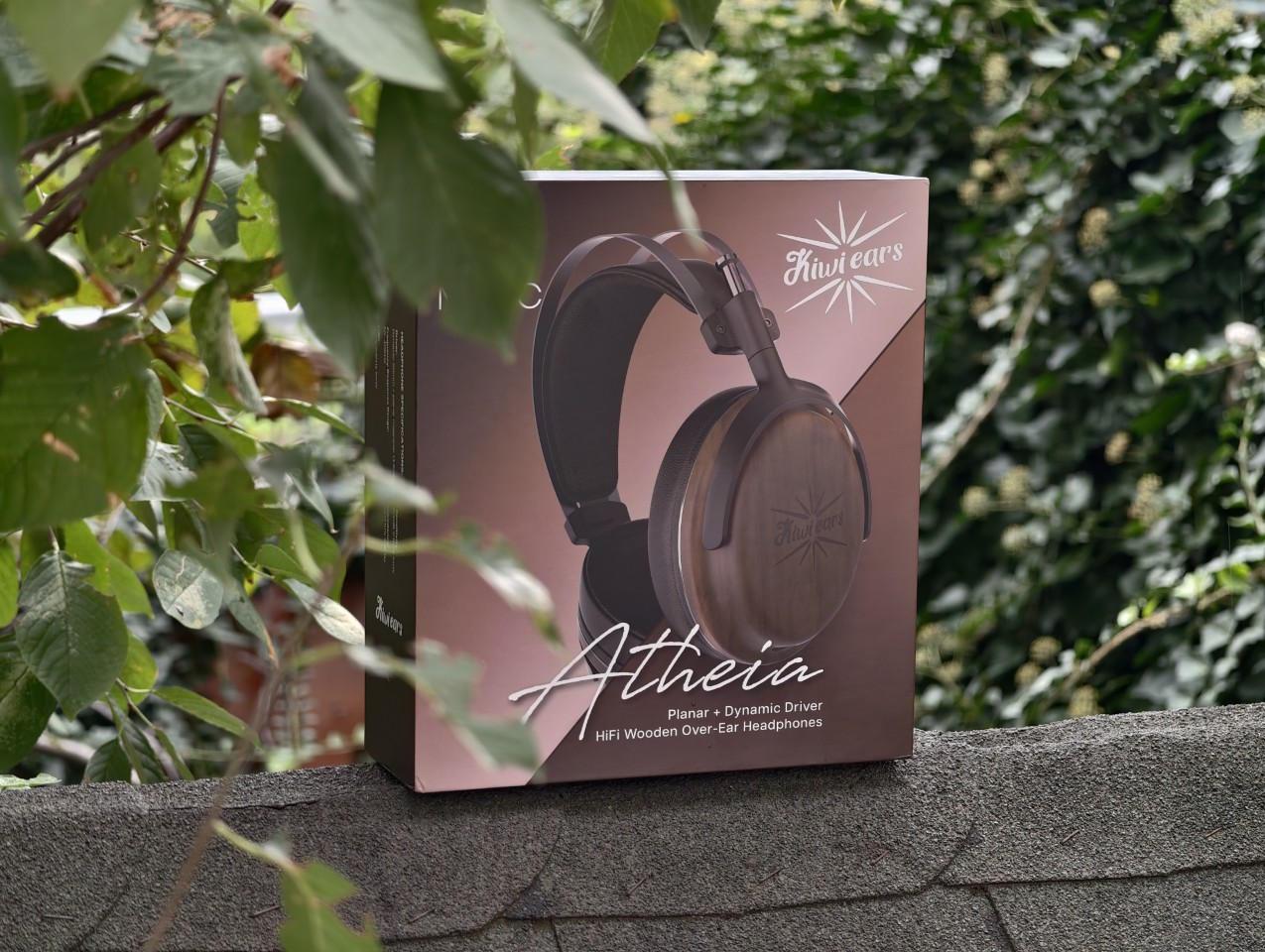
In the crowded field of audiophile headphones, Kiwi Ears has long been known for offering surprising value, especially in the IEM sector. With the Atheia, they leap into full-size territory with a bold statement: a hybrid, dual-driver closed-back headphone combining a 50 mm dynamic driver and a 14.5 mm planar magnetic driver. It’s a daring architecture more commonly seen in IEMs than over-ear models. Lauded with the 2025 Summer VGP (Visual Grand Prix) “Life Style” award, Atheia seeks not just to compete, but to redefine what listeners can expect in its price band.
Let’s take a deep dive into how it sounds, how it’s built, and whether that hybrid driver approach really delivers on the promise.
Background & Context
Kiwi Ears is a brand with roots in the enthusiast audio world, having made waves through well-received in-ear monitors before venturing into full-size headphones. The Atheia represents their flagship over-ear model. The fact that it won recognition at the VGP 2025 Summer awards under the “Lifestyle” category underscores that experts see it as not just another headphone, but one that combines aesthetic appeal, usability, and sonic ambition.
The hybrid configuration—pairing a large dynamic driver with a smaller planar magnetic driver—is rare in full-size closed-back phones. Many have attempted hybrids or multi-driver setups, but balancing coherence, timbre matching, and seamless integration is extremely challenging. Kiwi Ears is among the few doing it earnestly at this level.
The dynamic driver is tasked with delivering bass weight and foundation, while the planar driver brings speed, detail, and clarity in the upper frequencies. The crossover (if present) is carefully managed, with overlapping ranges so the two drivers blend rather than create gaps.
Design, Build & Comfort
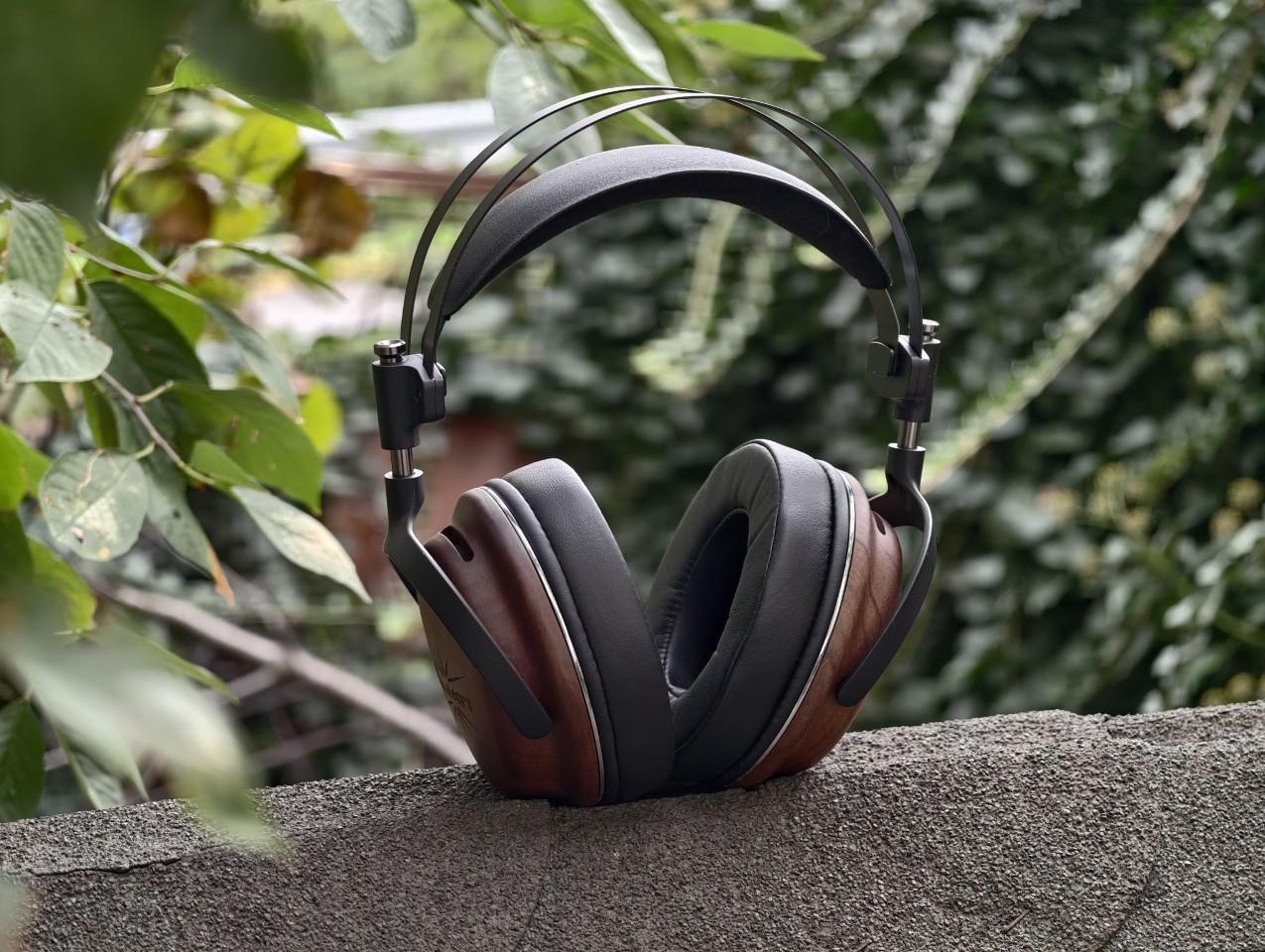
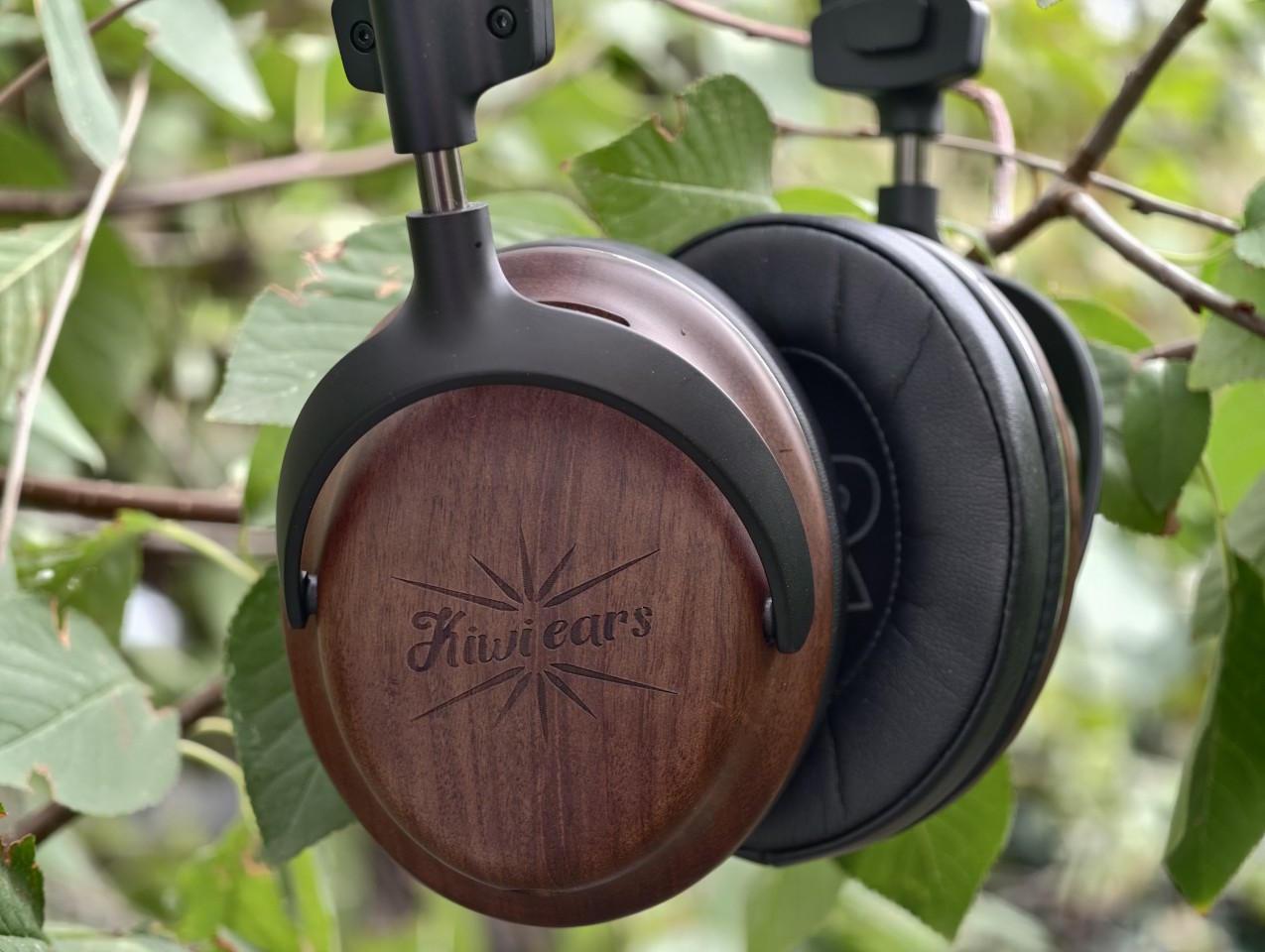
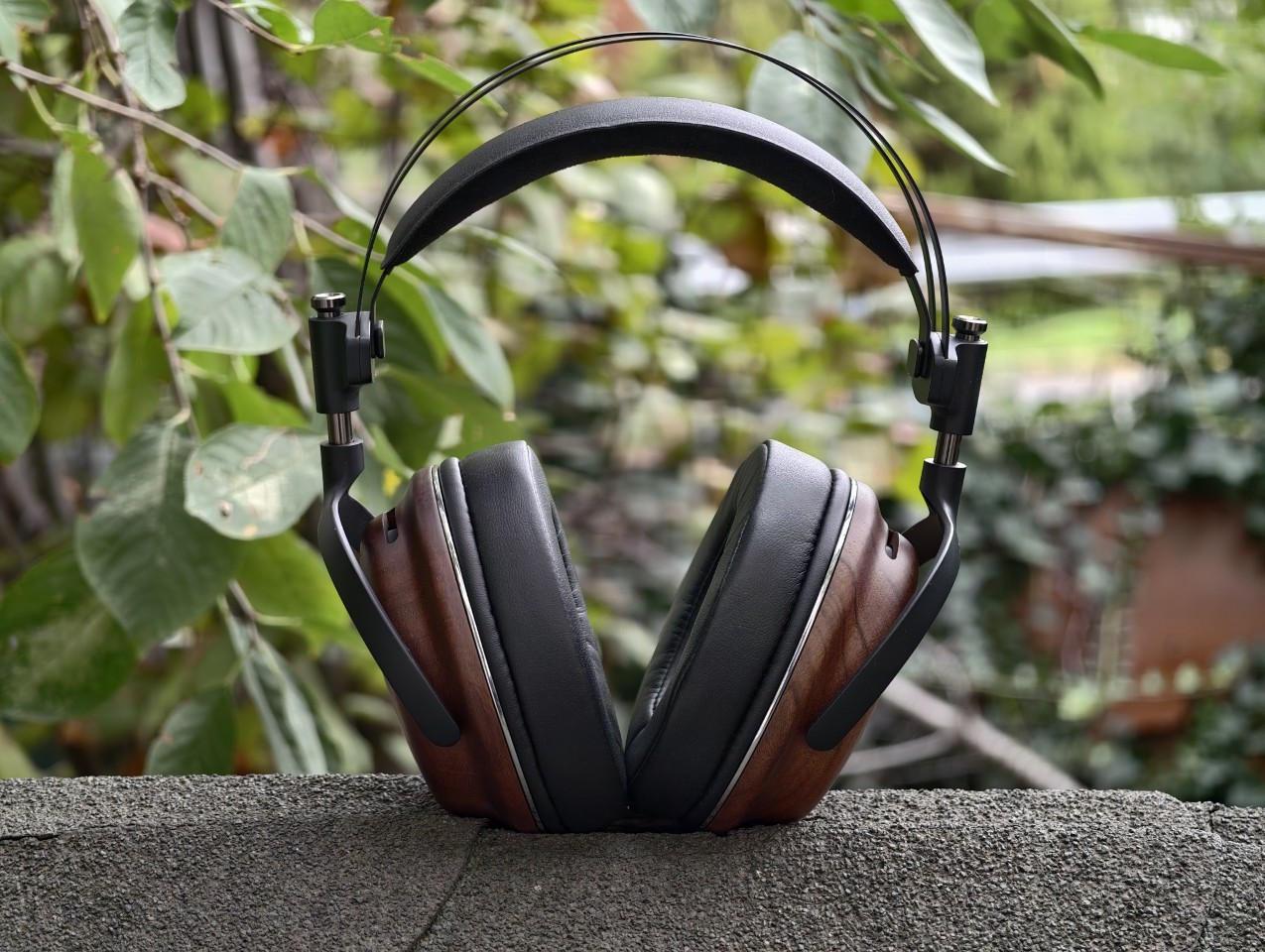
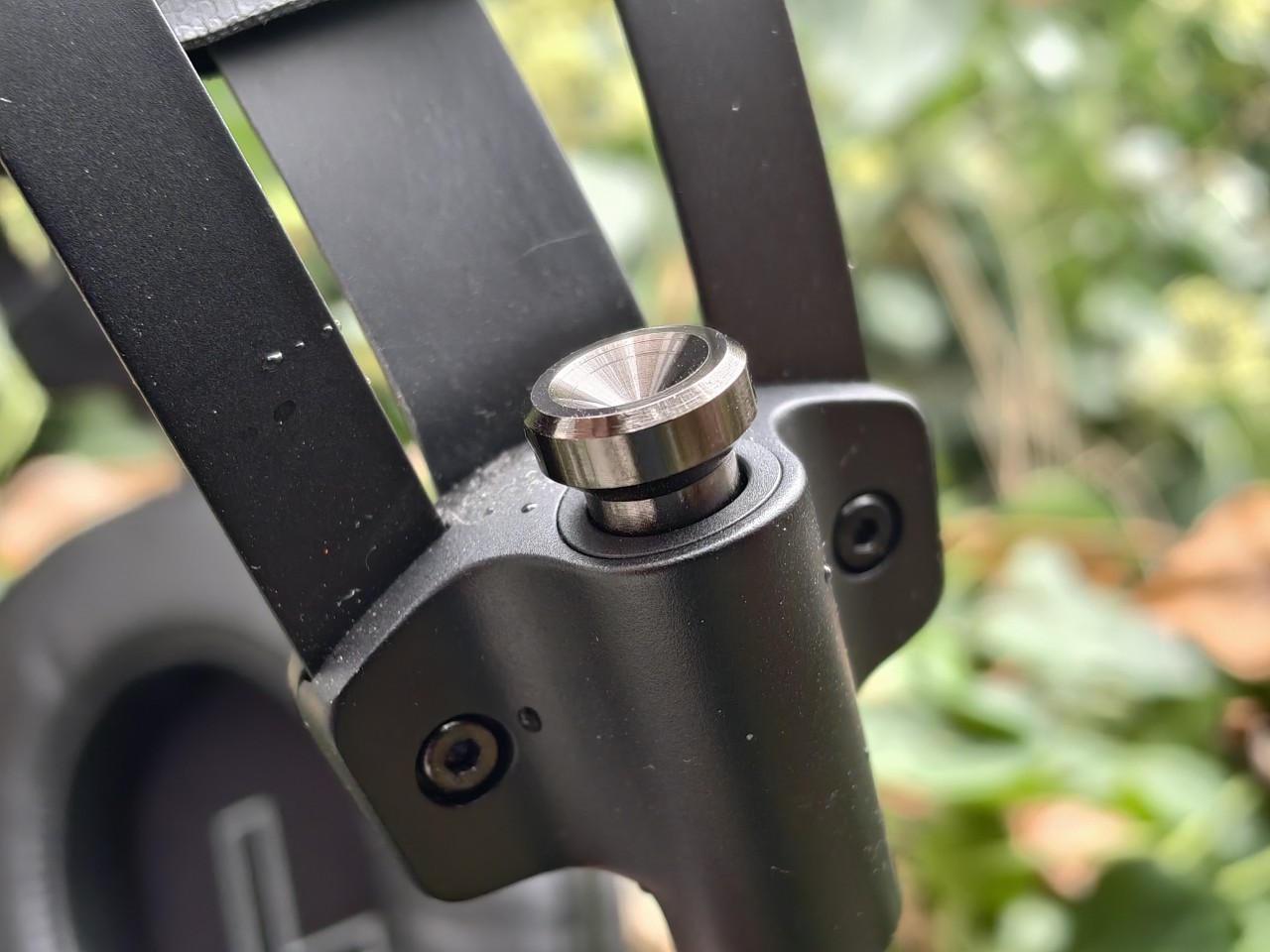
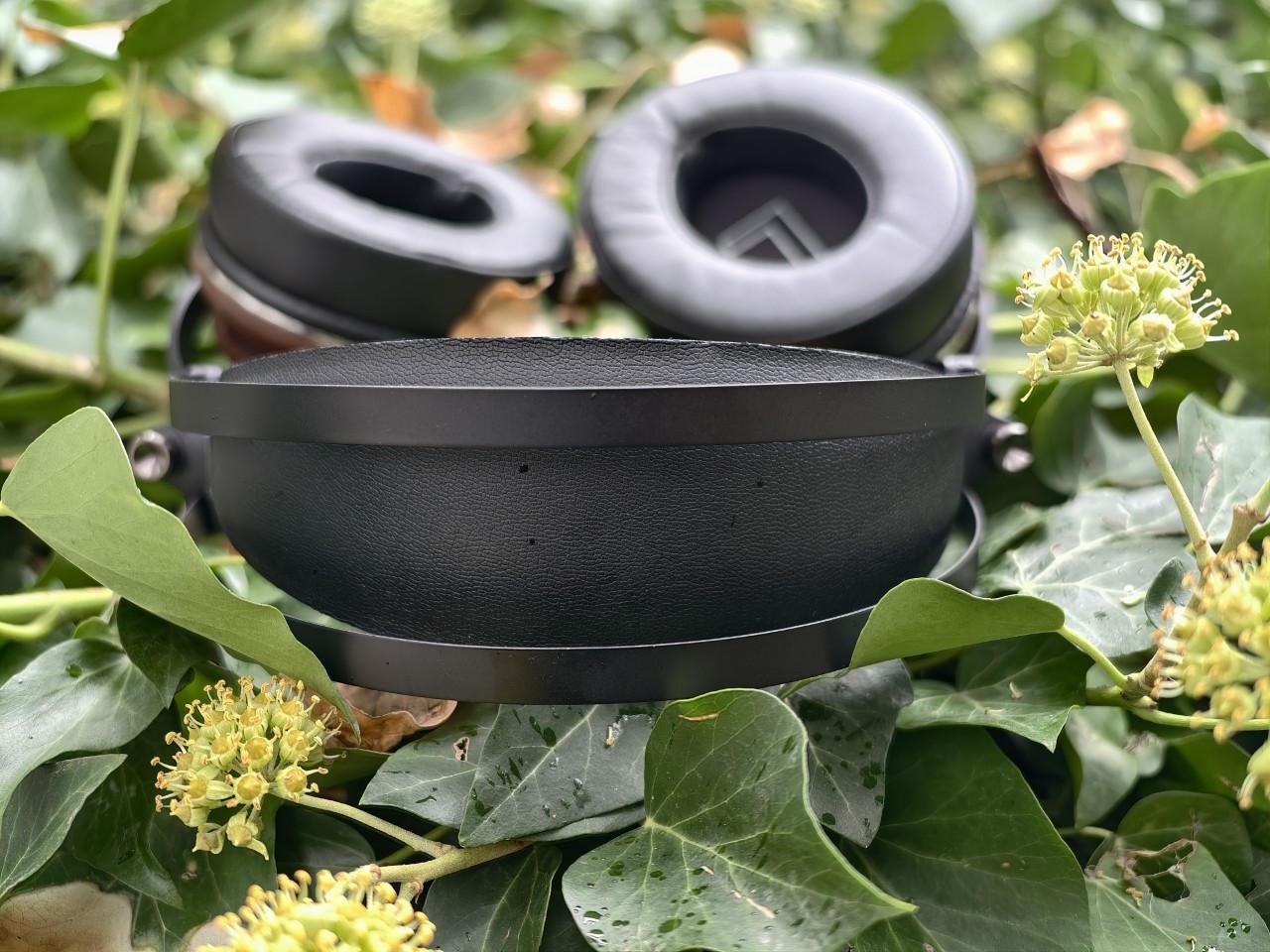
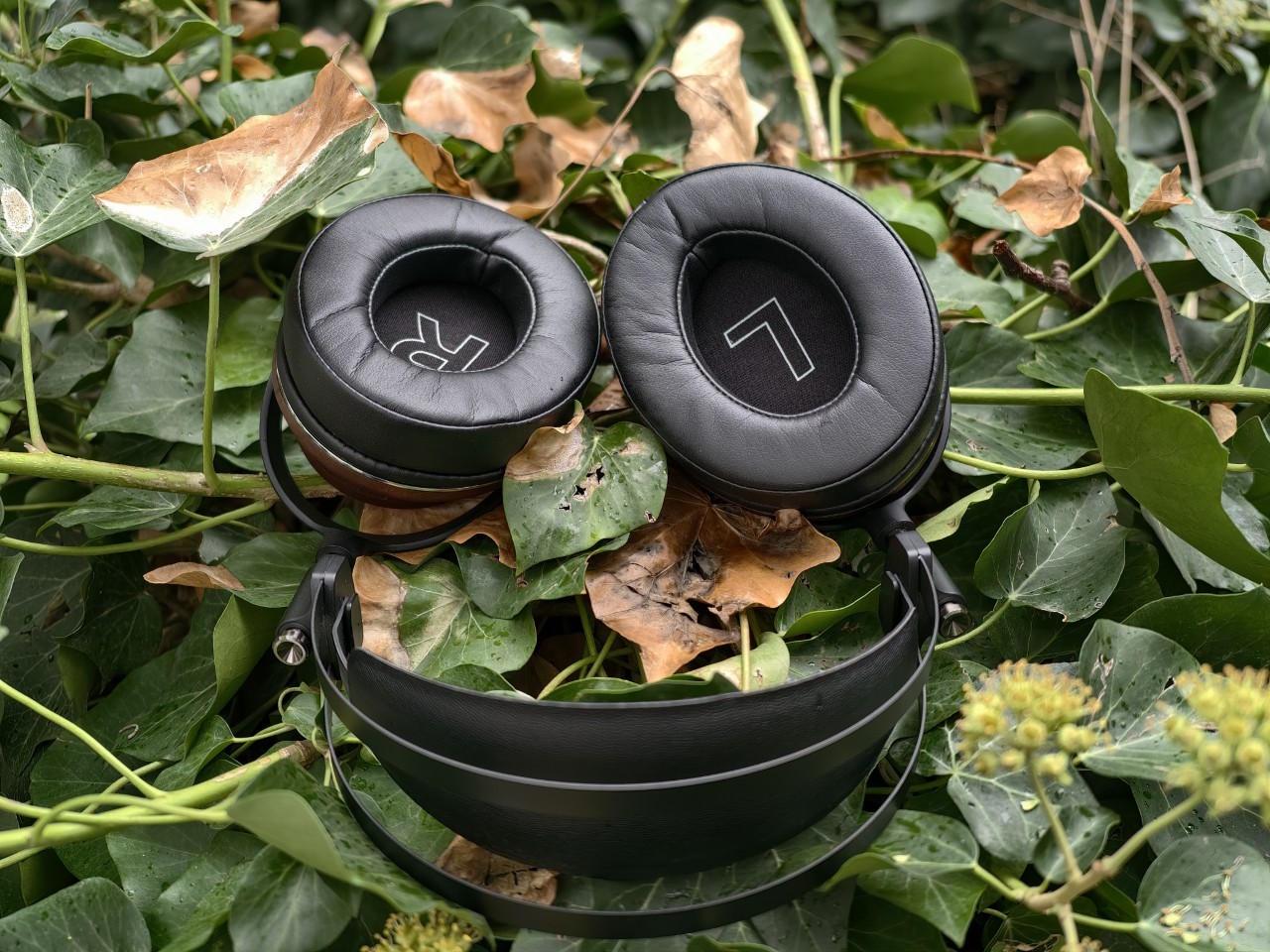
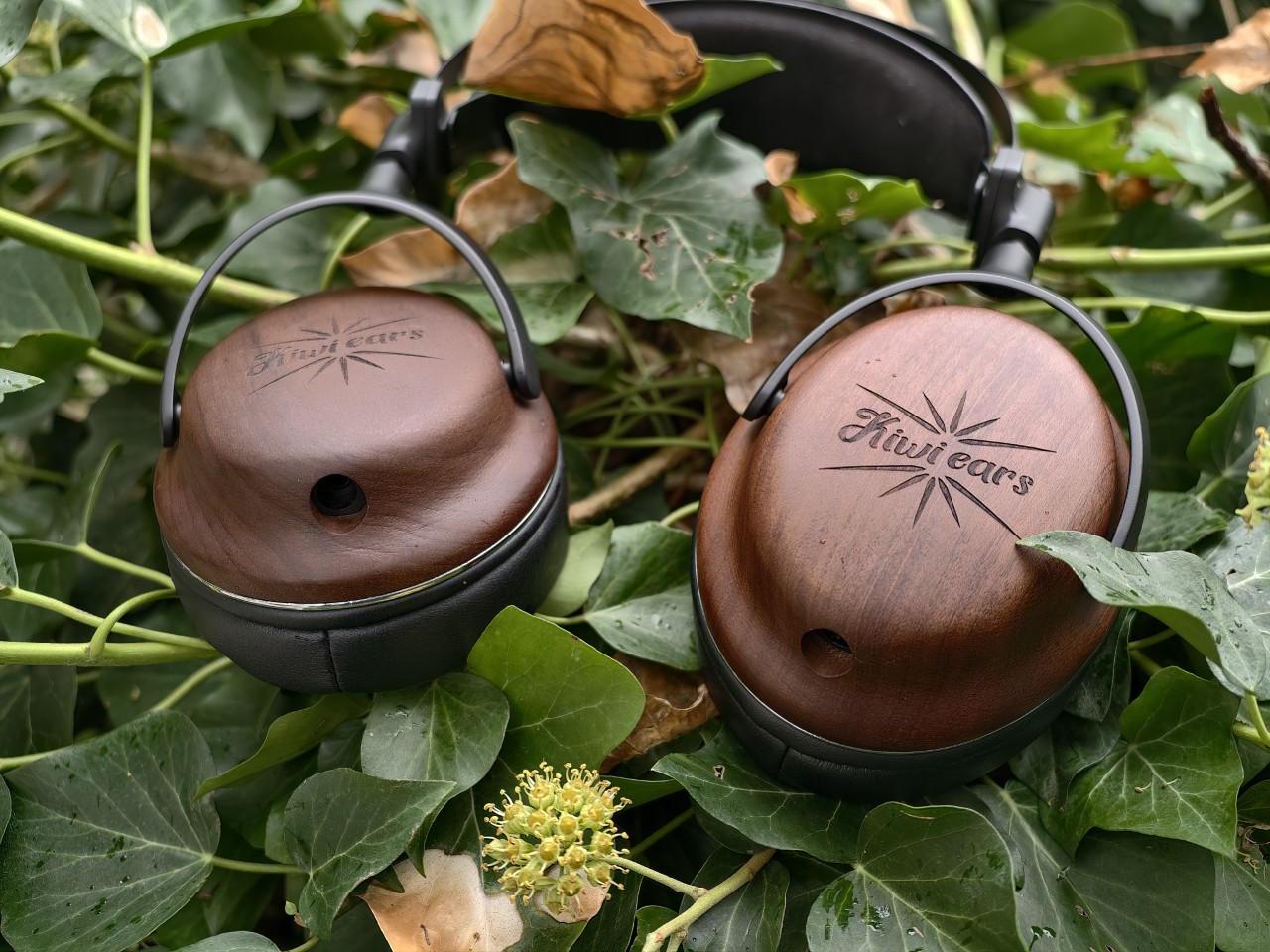
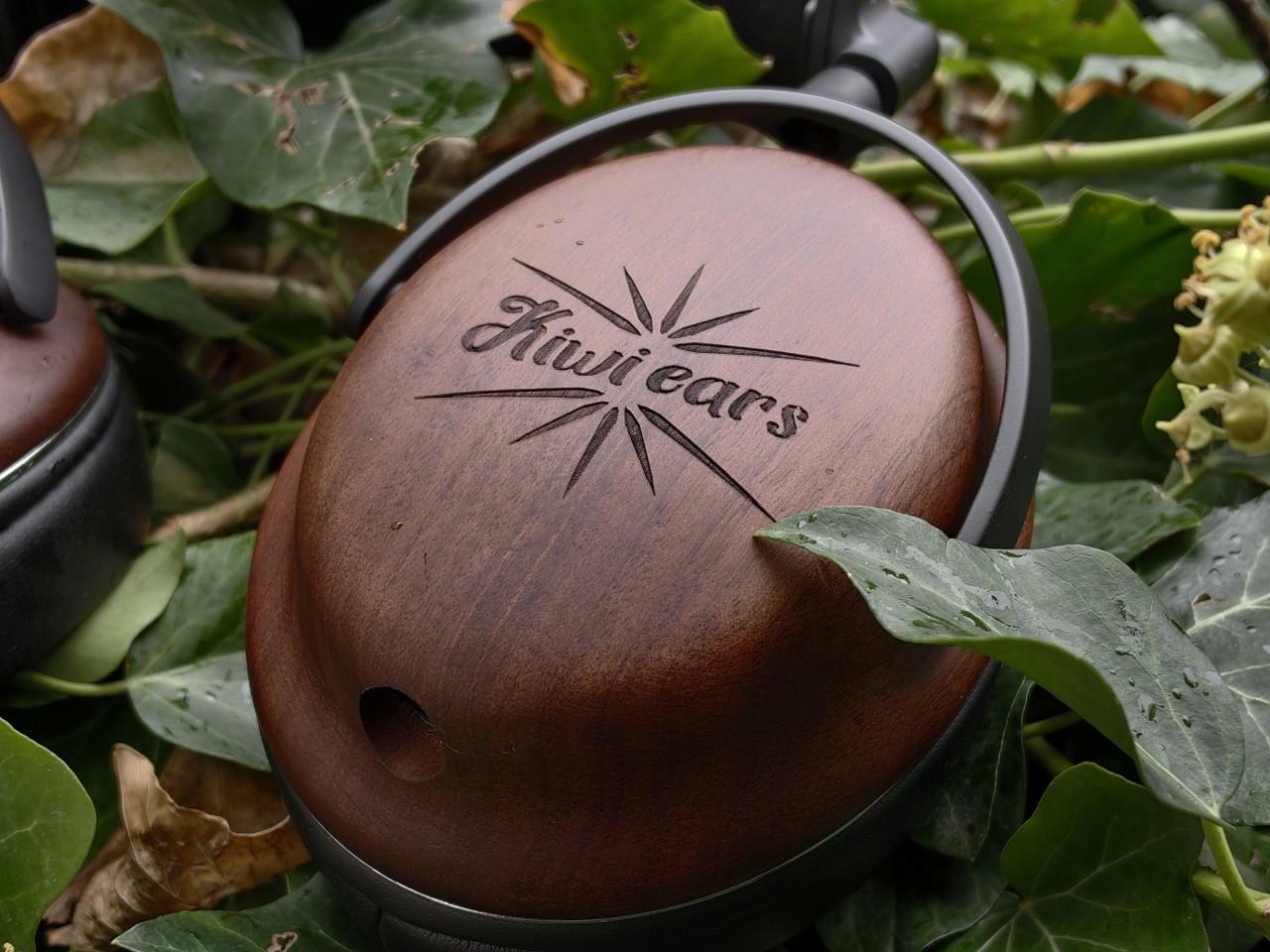
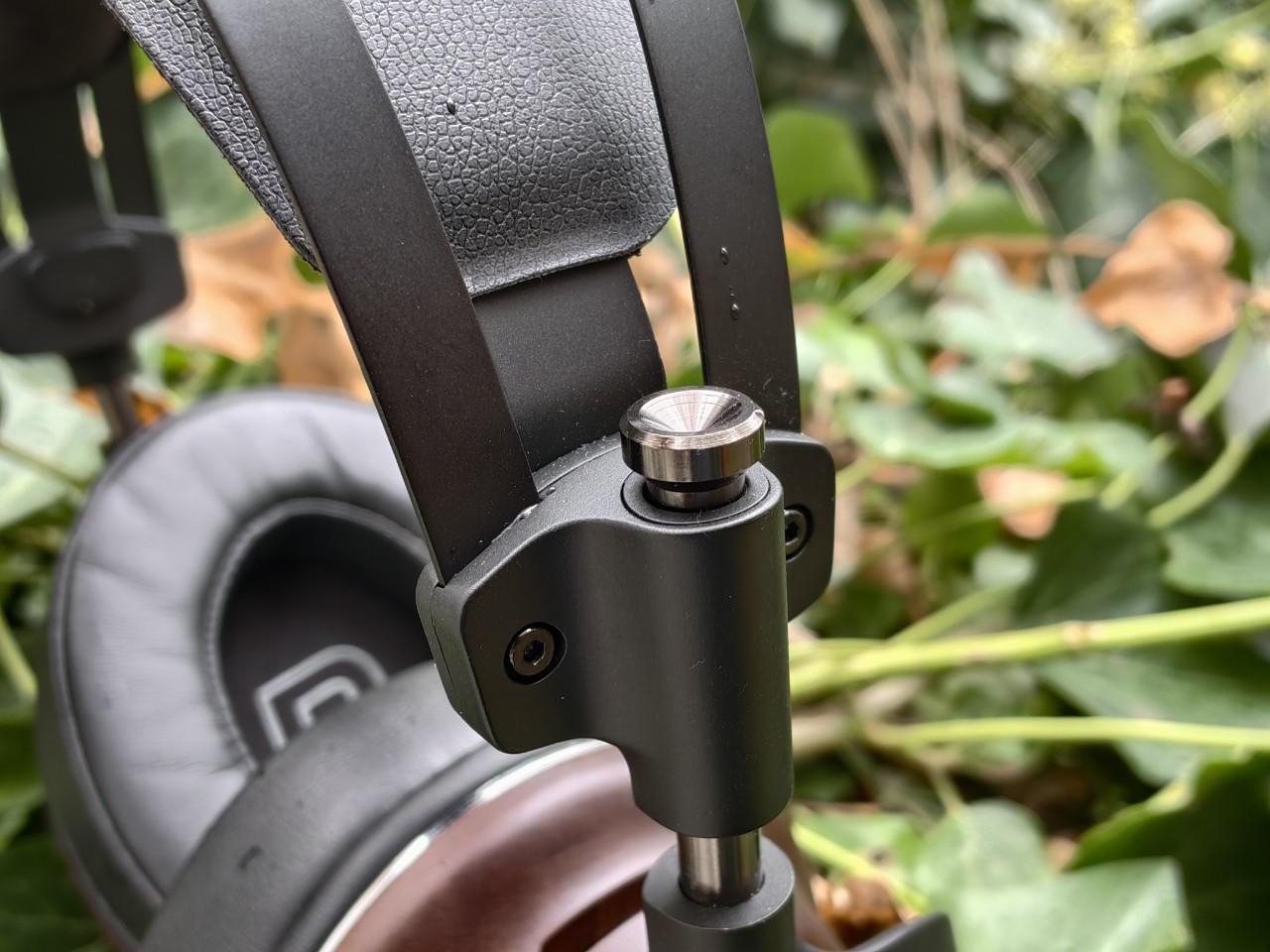
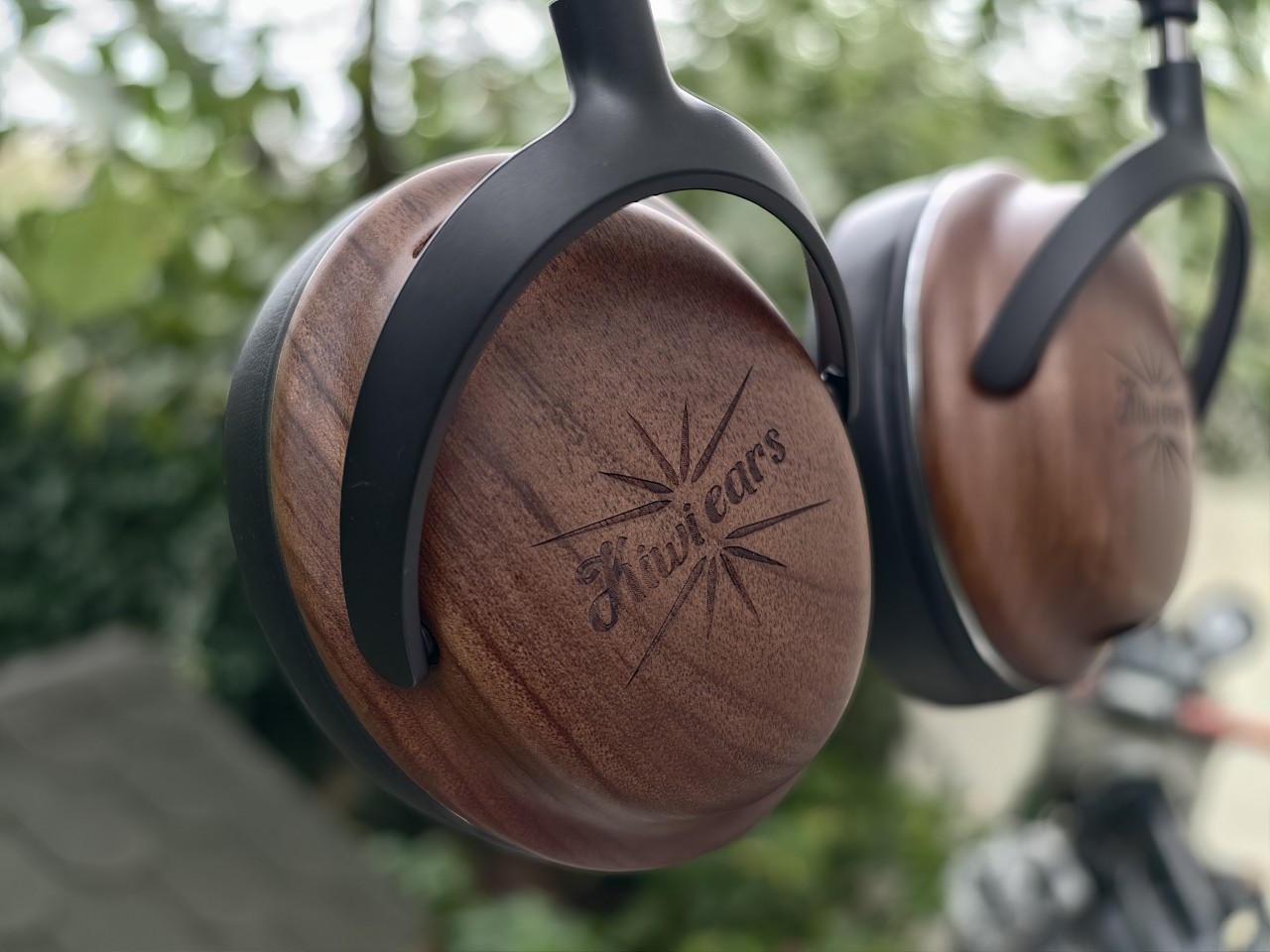
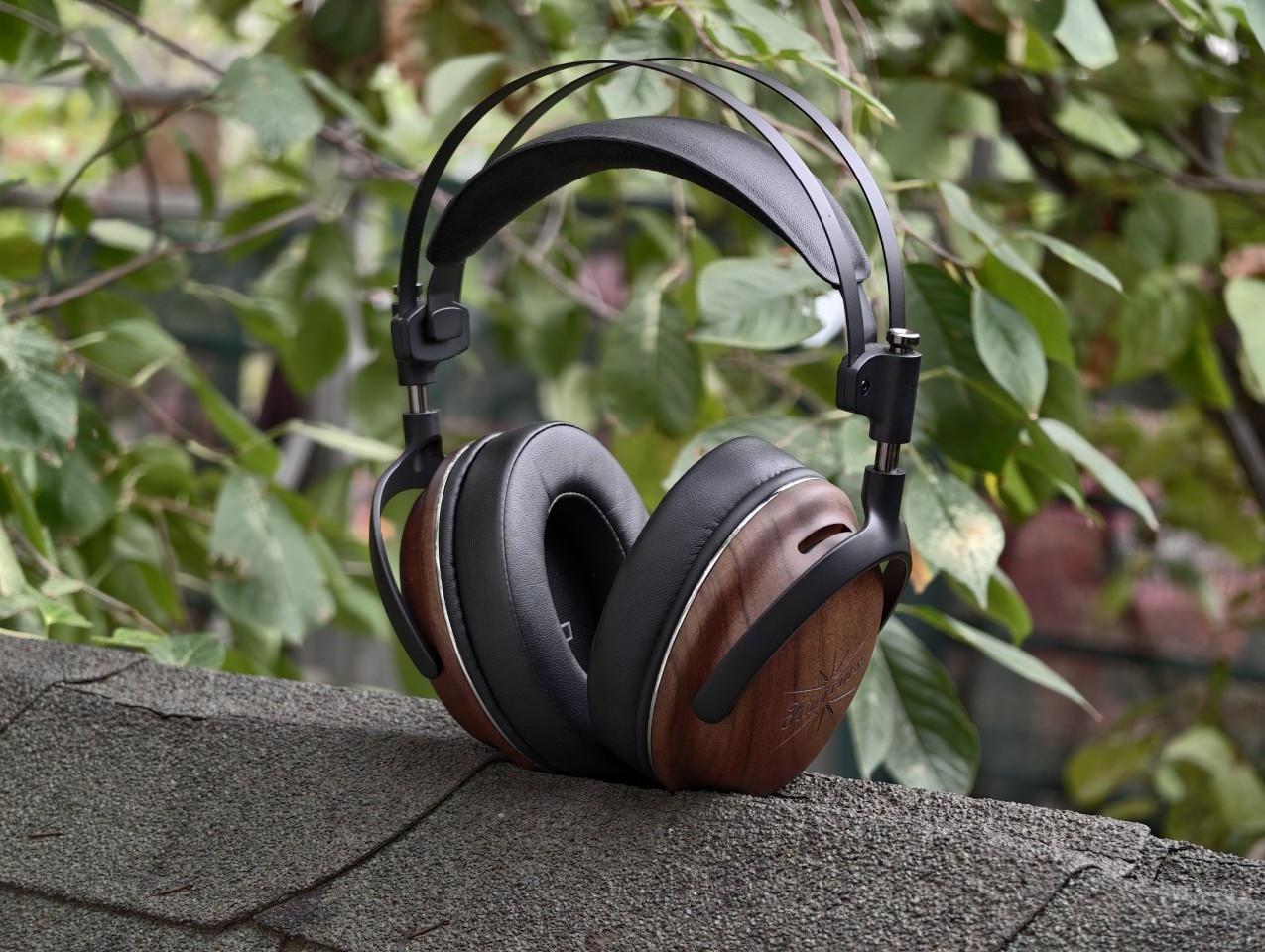
Atheia makes a strong first impression. The walnut wood earcups lend warmth and visual distinction; paired with metal yokes, hinges, and a self-adjusting headband strap, the build feels sturdy and premium without unnecessary weight. The headband’s auto-adjust mechanism reduces pressure on the crown, while the rods allow manual fine-tuning of fit. The clamping force is moderate, making it comfortable even for longer sessions, and the pads are plush and forgiving.
Because the cable is detachable (dual-ended), it gives some flexibility—though the locking style and custom plug design limit aftermarket cable options. The cable itself is partly textile-sheathed and partly rubber/silicone, aiming to reduce microphonics, though some users find it a little stiff or springy in behavior.
Isolation is modest for a closed-back headphone—some ambient leakage remains—but the wood cups and closed design keep leakage relatively low. The combination of woods and composites introduces subtle acoustic resonance control; the designers likely tuned internal damping to balance coloration from the wood.
Overall, comfort and ergonomics are solid. For medium to large head sizes, Atheia feels balanced and non-fatiguing.
In The Box
Specifications
-
Drivers: 50 mm composite-diaphragm dynamic + 14.5 mm planar magnetic
-
Impedance: 32 Ω ±10%
-
Sensitivity: 102 dB / mW ±3 dB
-
Frequency response: 20 Hz to 40 kHz
-
THD: < 0.5% @ 1 kHz, 1 mW
-
Cable: detachable dual-ended to each cup (locking 3.5 mm type)
-
Headphone connector: dual-side 3.5 mm locking type
-
Closed-back design
-
Earcups: walnut wood (or wood veneer)
-
Headband: self-adjusting strap style
-
Pads: soft memory-foam wrapped in vegan leather/leatherette
-
Isolation: modest passive (closed-back)
-
Build: metal rods, hinges, solid structure, wood + metal + composite parts
- Price: $349
Disclaimer: The Kiwi Ears Atheia was kindly provided by Kiwi Ears for review.
Sound Signature & Driver Interaction
The most intriguing aspect is how the 50 mm dynamic and 14.5 mm planar work together. In practice, the dynamic driver provides the muscle: deep, textured bass, body, and low-mid weight. The planar magnetic is responsible for speed, definition, treble extension, and resolving subtle detail. The idea is that the planar component refines what the dynamic driver might otherwise blur in the upper frequencies.
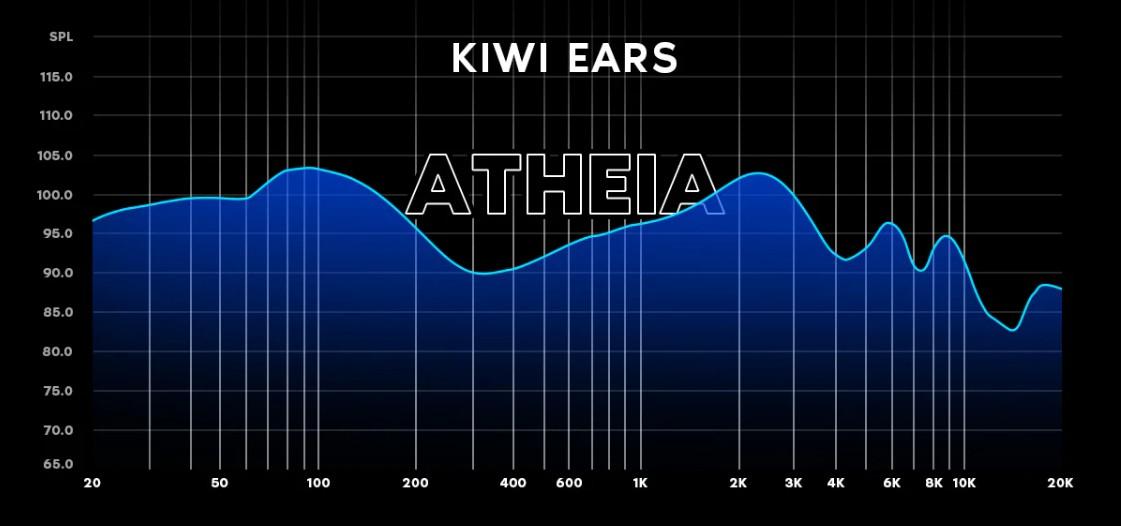
The lower mids and upper bass region show a slight dip or recession—possibly to prevent muddiness or masking between the drivers. Then there is often a presence uplift in the upper mids / lower treble to bring vocal clarity and detail. The treble is extended but not aggressively emphasized; it’s tuned smoothly, retaining sparkle without fatigue.
Bass
The Atheia delivers a well-fortified low end. Sub-bass is present and impactful—tracks with deep synths, orchestral textures, or cinematic rumble benefit noticeably. The dynamic driver’s strength is obvious: bass hits give weight, body, and definition. The mid-bass is controlled, avoiding boom or bloat in most mixes.
However, because of the slight upper-bass / lower-mid dip seen in many listener reports, some male vocals or low-mid instrumentation may feel a hair lean compared to neutral. This trade-off likely aids clarity and prevents masking but shifts the signature slightly from true neutrality toward a more engaging, slightly colored balance. For bass-driven genres (rock, EDM, pop), the Atheia can carry energy and punch in a way few hybrid designs manage.
Mids
The midrange is a critical test of how well the planar and dynamic drivers integrate. In Atheia, midrange remains largely natural and open. Vocals—male and female—are clear and expressive, though with slightly more forwardness in the upper mids (2–4 kHz) to aid presence and definition. The dip in upper bass/lower mids gives the mids room to breathe, avoiding congestion. Guitars, pianos, and strings feel somewhat lighter than in overly warm tunings, but they maintain tone and texture.
Because the planar driver assists above the midband, transitions feel clean. Listeners note that instrument timbres remain faithful rather than showing obvious “driver handover” artifacts. There is a balance struck—enough body to avoid thinness, but not so much to mask clarity.
Treble
Here is where the planar driver really pays off. The treble in Atheia is extended, detailed, and articulate. It has air, sparkle, and texture—cymbals, hi-hats, percussion overlay, fine reverb tails all emerge clearly. Yet, the designers have restrained it to avoid harshness. The roll-off beyond ~10–12 kHz is gentle, so the very top is present but not piercing.
In mixes with bright instruments or harsh mastering, the treble remains controlled, avoiding fatigue. The mid-treble region (5–8 kHz) is energetic but not exaggerated.
Technicalities & Soundstage
Atheia’s technical performance is impressive for its design. Dynamics are responsive, with good control across both soft and loud passages. Because of the hybrid driver blending, micro-dynamics (tiny fluctuations in amplitude) and macro-dynamics (broad loudness swings) both come through with nuance.
Imaging is stable. Instruments are placed with definition; the sense of left-right width is moderate—this headphone doesn’t pretend to be ultra-wide, but the layering is competent. Depth is acceptable for a closed-back design; you won’t get massive hall illusions, but spatial cues are clear.
Noise floor is low, assuming a clean source—listeners note it scales with input quality. Distortion remains under control, with negligible artifacts even at higher volume levels.
One interesting point: the attack/decay balance shows characteristics of both driver types. The planar side offers snappier attack in higher frequencies; the dynamic side provides a slightly more relaxed decay in the low end. That difference is audible in some tracks and gives the Atheia sonic character: full where needed, sharp where required.
Genre-by-Genre Impressions
Classical / Orchestral
Atheia handles orchestral depth well. The low strings and bass sections have body and reach; mid instruments like woodwinds and brass have presence; high strings and reverberant overtones are rendered with clarity. The slight mid dip allows separation of sections. The trade-off is that extremely dense orchestral passages may feel slightly less thick in the lower mids than a wholly warm headphone would present.
Jazz / Acoustic / Vocal
This is among Atheia’s strengths. Vocals feel natural, expressive, and engaging—acoustic guitar, piano, upright bass all sound textured and honest. The detail retrieval in the treble gives ambiance and air, making small hall recordings or studio takes more immersive. The trade-off is that very warm or mellow recordings may expose the slight lean in the lower mids.
Rock / Metal / Pop
Here, the energy shows. Guitars crunch, drums slam, vocals cut through. The bass responds; the treble gives clarity to snare and cymbals. In extreme mixes, clipping or harsh masters may push some stress into the upper treble, but overall, Atheia remains forgiving for most modern genres.
Electronic / EDM
With its capable sub-bass and energetic treble, electronic music comes alive. Bass synth lines carry weight, while shimmer and texture in upper frequencies remain crisp. The balance holds even in club mixes and DTS/5.1 remixes—Atheia is not shy to handle intensity.
Ambient / Cinematic / Film
For immersive listening, the clarity in treble and separation serve well. Surround-like effects, reverb tails, spatial layering—Atheia presents them with transparency. The dynamic/planar combination helps avoid dullness in quiet passages and fatigue in louder ones.
Sum-Up
The Kiwi Ears Atheia is a bold headphone that bridges two worlds: dynamic richness and planar clarity. Its dual-driver hybrid architecture—50 mm dynamic plus 14.5 mm planar—is rare and ambitious, and Kiwi Ears succeeds for the most part in weaving them together into a coherent, enjoyable sound. The bass is deep and muscular, the mids transparent and expressive, the treble detailed yet forgiving.
The slight tuning quirks (upper bass dip, leaner lower mids) are trade-offs intended to preserve clarity and prevent masking in complex mixes. For listeners who favor neutrality with a lean toward engagement, Atheia is one of the more compelling full-size closed-back options at its price tier. Its build, ergonomics, and award recognition only strengthen its appeal.