

FiiO QX13 Review – Formula One Power In Your Pocket – Dual 8-Channel DACs
A dongle DAC and headphone amplifier with desktop-level performance? That seems to be what FiiO’s QX13 offers. FiiO introduces the QX13, redefining what a portable DAC and headphone amplifier can be. Combining desktop-grade performance with pocket-sized convenience, it features advanced components like the 8-channel ESS SABRE PRO DAC, six high-end TI op-amps, and a 16-core XMOS processor, all housed in a sleek, premium carbon fiber body.
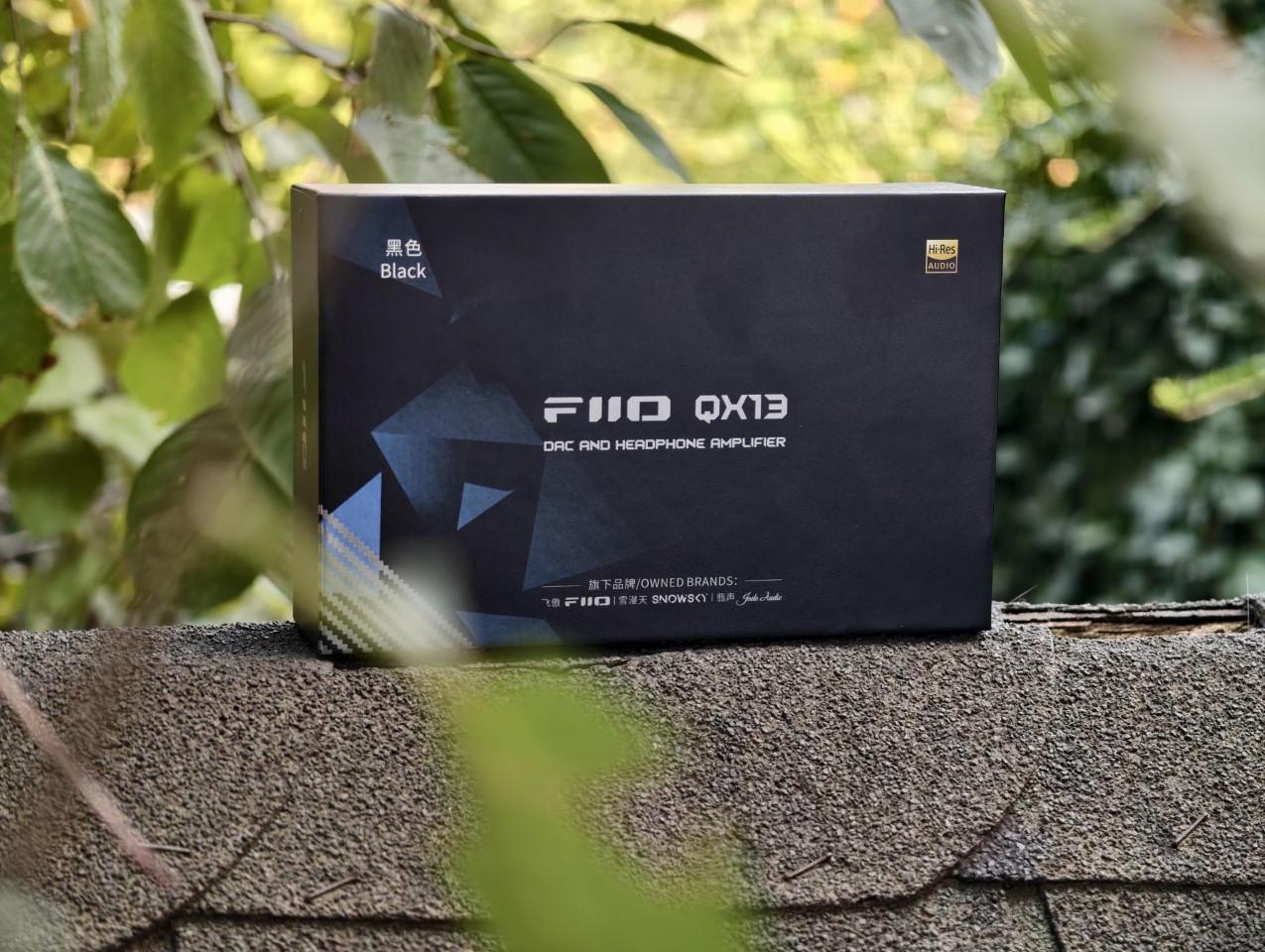
Measuring 6.4cm x 1.3cm x 3cm and weighing less than 40g, the QX13 takes in digital data via a UAC 2.0 XMOS USB-C socket. That signal can be optionally processed via an on-board parametric EQ – accessible via FiiO’s Android app or web interface – before being handed off to an 8-channel fully differential ESS Labs 9027SPRO chip. Support for native decoding of DSD512 is part of the deal.
FiiO QX13 features a patented Desktop Mode, intelligently regulating power and gain based on your USB source. The built-in high-precision power meter evaluates USB power supply capabilities and optimises output accordingly. In this mode, QX13 achieves full-size amp-level performance while keeping heat and power consumption impressively low.
Six TI op-amps promise up to 570mW (900mW in desktop Mode) from the 4.4mm balanced socket or 250mW from the single-ended 3.5mm socket. That’s into 32 Ohms.
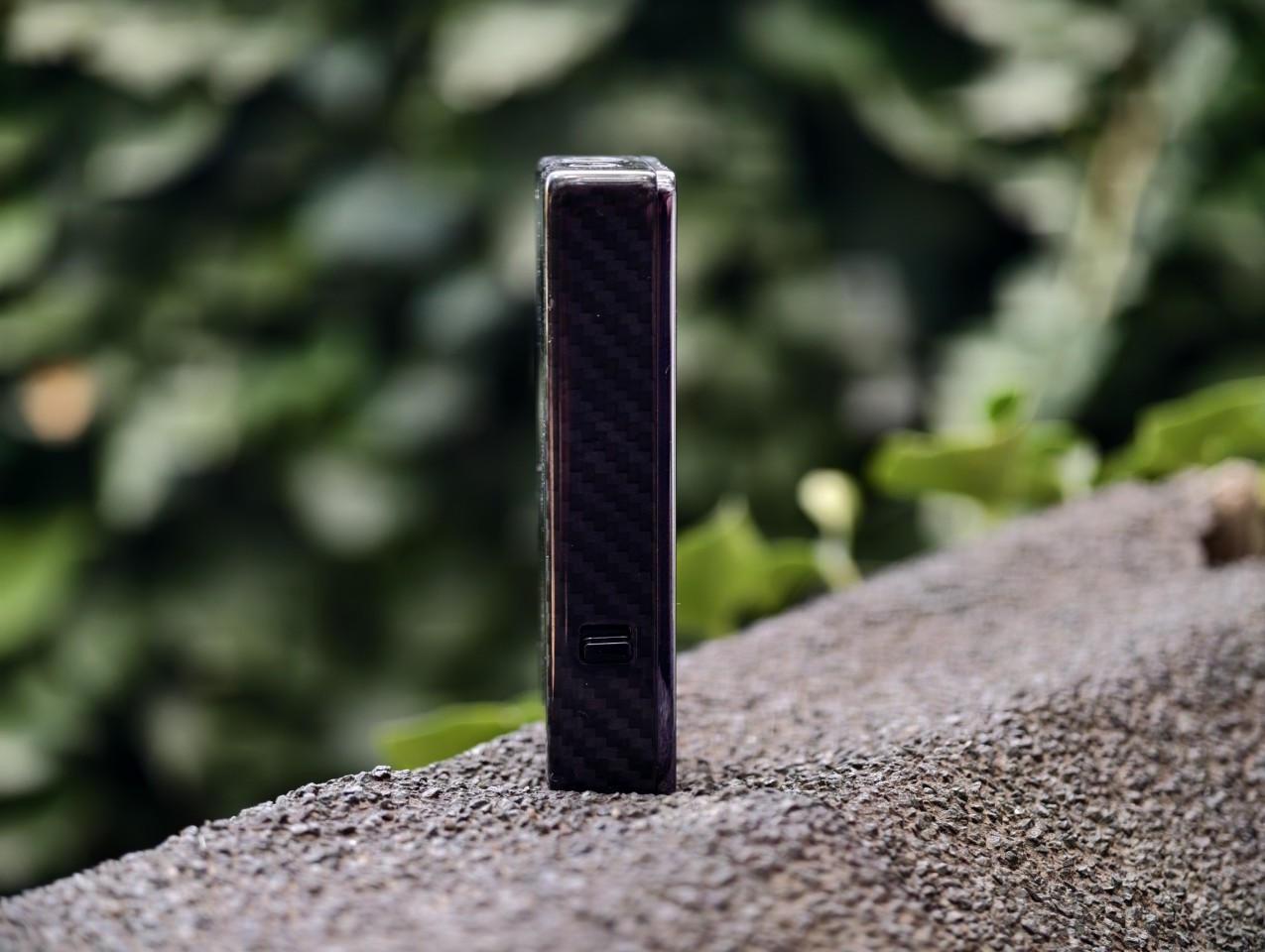
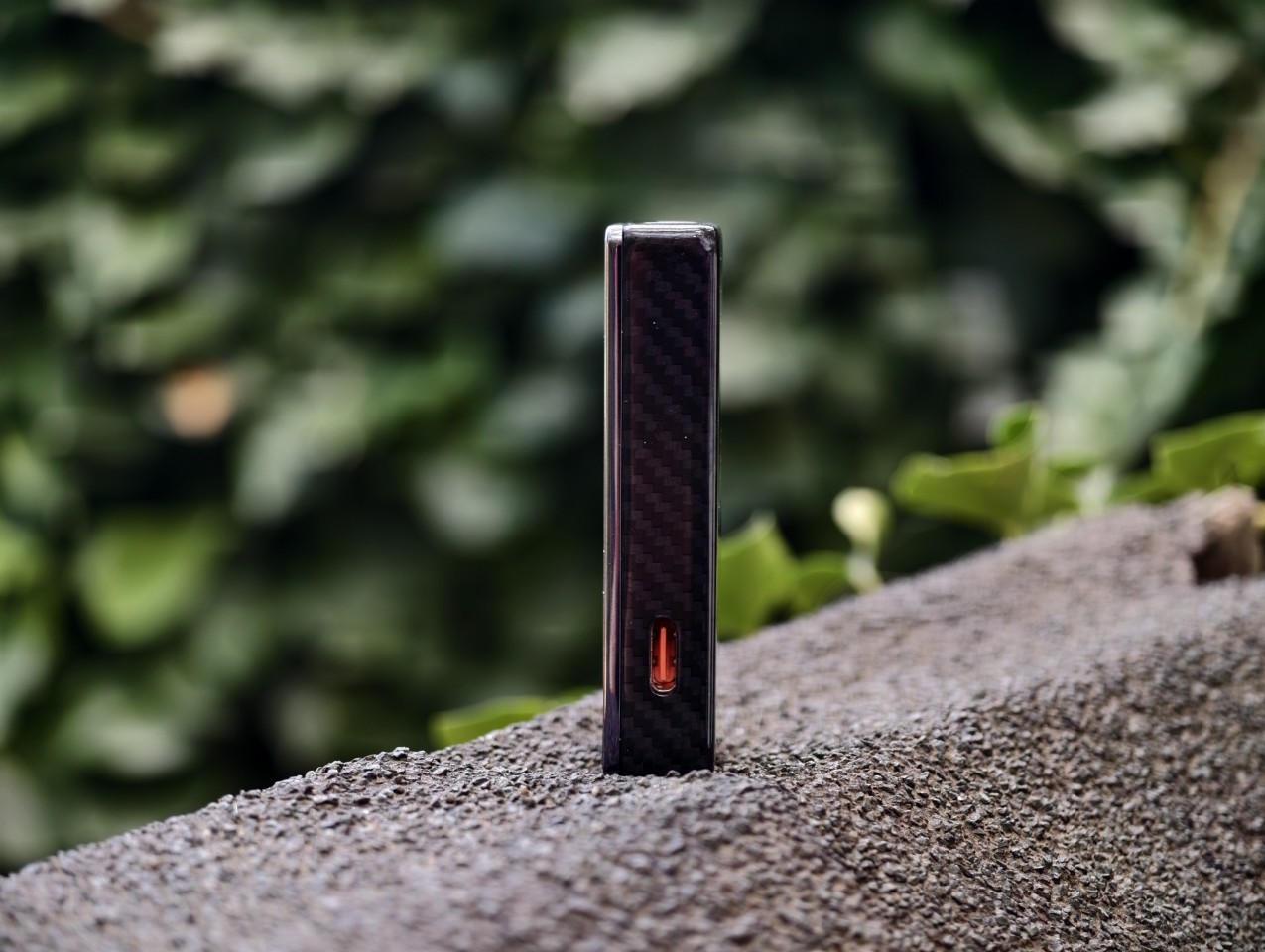
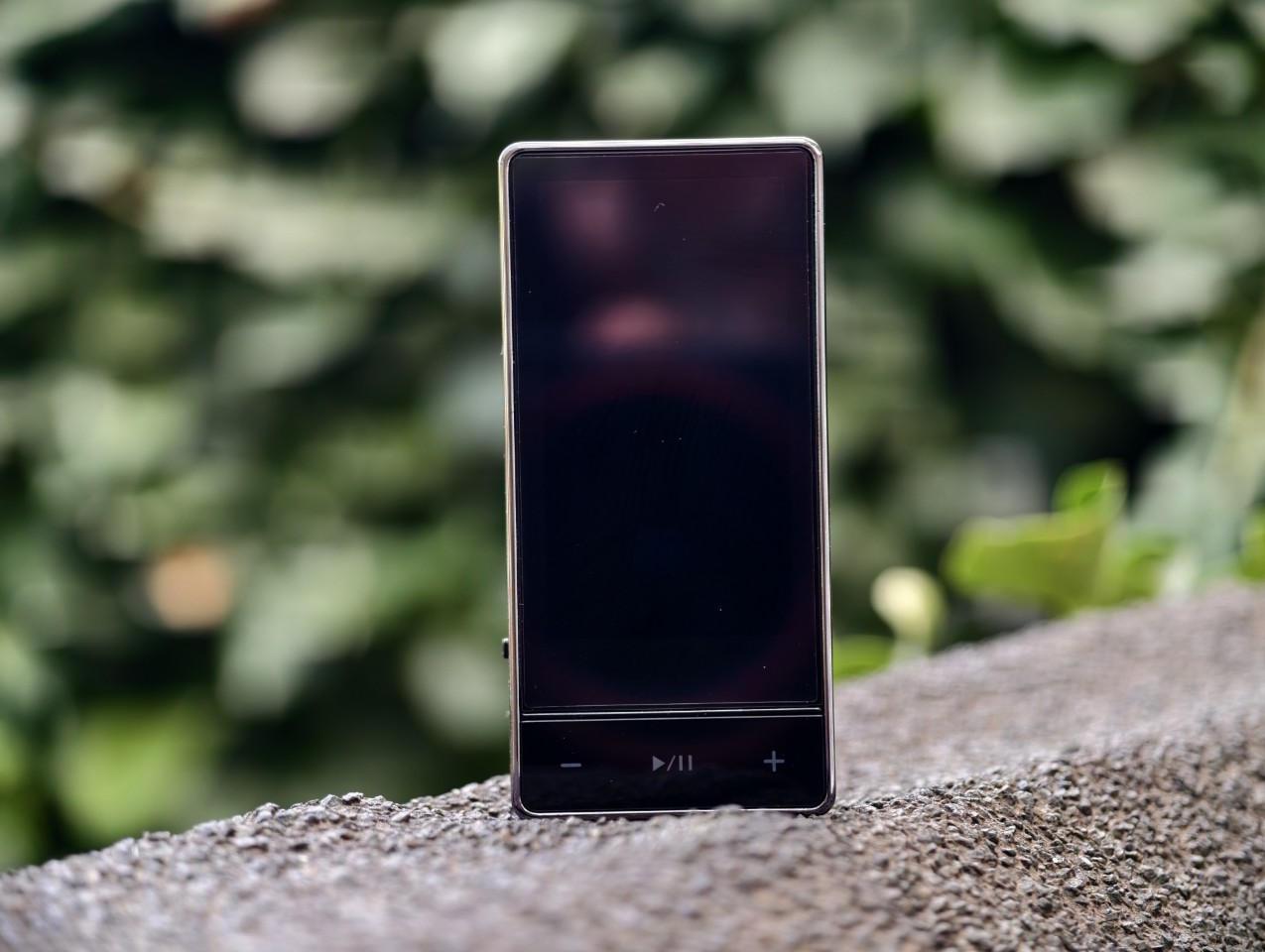
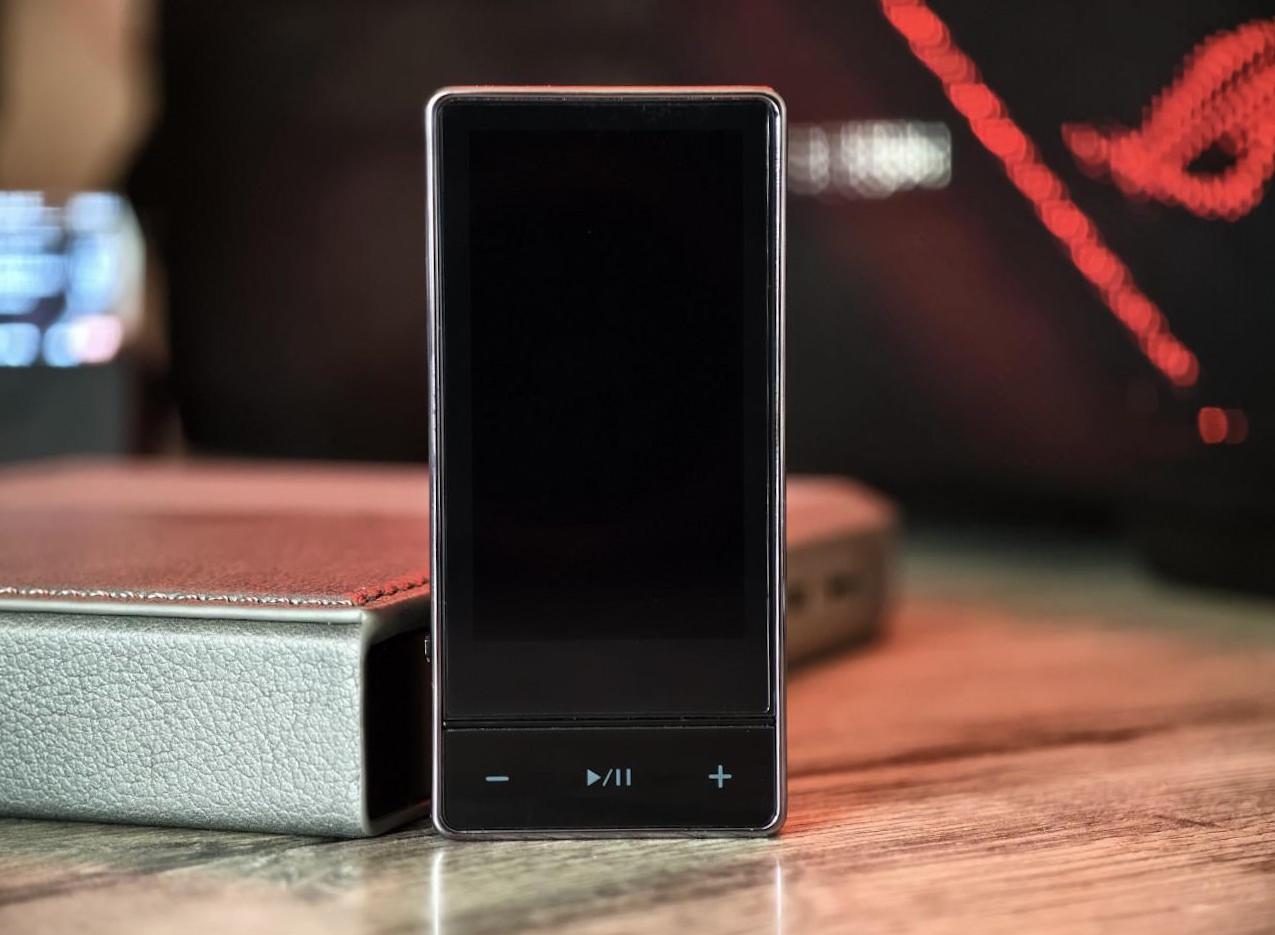
According to FiiO, the QX13 can assess the power delivery capabilities of various USB sources and display them on its 2″ colour screen. The screen is protected by 3rd-gen Corning glass, and its chin features control buttons for play/pause, volume up/down (with options for 60 and 120 steps), and menu system navigation — this is where we set the gain level and our preferred digital filter.
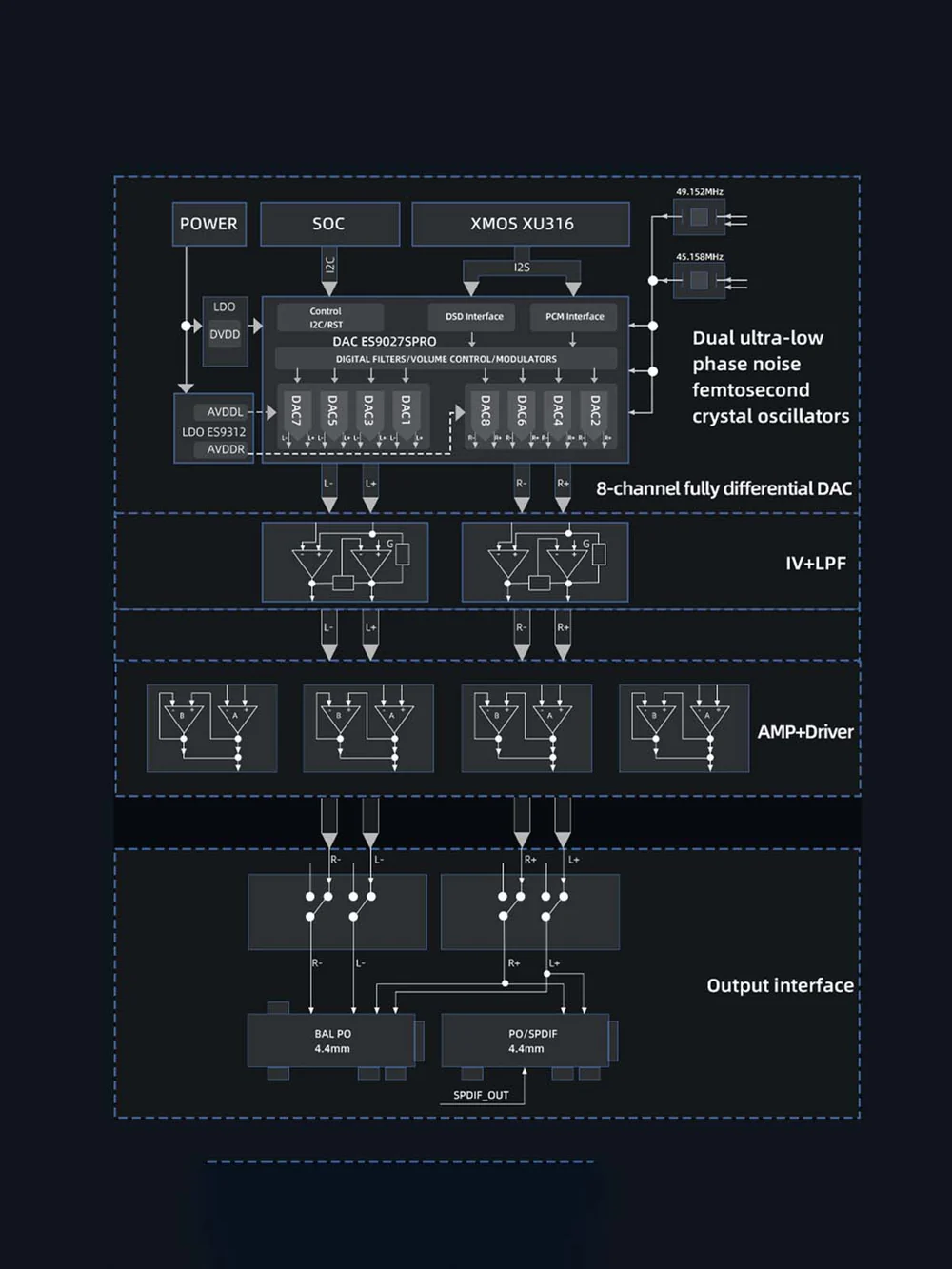
FiiO QX13 features the flagship ES9027PRO DAC chip from the ESS SABRE PRO lineup, usually reserved for high-end desktop gear. With a fully differential 8-channel design and paired with ultra-low-noise ES9312 regulators, it ensures precise output matching across channels. This setup dramatically reduces clock jitter and optimises power efficiency, resulting in accurate and lifelike sound reproduction.
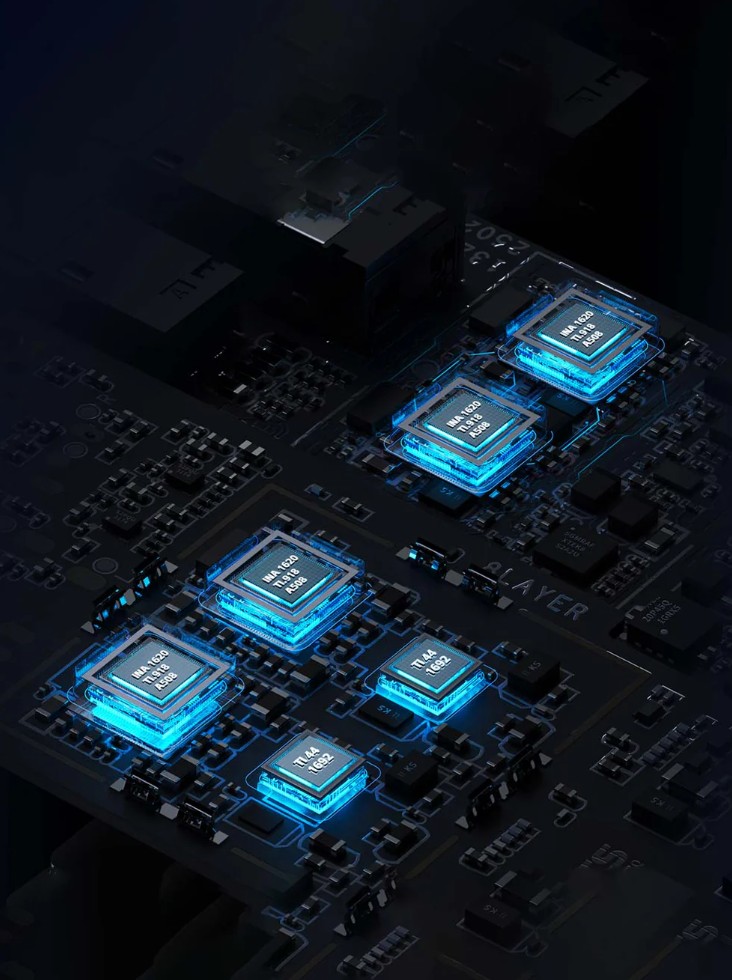
FiiO QX13 employs six high-end Texas Instruments op-amps, including four precision-integrated INA1620 chips and two OPA1692 chips. The internal layout is meticulously designed to minimise crosstalk, ensuring no channel interference even in demanding conditions.
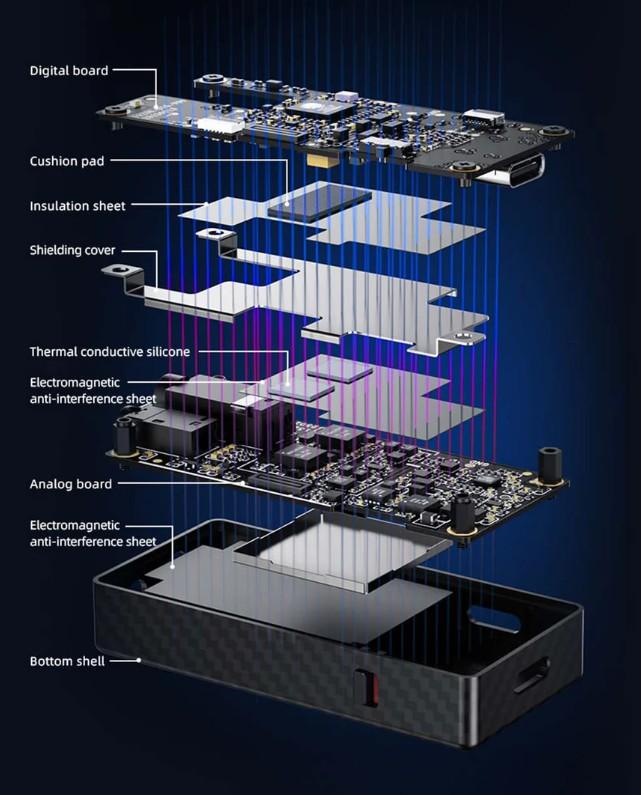
FiiO QX13 uses a digital-analogue board separation design with dedicated shielding to reduce interference and enhance thermal performance. This structure enables dynamic and accurate signal processing while keeping internal temperatures in check, ensuring consistent high-power output during extended use.
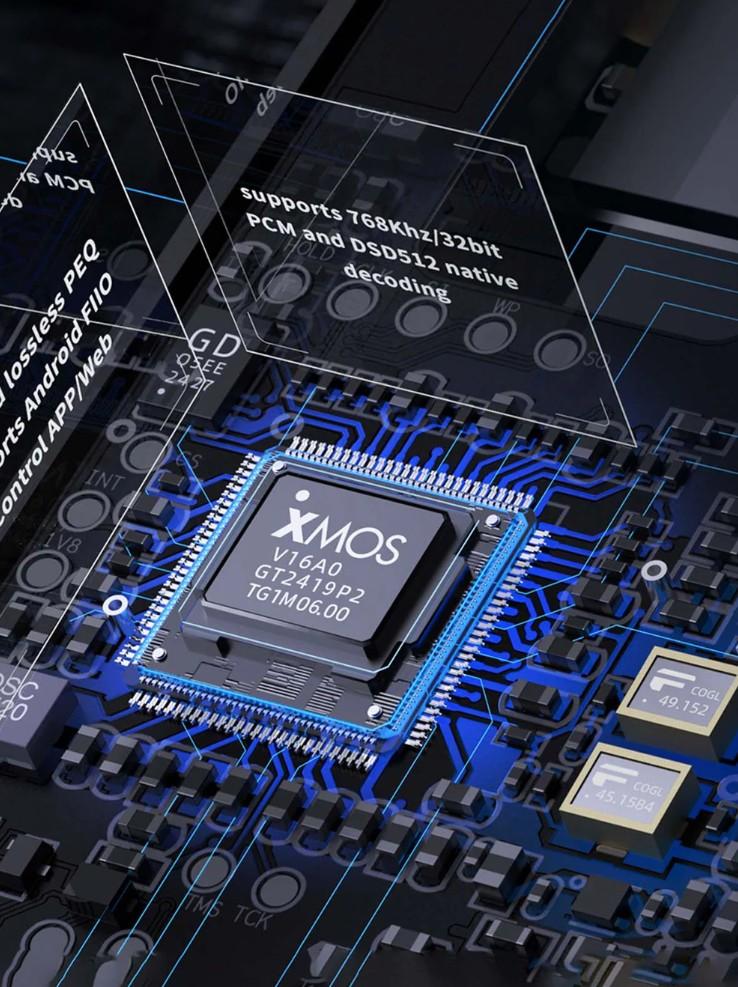
FiiO QX13 is equipped with the 16-core XMOS XU316 processor, supporting PCM up to 768kHz/32-bit and DSD512 native decoding. Dual ultra-low phase noise femtosecond crystal oscillators handle different sampling rates with high precision. A 10-band lossless PEQ, adjustable via the FiiO Control app or web interface, allows users to fine-tune their sound.
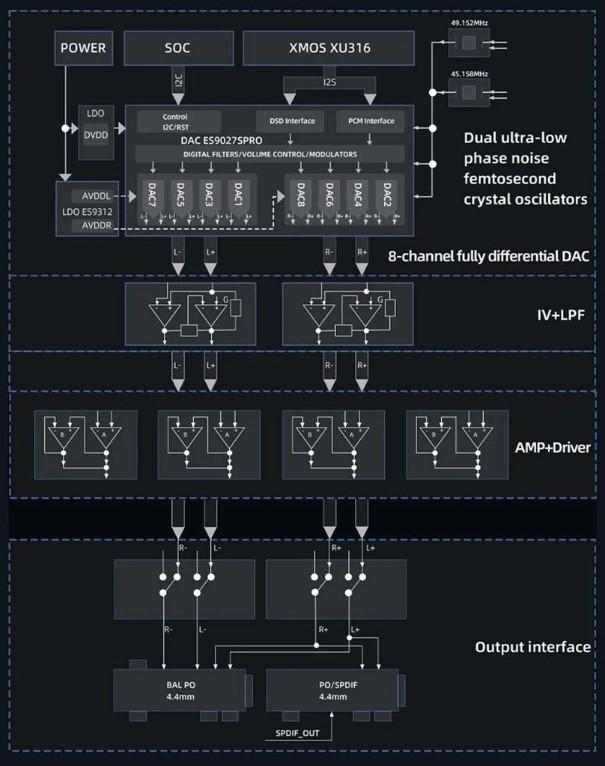
FiiO QX13 distils the complex circuitry of desktop-class DAC and headphone amplifiers into a sleek dongle-sized body. With dual crystal oscillators and multiple analogue processing stages including low-pass filtering, voltage amplification, and current boosting, the QX13 delivers sound quality that rivals professional audio systems.
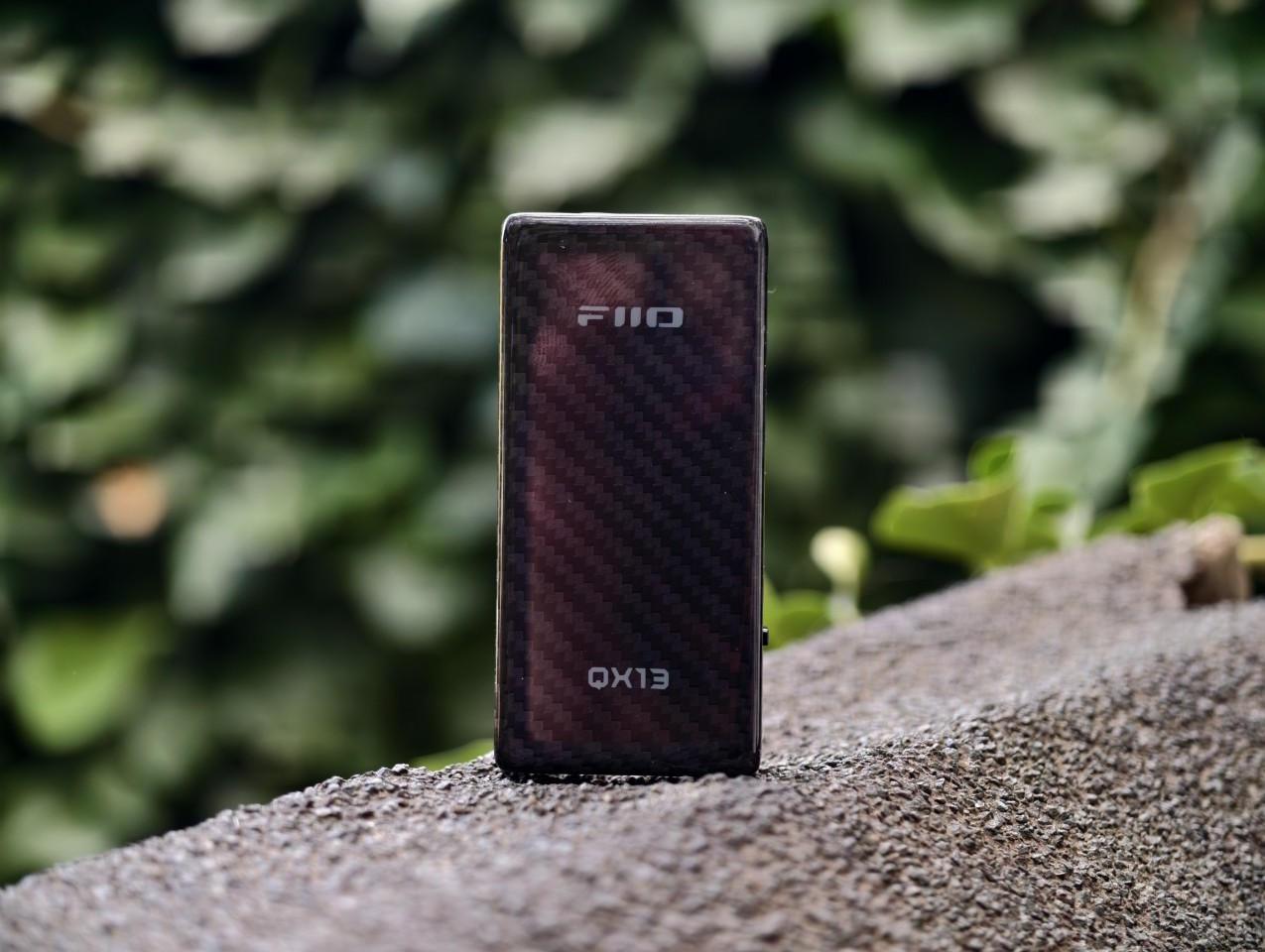
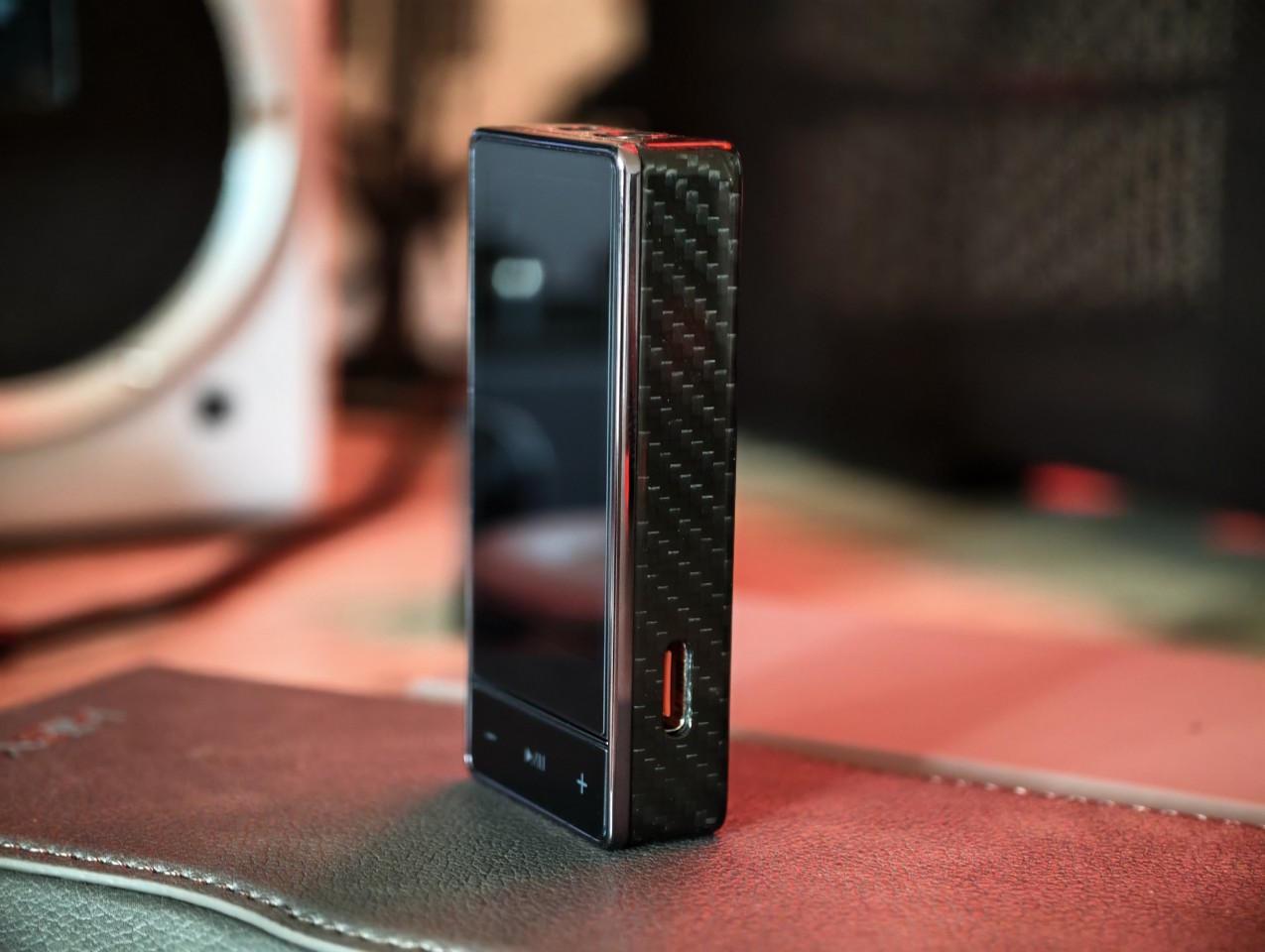
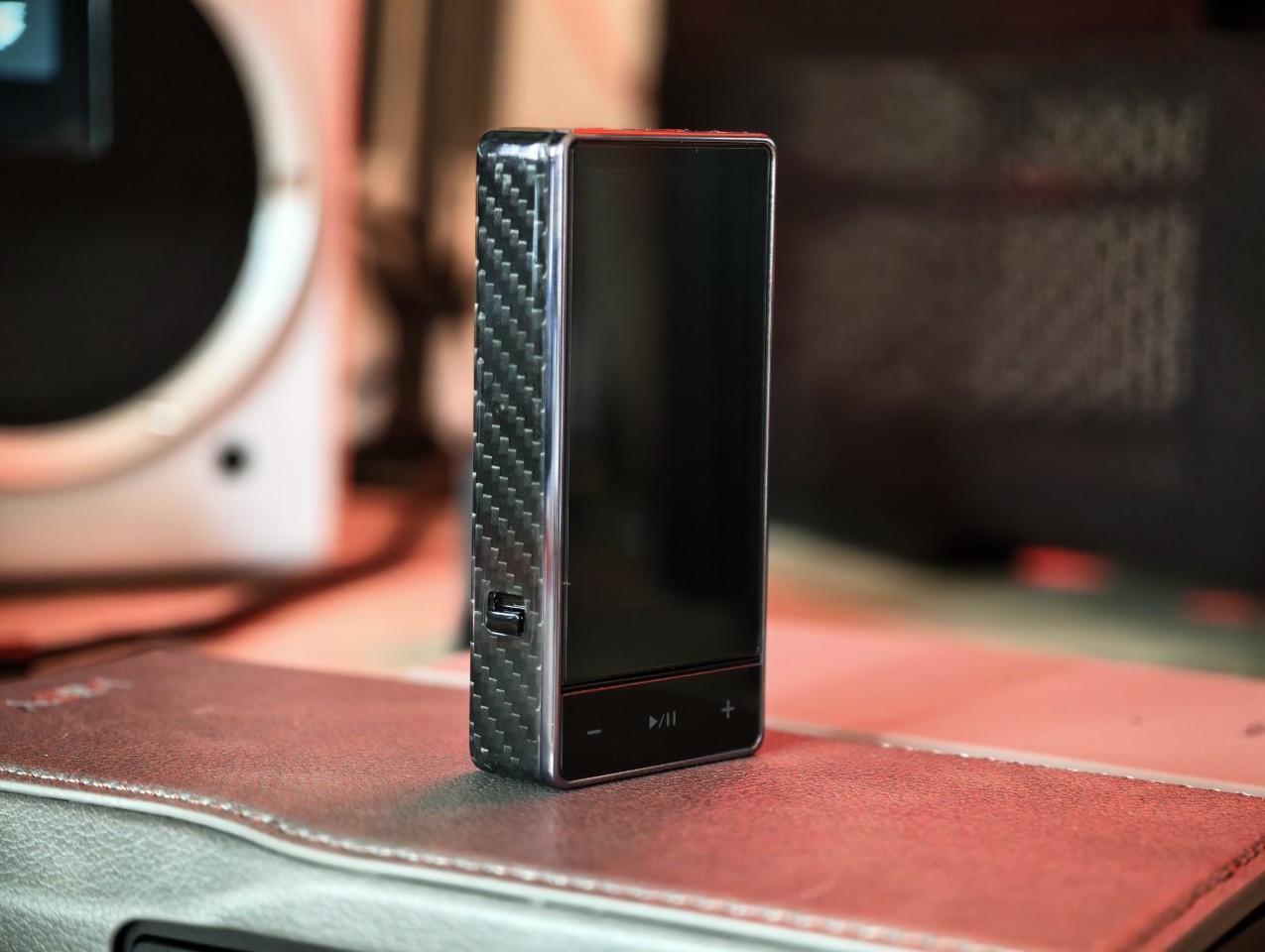
FiiO QX13 is crafted with up to 21 layers of stacked carbon fibre, offering a structure over six times stronger than steel. This provides superior durability, thermal insulation, and resistance to interference, all while maintaining a premium, textured feel. A UV varnish coating enhances visual appeal and grip. For a different aesthetic, an aluminium alloy version is also available, featuring a laser-engraved back panel.
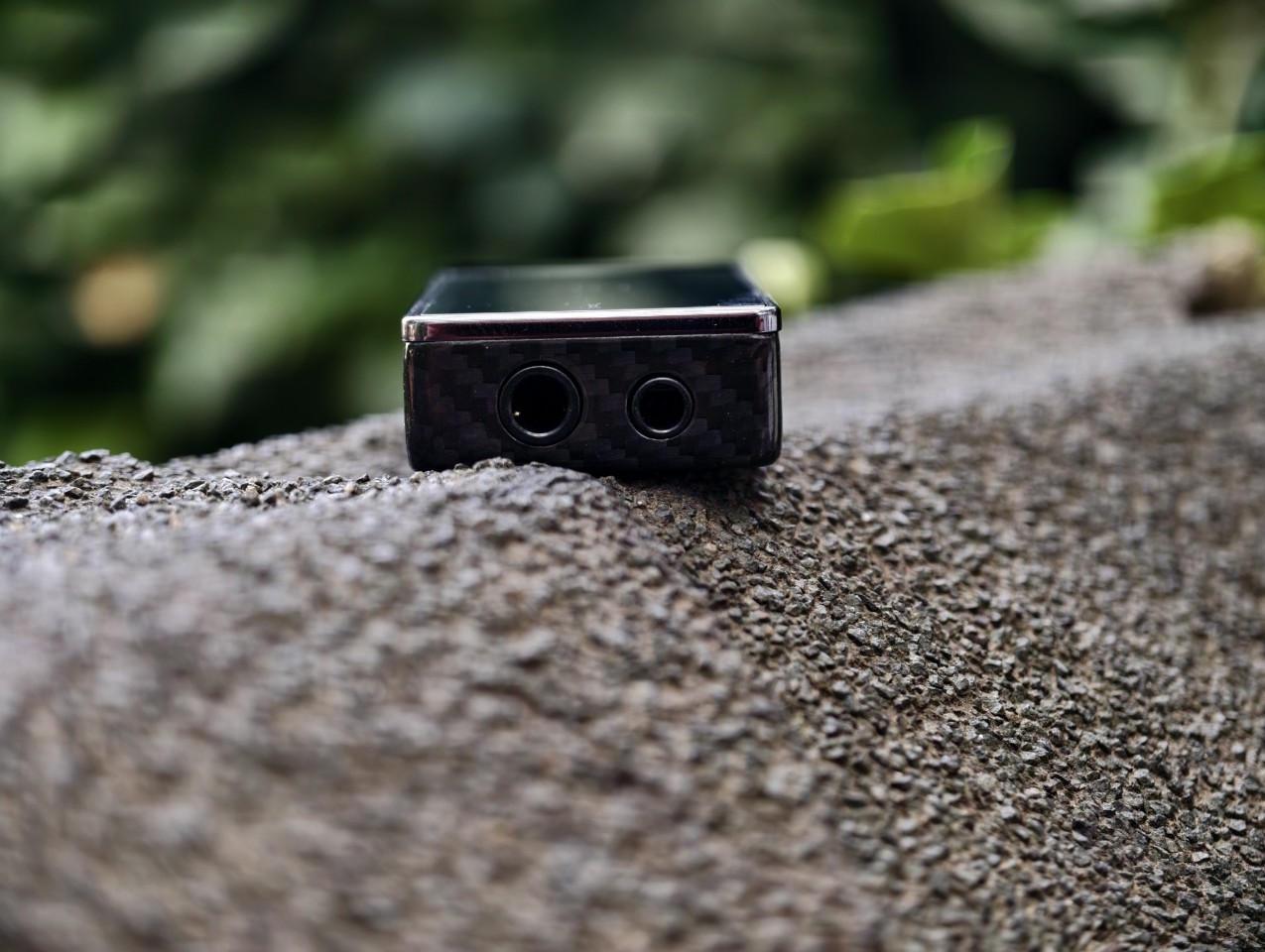
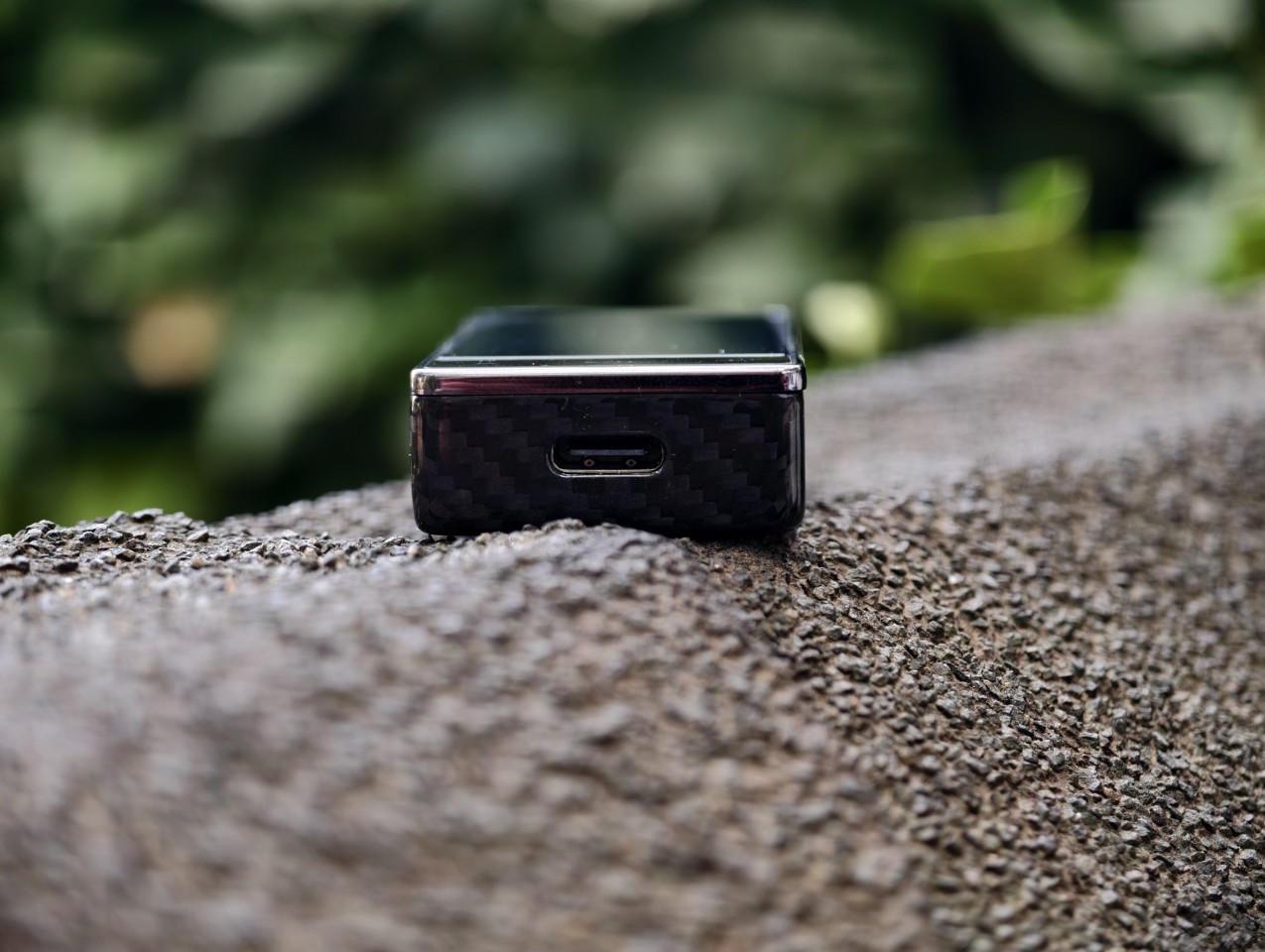
FiiO QX13 sets itself apart with a 2″ colour display protected by Corning’s third-gen high-strength glass, rare among audio dongles. Powered by a 32-bit processor, the display supports customisable UI themes and seamless transitions between portrait and landscape modes.
FiiO QX13 features a 3.5mm output that supports SPDIF, and UAC1.0 mode allows compatibility with Switch, PS5, and other consoles. It also supports COAXIAL output, Android FiiO Control App/Web, DC output regulation, and adjustable volume in 60-step or 120-step scales.
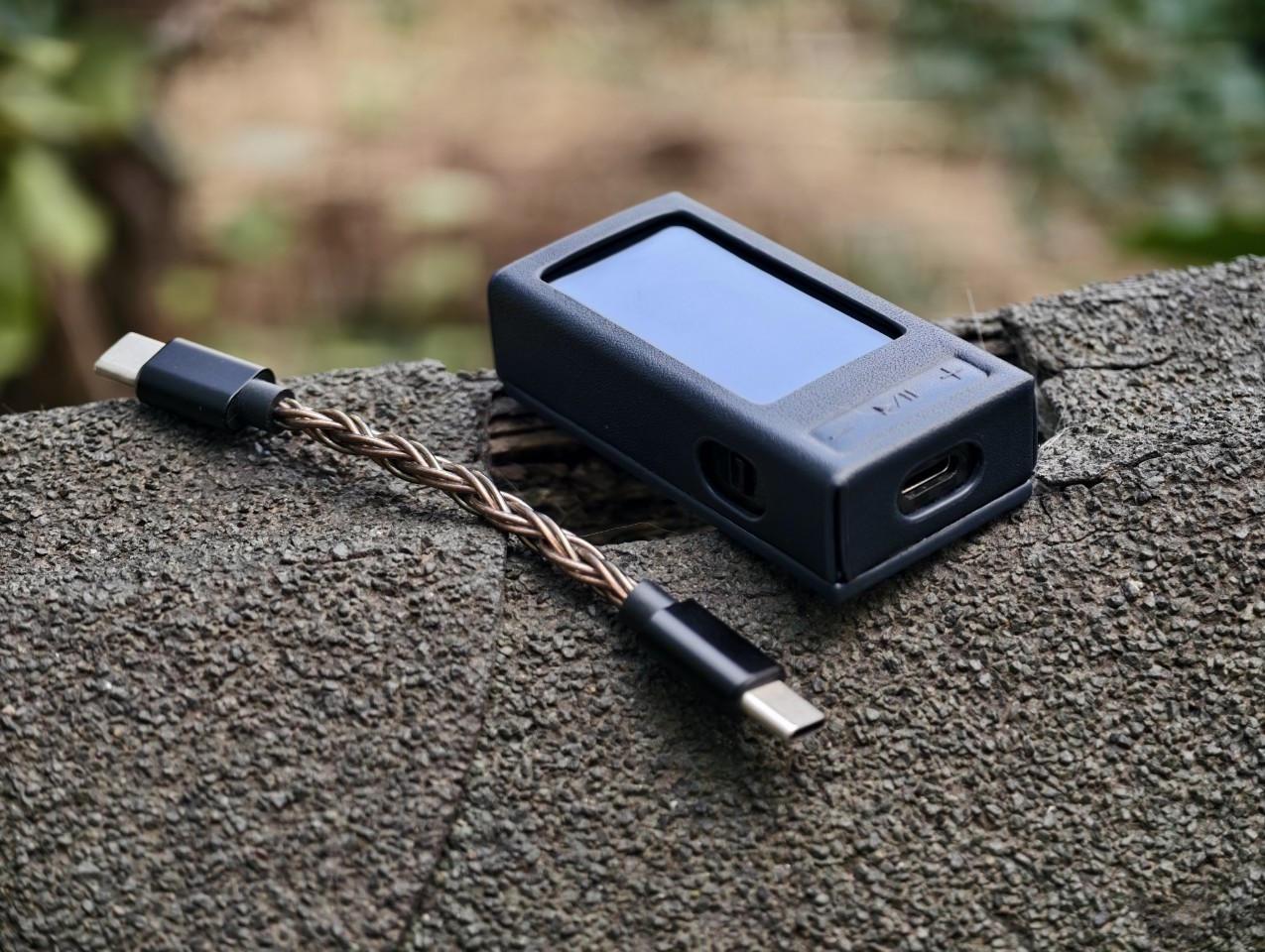
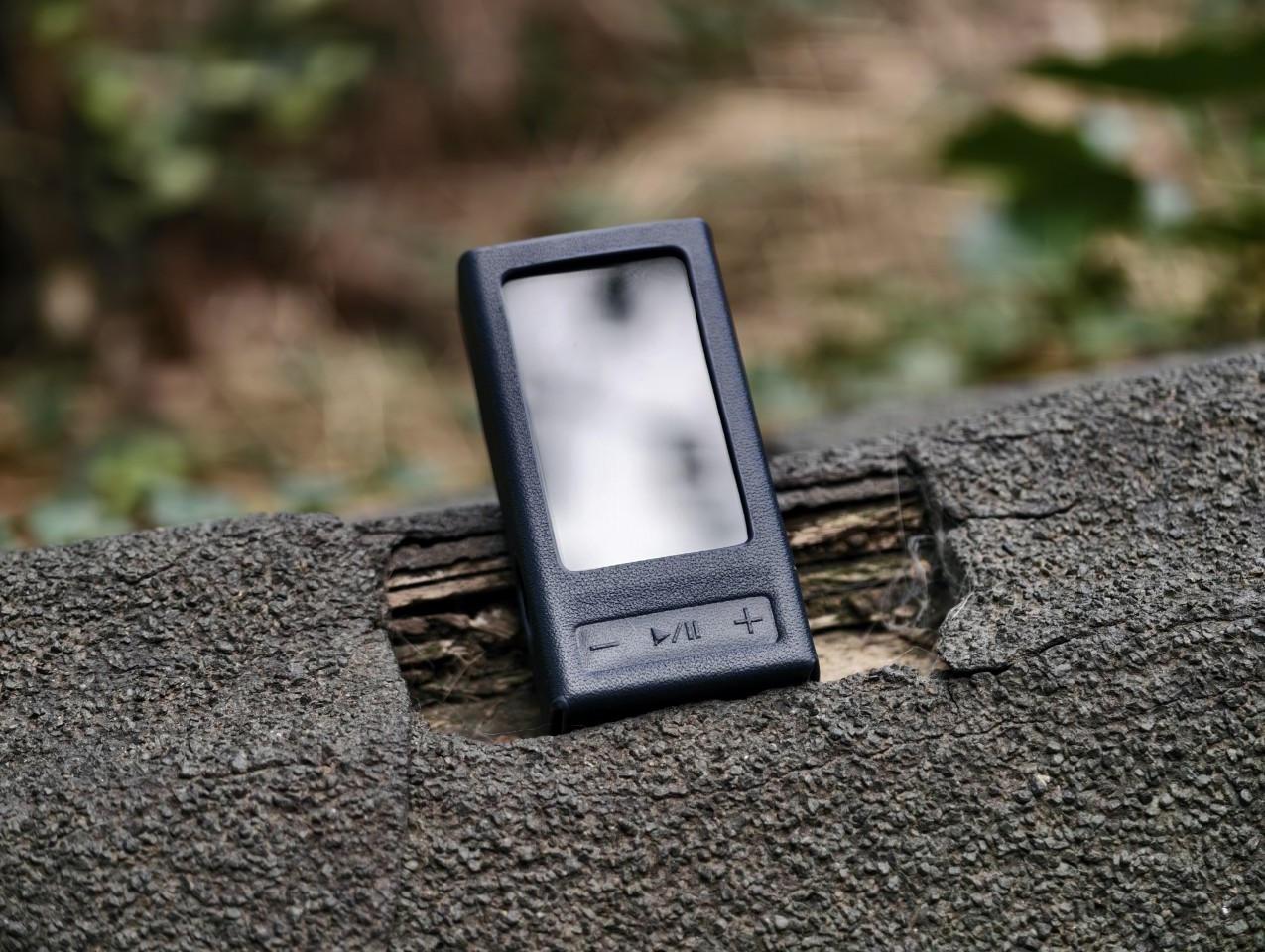
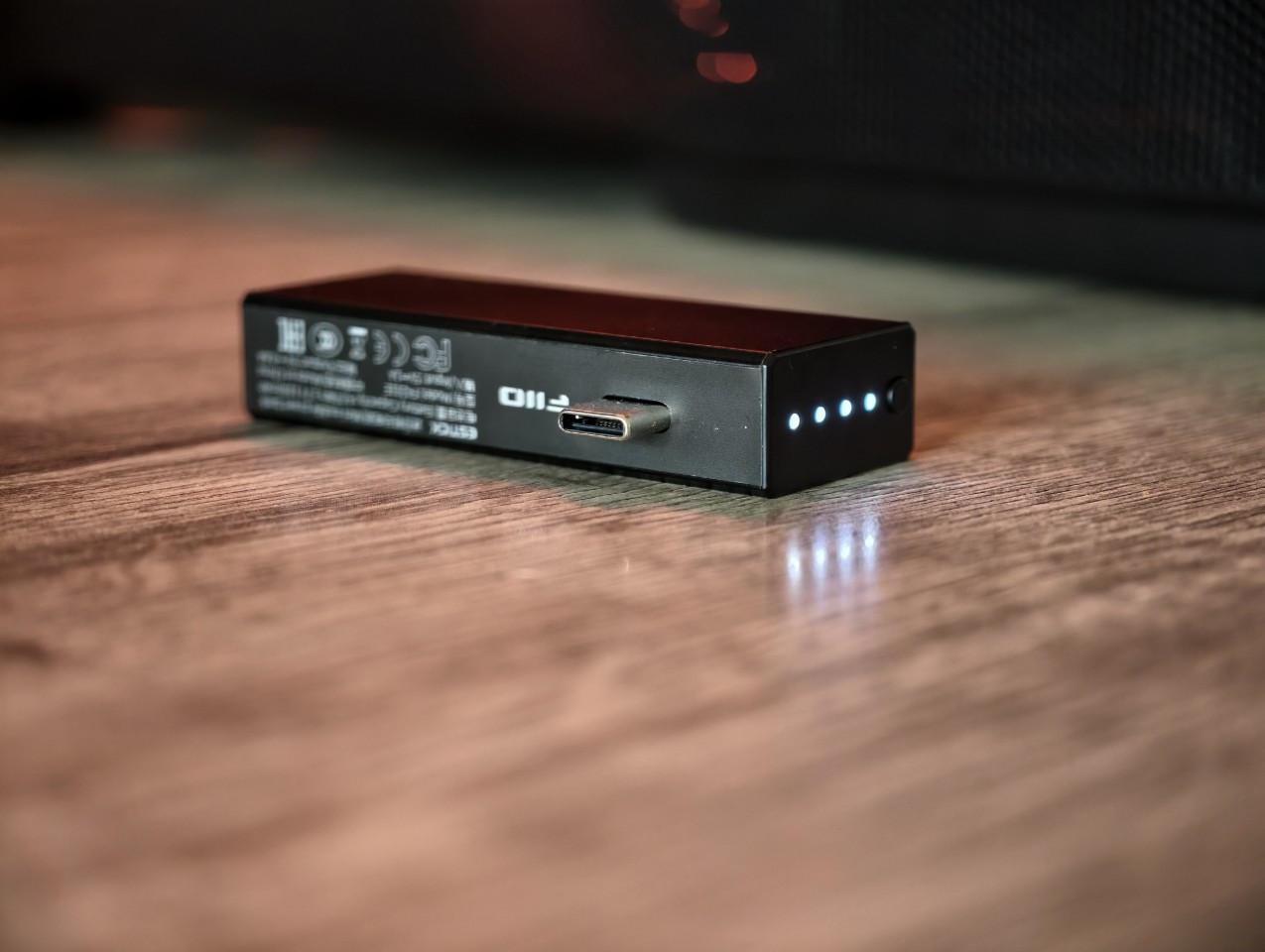
The front Type-C port can be used for data transfer and power supply, and the side Type-C port can be used as an external dedicated power supply port. With features like temperature regulation and max volume limit, the QX13 is built for total flexibility and control.
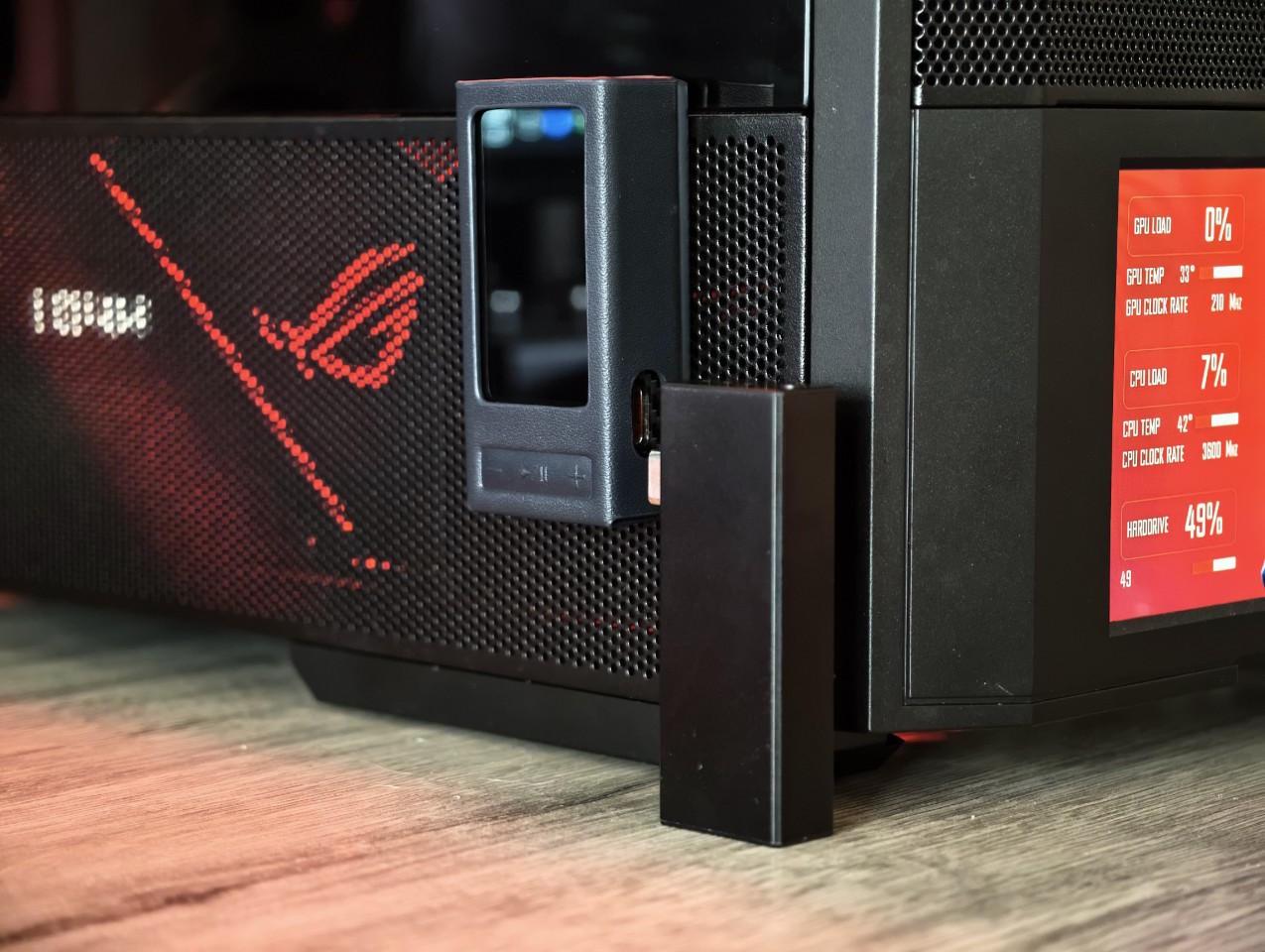
FiiO QX13 includes a magnetic leather case that perfectly aligns with iPhones and a magnetic ring for Android compatibility. It also comes with a high-quality 8-strand decoding cable, six strands of monocrystalline copper plus two silver-plated strands for pure, high-fidelity sound. Compatible with ESTICK mini power banks, the QX13 creates a portable, mini desktop-grade audio system on the go.
In The Box
- FiiO QX13 portable DAC/amp
- Leather case
- Type-C to C data cable
- Type-C silicon plug (pre-installed)
- Screen protector film
- Ring-shaped magnetic conductor
- Quickstart guide
- Warranty card
| Specifications | |||
| Name/Model | QX13 | Hardware solution | DAC: ES9027SPRO*1, USB decoding: XU316, Amplifier: INA1620*4 |
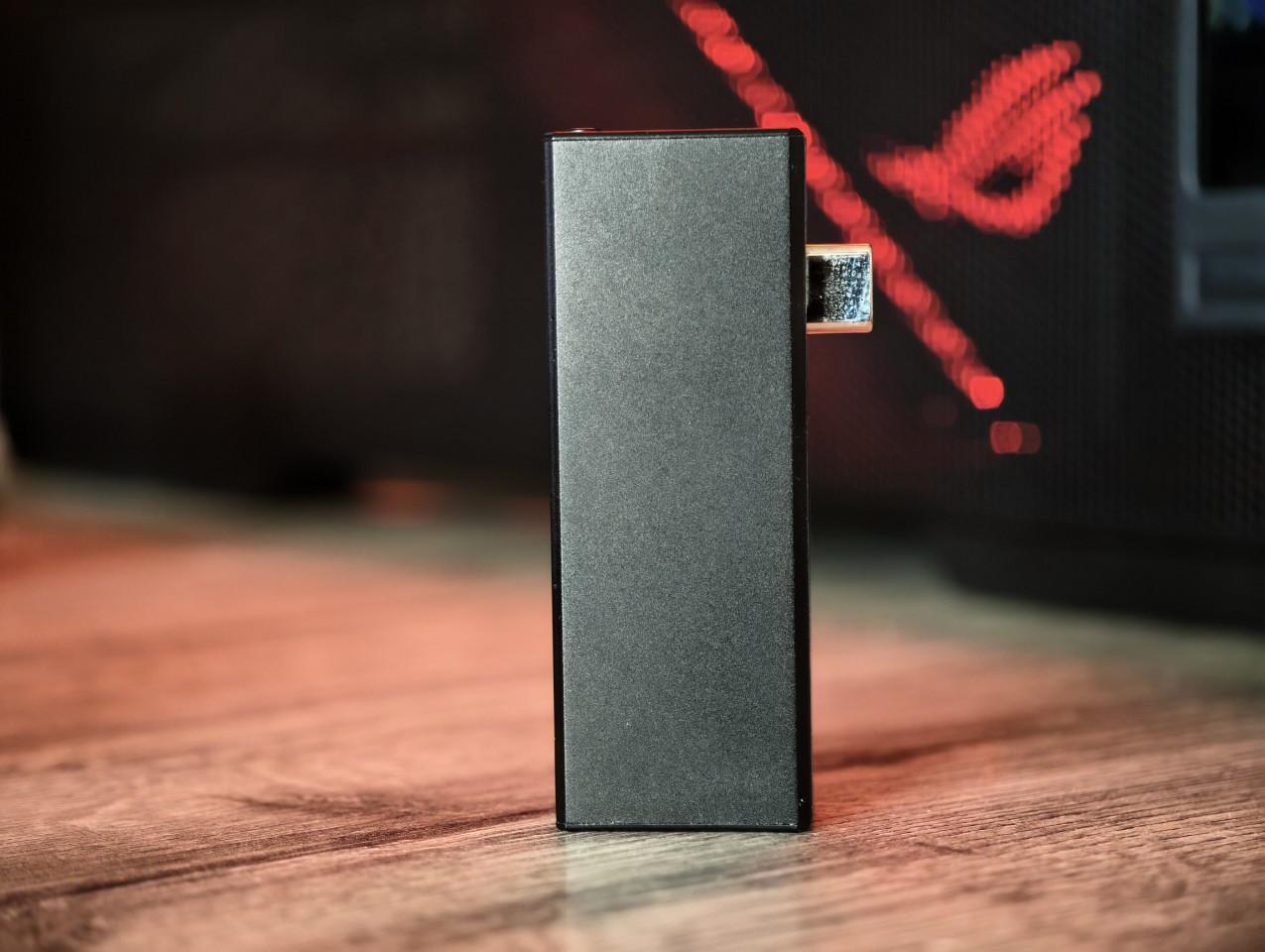
| Color | Black (carbon fiber)/Titanium gold (aluminium alloy) | Weight | About 33.7g (carbon fiber)/About 39.2g (aluminium alloy) |
| Dimensions | About 64.2×30.7x13mm | Volume control | Physical buttons |
| Display | 1.99-inch (170*320) LCD | Recommended headphone impedance | PO: 8~350Ω |
| Gain | H/L | BAL: 8~350Ω | |
| Buttons and Ports | |||
| Buttons | Volume button*2+Play/Pause button*1 | USB | Type-C USB2.0 (power supply/data transmission)+Type-C USB POWER IN
(orange, power supply/OTA upgrade) |
| Slide switch | Desktop mode switch*1 | Balanced output port | Standard 4.4mm port |
| Headphone output | Standard 3.5mm port | Coaxial output port | Standard 3.5mm port (shared PO) |
| Special Function | |||
| Desktop mode | Supported | Status indication | The display screen indicates the transmission format, volume level, gain level, USB mode, sampling rate, current display, etc. |
| EQ adjustment | 10-band dynamic EQ adjustment (±12dB), built-in eight preset EQ styles, supports user-defined EQ | MQA | Support MQA full decoding |
| Screen rotation | Supported | Charging setting | Supports charging the mini POWER supply
ESTICK through the POWER IN port |
| Max. supported sampling rate | USB DAC: Supports up to 768kHz/32bit; DSD512 (Native) | Firmware upgrade | Supports USB-OTA upgrade |
| Coaxial output: Supports up to 96kHz/24bit | |||
| Power Supply Parameters | |||
| Power supply | DC 5V ≥ 1A | ||
| Audio Parameters | |||
| Performance and parameters of headphone output (3.5mm out, USB decoding, desktop mode, high gain) | |||
| Output power | L+R≥440mW+440mW (16Ω, THD+N<1%) | Output impedance | <1Ω |
| L+R≥310mW+310mW (32Ω, THD+N<1%) | Crosstalk | ≥77dB | |
| L+R≥40mW+40mW (300Ω, THD+N<1%) | Peak output voltage | 9.8Vp-p | |
| SNR | ≥124dB (A-weighted) | THD+N | <0.0004% (1kHz/-2dB@32Ω) |
| Frequency response | 20Hz~90kHz: attenuation<2.8dB | Noise floor | <2uV (A-weighted) |
| 20Hz~20KHz: attenuation<0.07dB | |||
| Performance and parameters of headphone output (4.4mm out, USB decoding, desktop mode, high gain) | |||
| Output power | L+R≥480mW+480mW (16Ω, THD+N<1%) | Output impedance | <1.5Ω |
| L+R≥900mW+900mW (32Ω, THD+N<1%) | Crosstalk | ≥113dB | |
| L+R≥125mW+125mW (300Ω, THD+N<1%) | Peak output voltage | 17.5Vp-p | |
| SNR | ≥124dB (A-weighted) | THD+N | <0.0006% (1kHz/-8dB@32Ω) |
| Frequency response | 20Hz~70kHz: attenuation<2.8dB | Noise floor | <3.4uV (A-weighted) |
| 20Hz~20KHz: attenuation<0.07dB | |||
| Performance and parameters of headphone output (3.5mm out, USB decoding, non-desktop mode, high gain) | |||
| Output power | L+R≥370mW+370mW (16Ω, THD+N<1%) | Output impedance | <1Ω |
| L+R≥250mW+250mW (32Ω, THD+N<1%) | Crosstalk | ≥75dB | |
| L+R≥30mW+30mW (300Ω, THD+N<1%) | Peak output voltage | 8.7Vp-p | |
| SNR | ≥123dB (A-weighted) | THD+N | <0.0004% (1kHz/-2dB@32Ω) |
| Frequency response | 20Hz~90kHz: attenuation<2.8dB | Noise floor | <2uV (A-weighted) |
| 20Hz~20KHz: attenuation<0.07dB | |||
| Performance and parameters of headphone output (4.4mm out, USB decoding, non-desktop mode, high gain) | |||
| Output power | L+R≥470mW+470mW (16Ω, THD+N<1%) | Output impedance | <1.5Ω |
| L+R≥605mW+605mW (32Ω, THD+N<1%) | Crosstalk | ≥113dB | |
| L+R≥70mW+70mW (300Ω, THD+N<1%) | Peak output voltage | 13Vp-p | |
| SNR | ≥122dB (A-weighted) | THD+N | <0.0006% (1kHz/-6dB@32Ω) |
| Frequency response | 20Hz~90kHz: attenuation<2.8dB | Noise floor | <3.5uV (A-weighted) |
| 20Hz~20KHz: attenuation<0.07dB | |||
Price: $202 (Titanium Gold), $223,20 (Carbon Fiber)
Disclaimer: The FiiO QX13 was kindly provided by FiiO for review.
FiiO App
The QX13 has four themes, 2 of which are vertical and the other two are to be used horizontally.
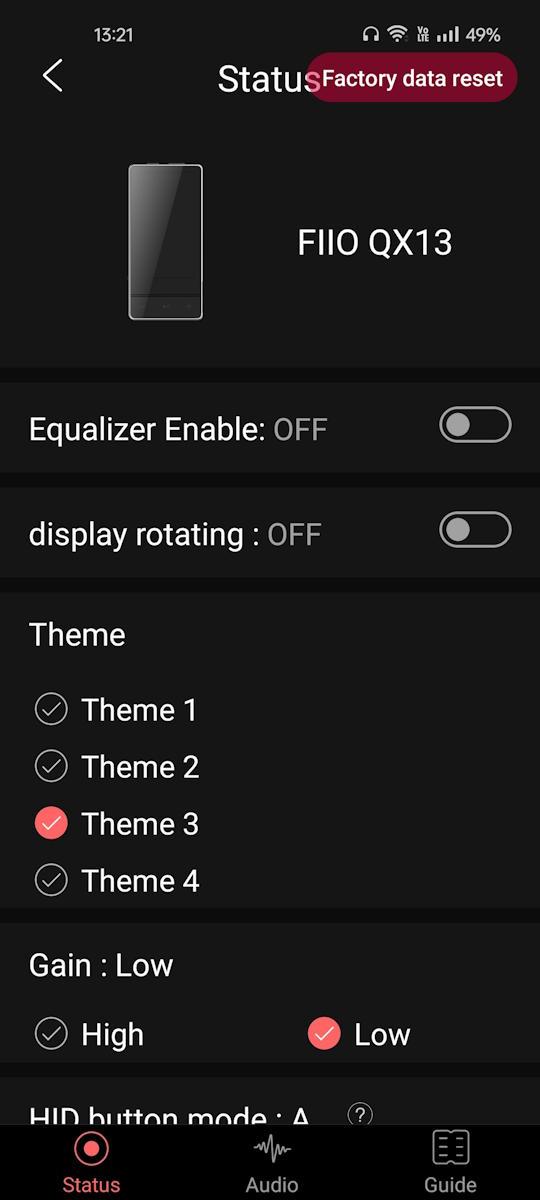
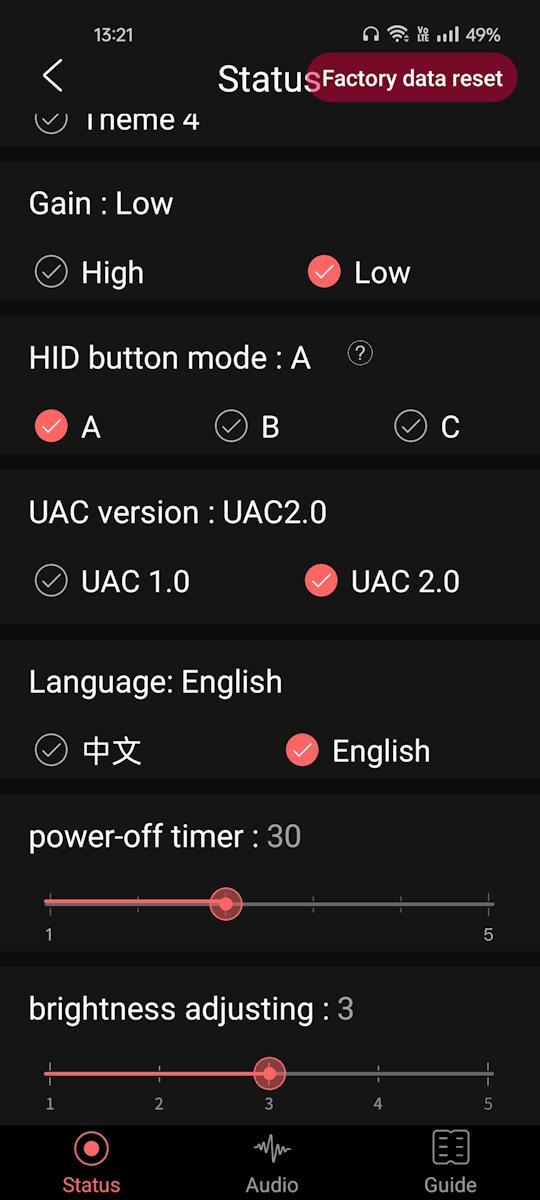
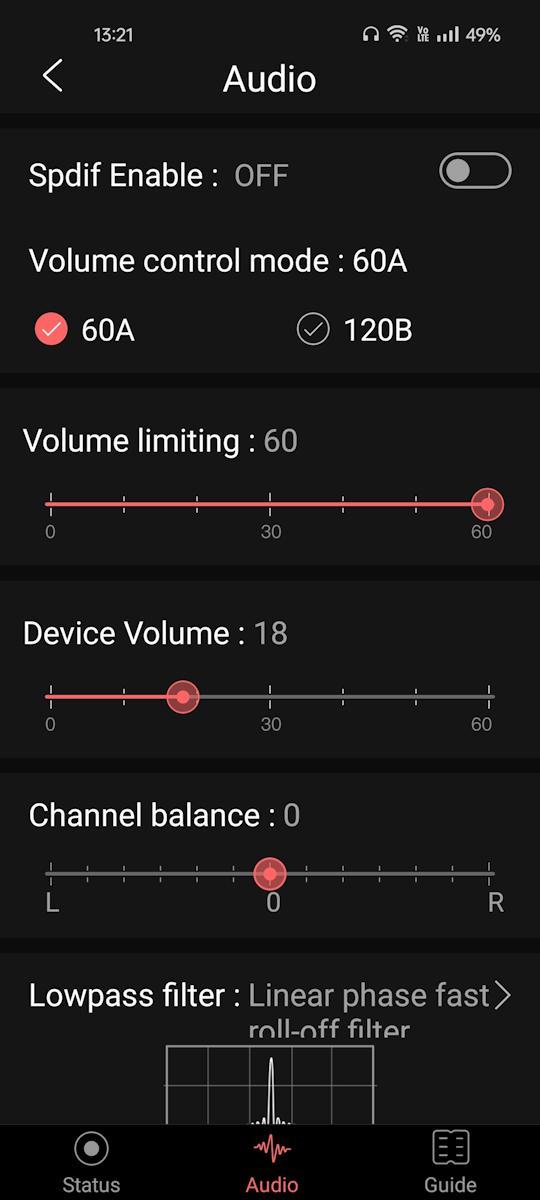
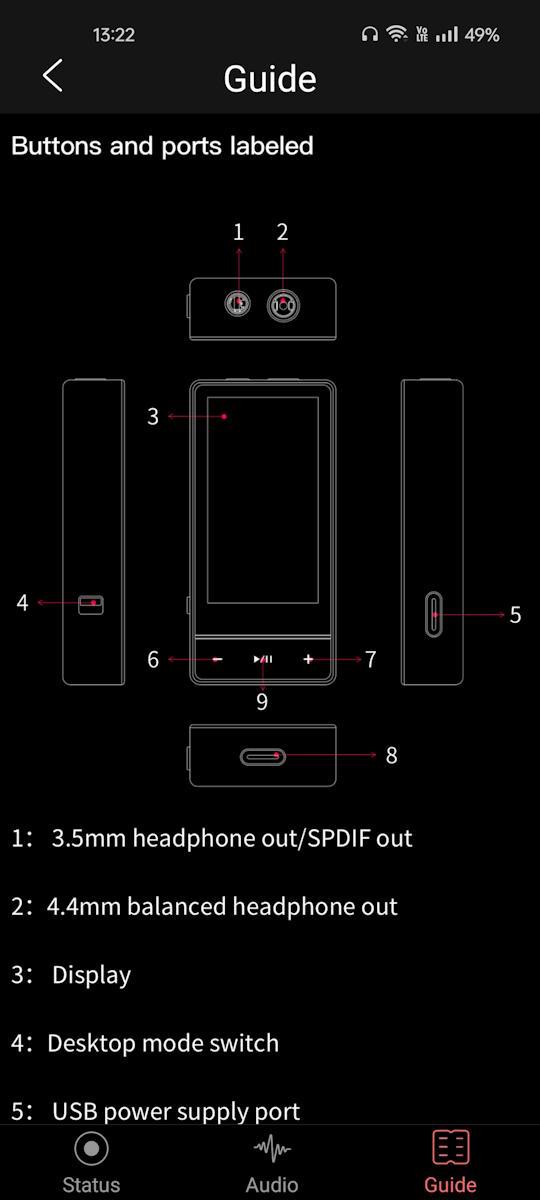
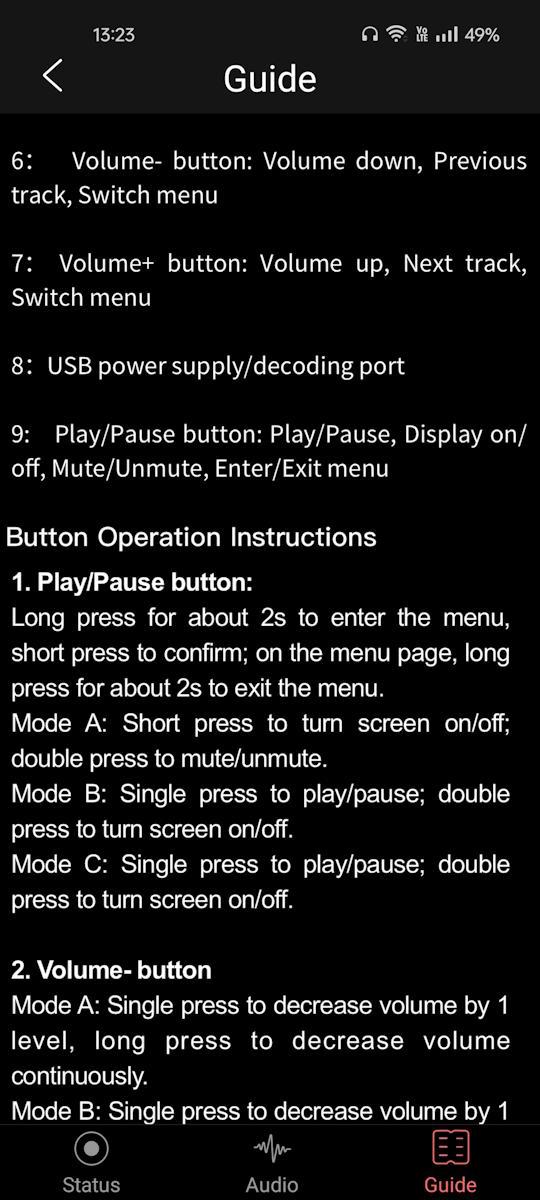
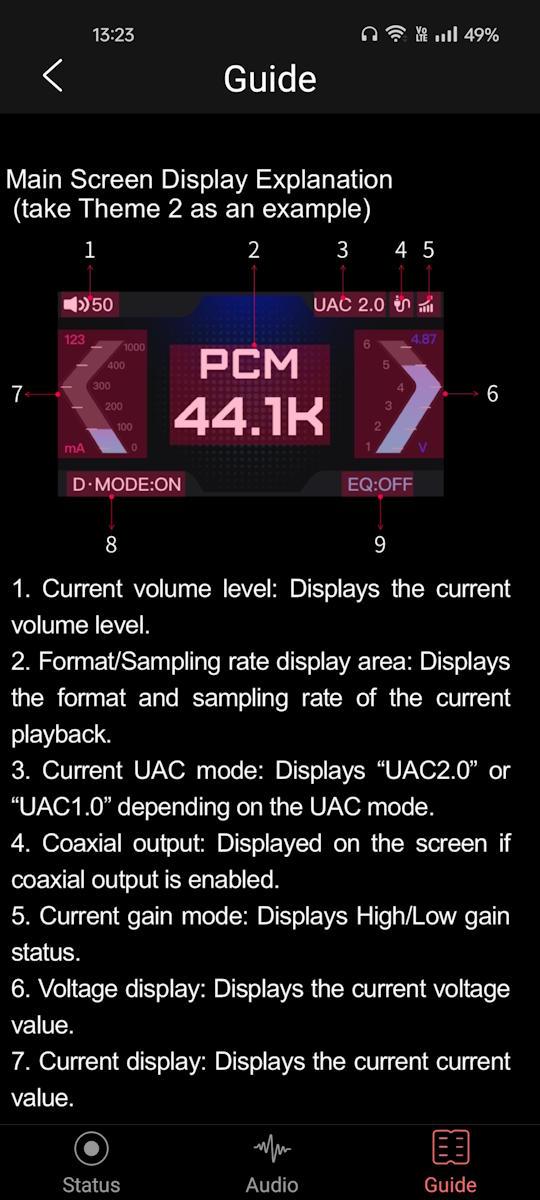
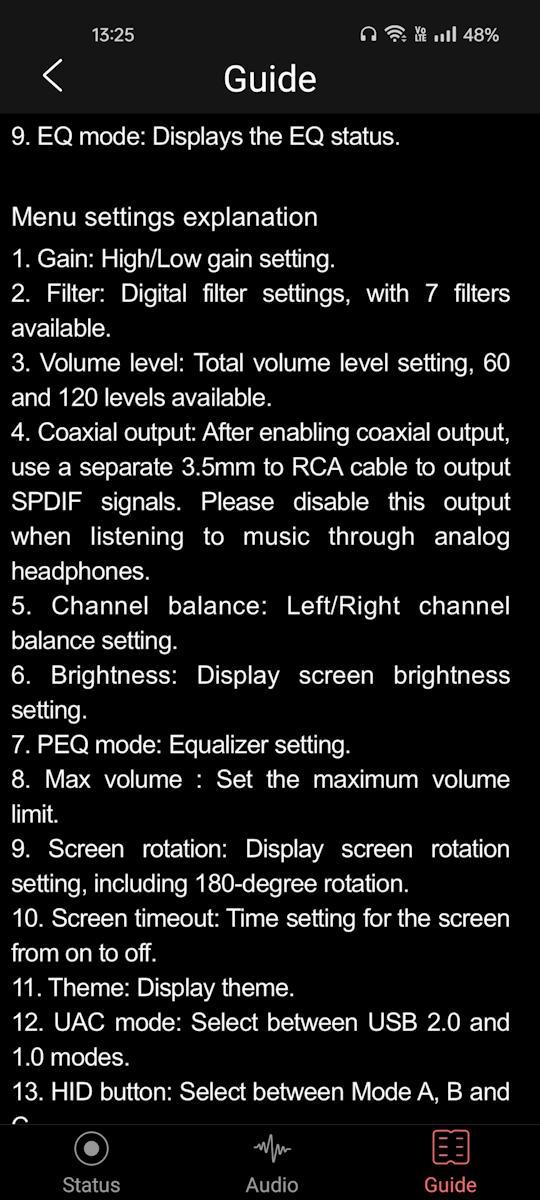
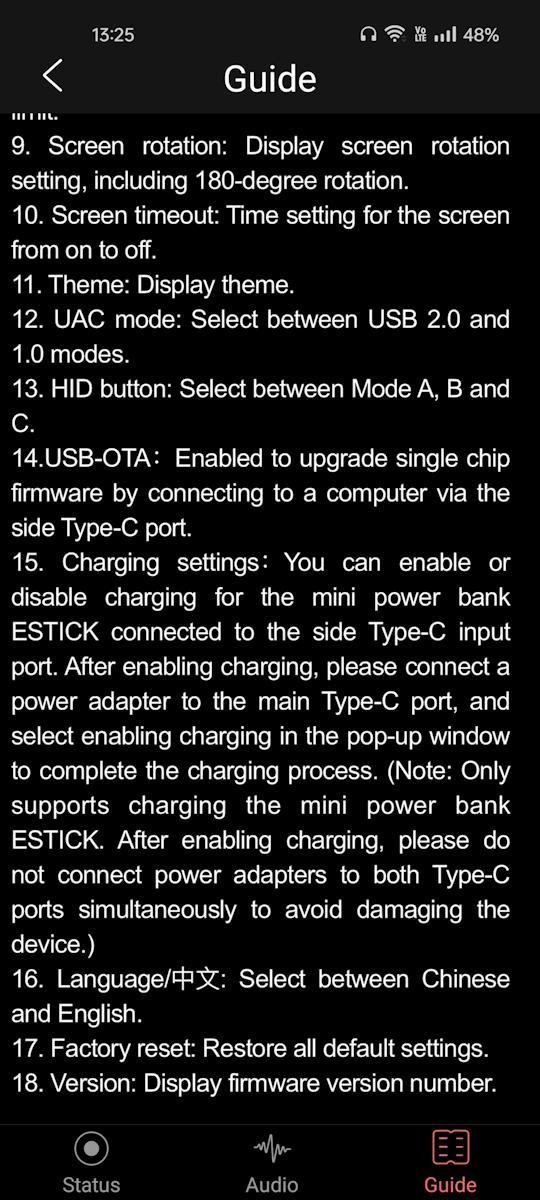
I like it that FiiO provides the full user guide in the App.
FiiO Web App (fiiocontrol.fiio.com)
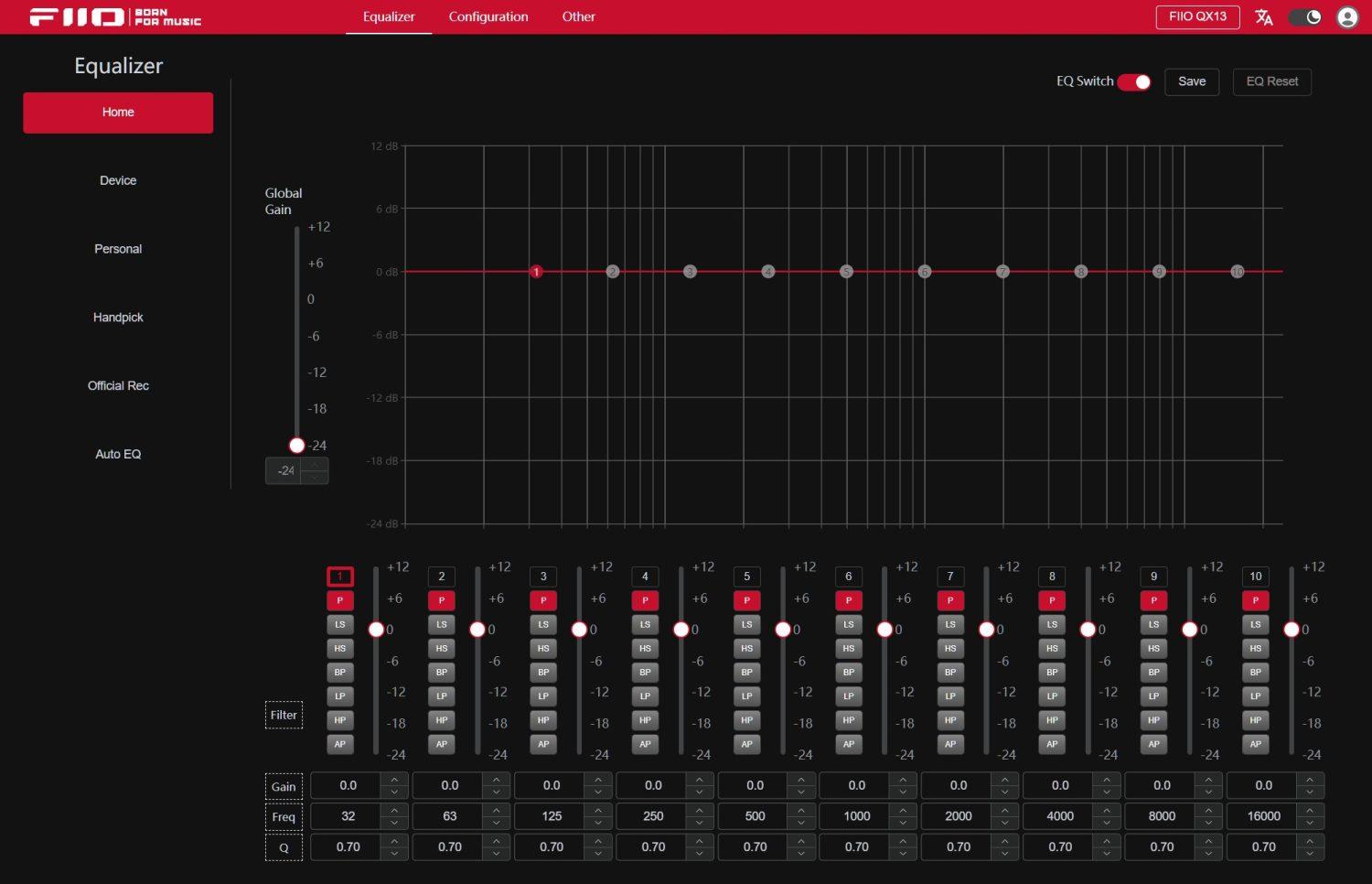
The home tab, where you can make the PEQ adjustments.
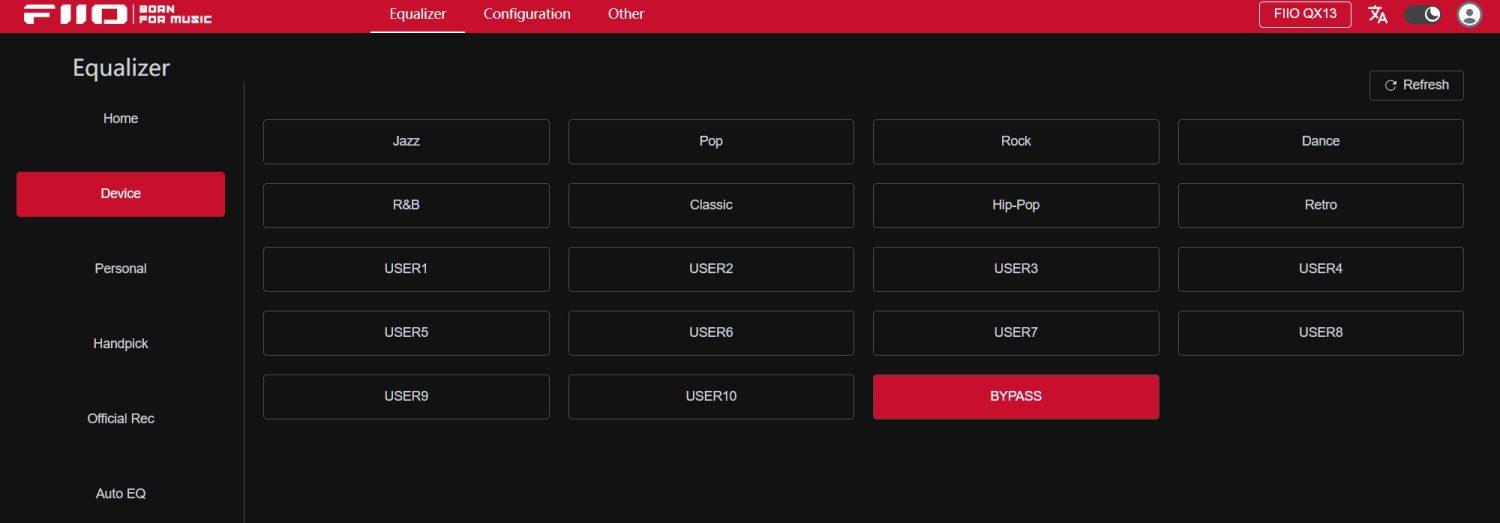
The device tab is where you can find the built-in and user-defined EQ presets.
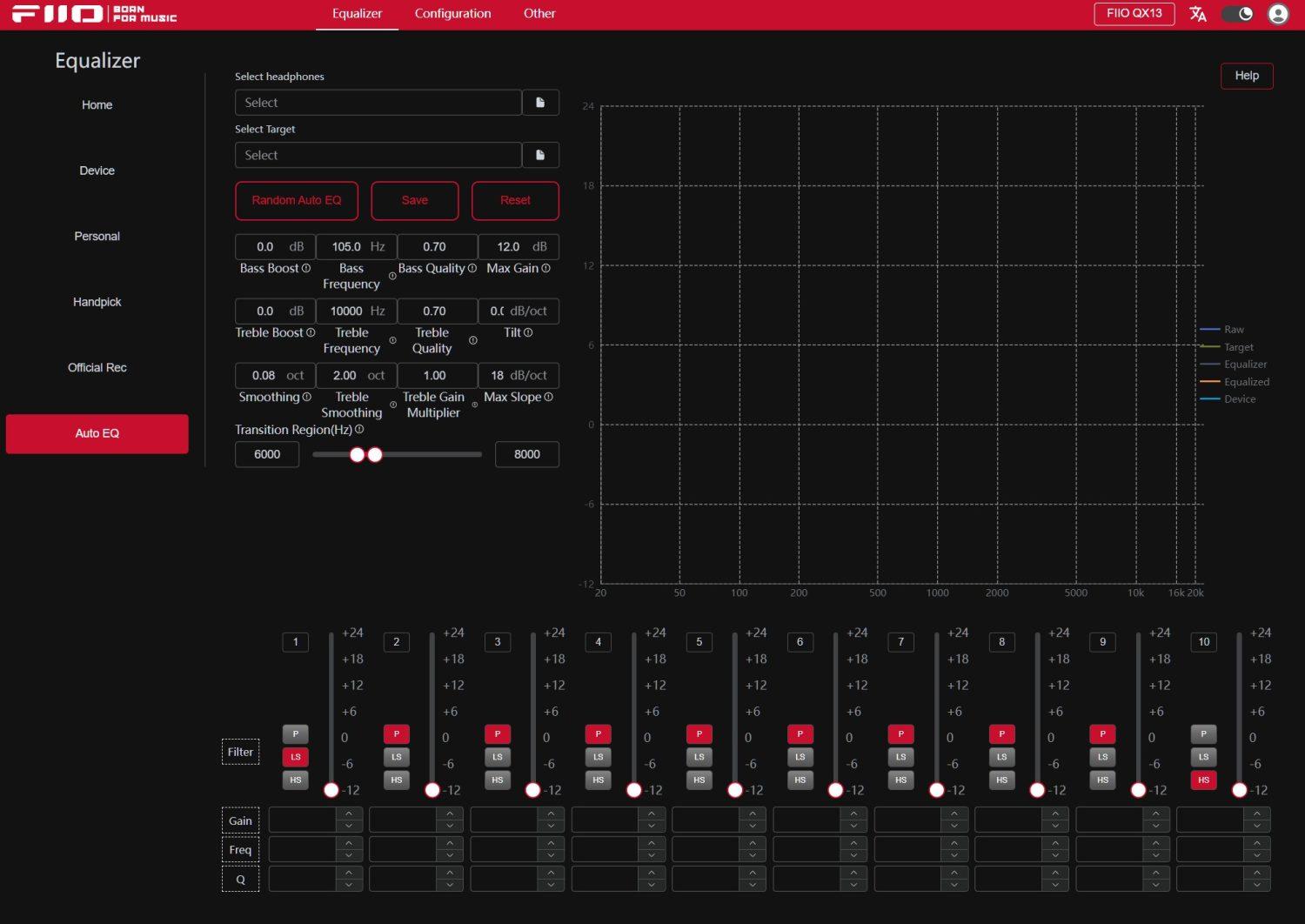
The Auto EQ screen is where you apply tuning styles of a chosen headphone and target model.
Sound
The FiiO QX13 has a neutral, transparent, uncolored sound signature with no emphasis on any range. It utilizes a neutral tonality and feels technically proficient. It reflects the speakers/headphones as-is, without introducing any manipulations to the sound. There’s plenty of power, and the background is dead silent—no hissing, no hum, nothing. The resolution and the clarity are both on another level compared to many dongle DACs out there.
The bass is impactful and deep, but also snappy. It recovers fast, and the quantity is satisfactory. The mid-bass is quantitatively adequate and very controlled. The midrange is extremely clean with great detail retrieval that highlights every little nuance in a guitar passage or a vocal performance.
Tonality feels right, without any coloration to the human voices. The guitar timbre is excellent, and the space does an amazing job of conveying the note weight and micro-vibrations of the guitar to your ear. Upper-midrange is controlled yet extended. Hi-hats do not feel splashy; they rather have a dedicated place as they should, and the extension feels natural.
The treble follows the successful upper midrange. It is extended, airy, and spacious without any control issues. The treble is resolving, clear, and open. Good dynamic range combined with exceptional accuracy and absolutely grain-less/flawless background make the FiiO QX13 unsurprisingly good in this regard. That said, its most impressive feat remains how musical it sounded.
The sound is very crisp and detailed. The micro detail performance is very impressive, as well as resolution and transparency. The presentation and delivery are rather intimate than relaxed. The dynamism is very good with good attack and speed overall.
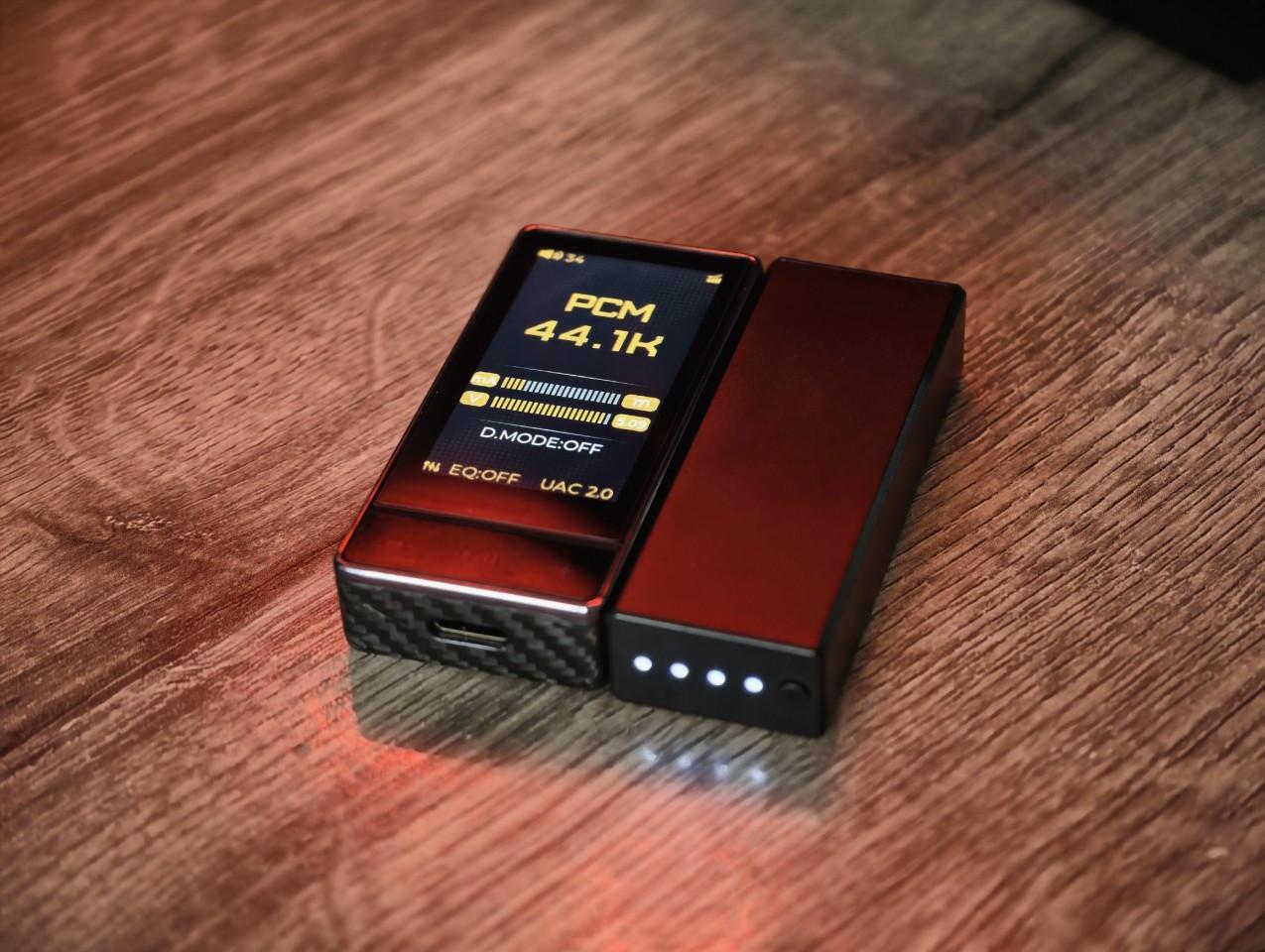
FiiO found the sweet spot between accuracy and musicality. It has clean, sharp, and deep lows with fast transients and decay, good headroom, excellent layering, and texture. The FiiO QX13 presented a very clean, transparent, airy, almost ethereal, and accurate performance. It easily reached the lowest pits, and it had a faster decay.
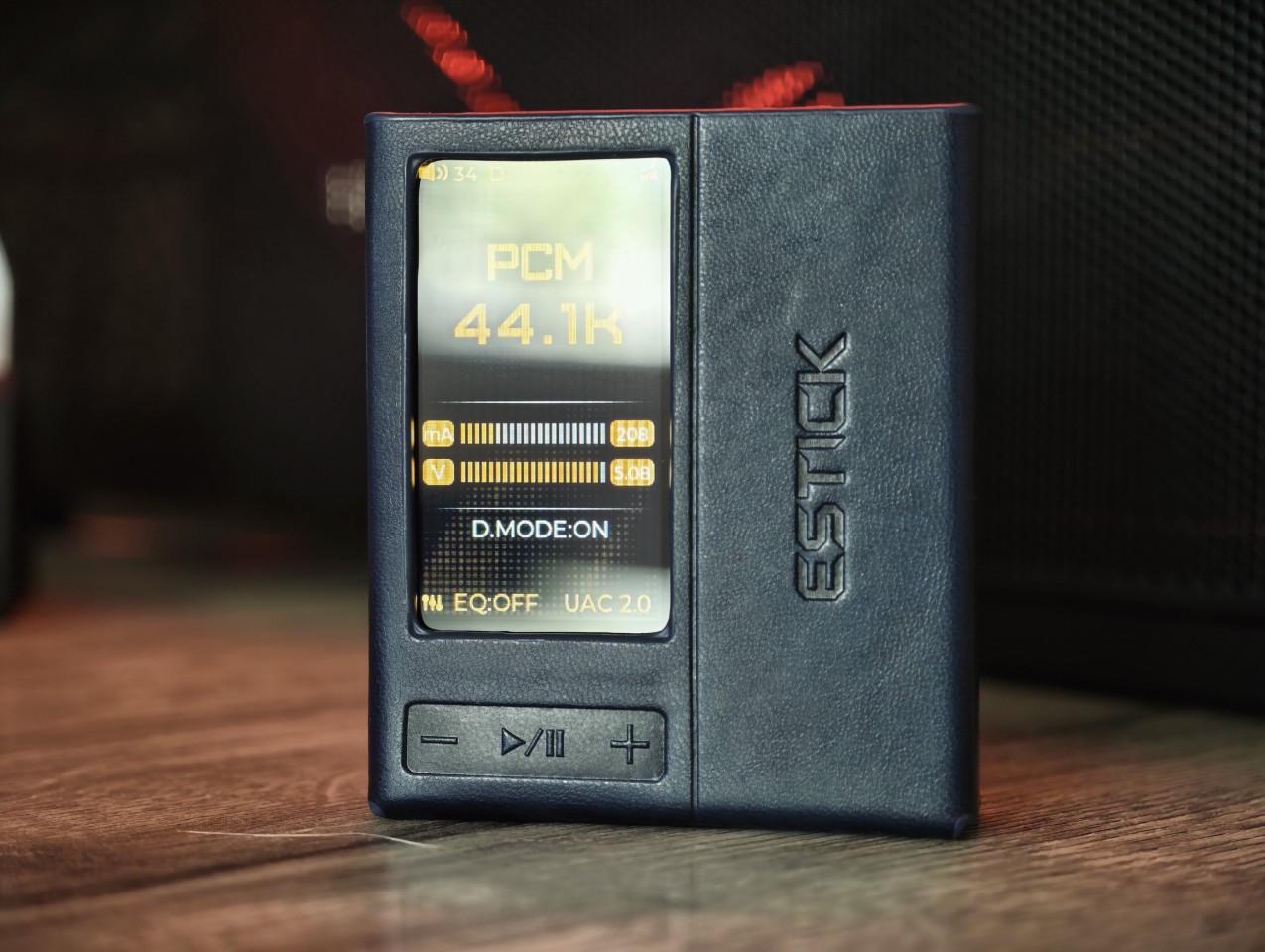
The FiiO QX13 felt not only clean and transparent but also wider and deeper-sounding across all ranges. The QX13 can push huge quantities of micro-details, leaving a ton of headroom for high dynamic range tracks. High-quality formats and especially good recordings can benefit from this extremely well.
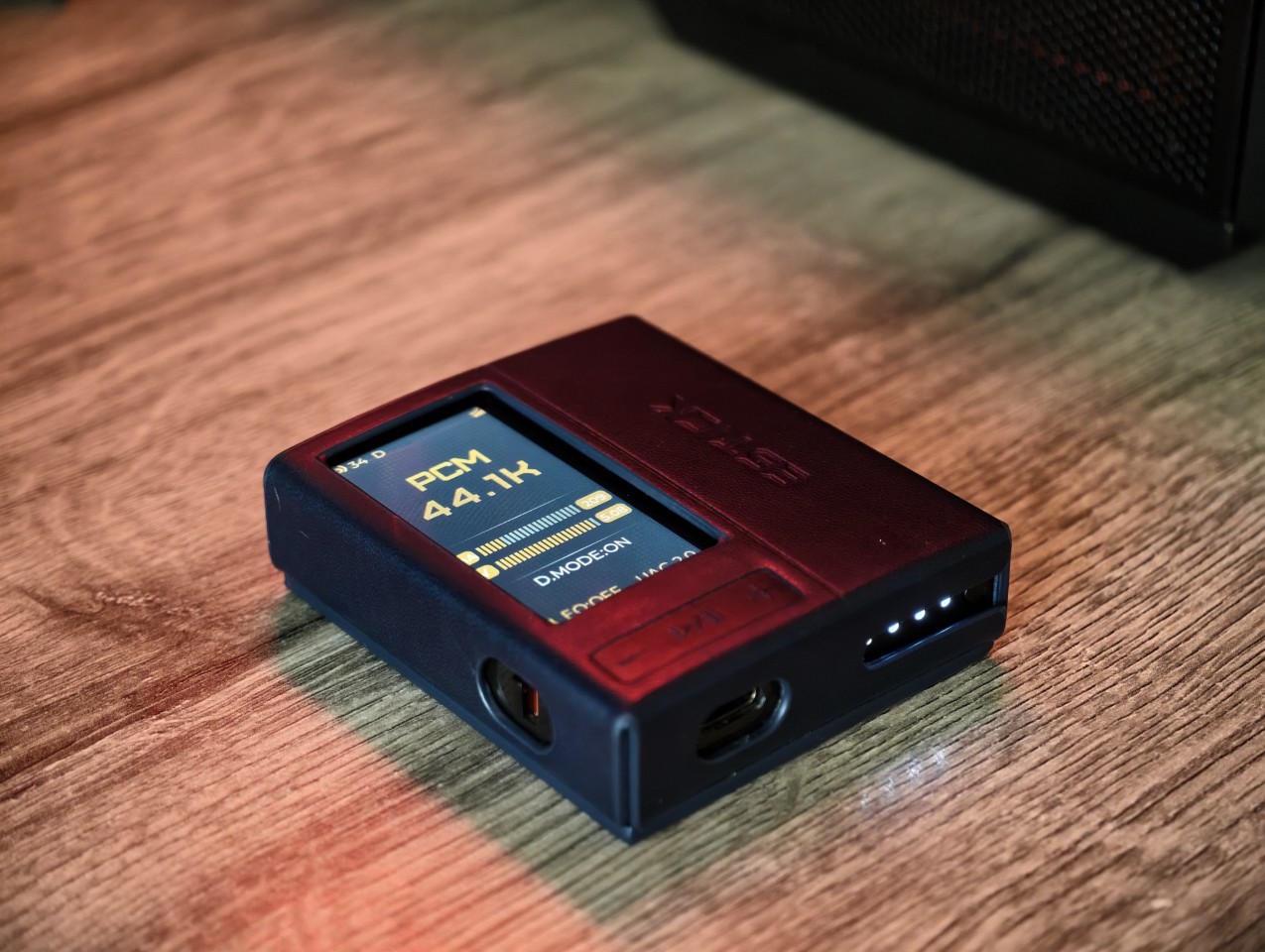
Sum-Up
FiiO QX13 Review is the best-sounding dongle DAC that I’ve listened to for sure; there is no doubt about that. It’s even unfair to call it a dongle DAC anymore when it comes to the sound quality. Now you can turn your phone into a high-level DAP. If you are thinking of spending around $500 on a DAP, think twice because with the help of the FiiO QX13, you now have the chance to compete and even surpass the quality of midrange DAPs.
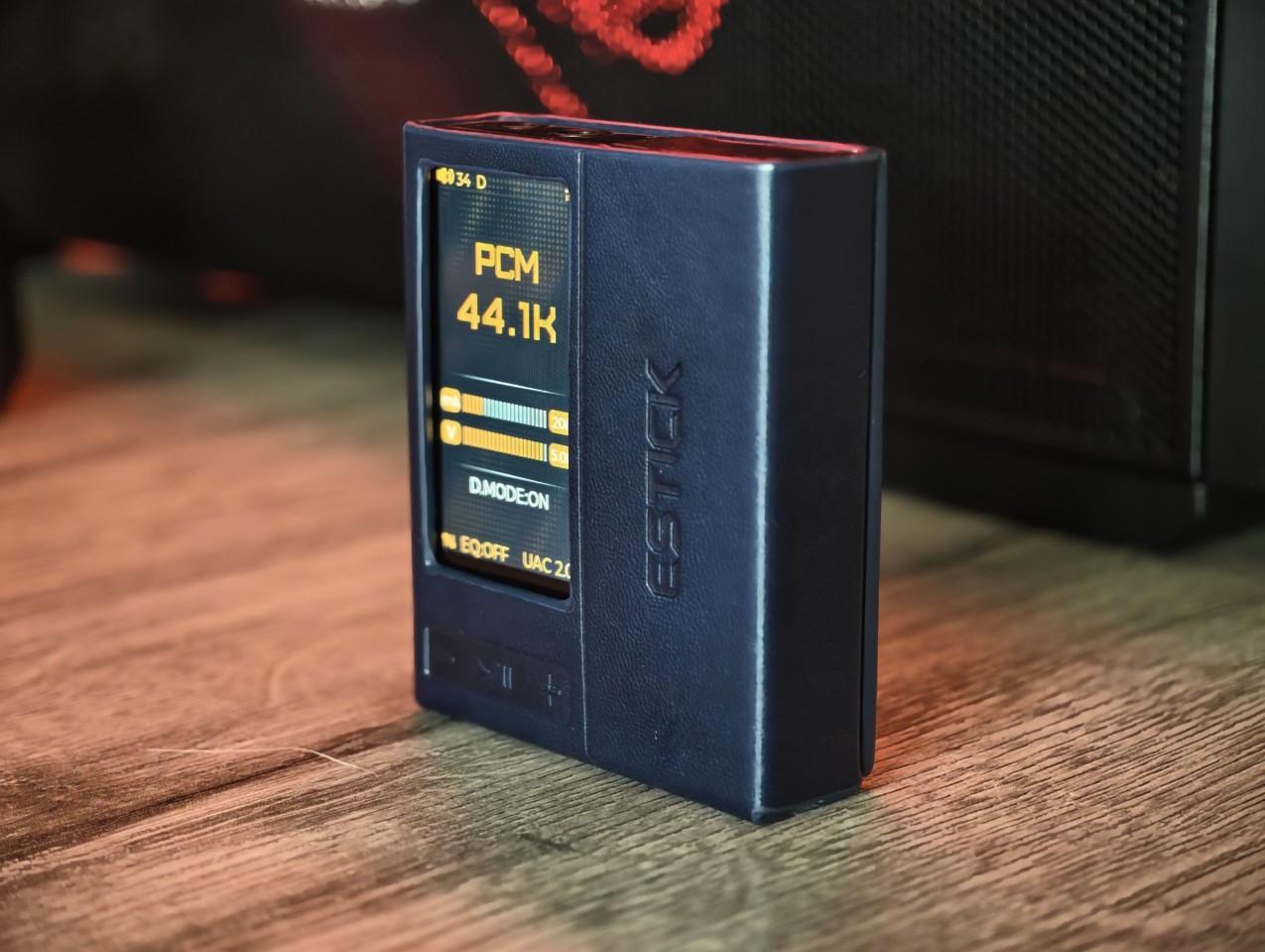
FiiO has done it again and created a product in its own class. It looks like a dongle DAC, but sounds better than a midrange DAP, even on par with some desktop DAC-AMPs.
I have only one complaint. The finish of the QX13 should have been matt and soft to touch, as a real carbon fibre texture does, but the shiny lacquer took that feeling away. But this is a matter of taste, nothing more.