
LETSHUOER DX1 Review – My New Daily Driver – Almost Perfect
I’ve spent some quality time with the LETSHUOER DX1, and I’m genuinely excited to share my impressions. You know how sometimes you pick up a new IEM, and it just clicks? That’s kind of how I feel about the DX1. It’s not about flashy features or groundbreaking tech; it’s about a well-executed, enjoyable listening experience for its price.
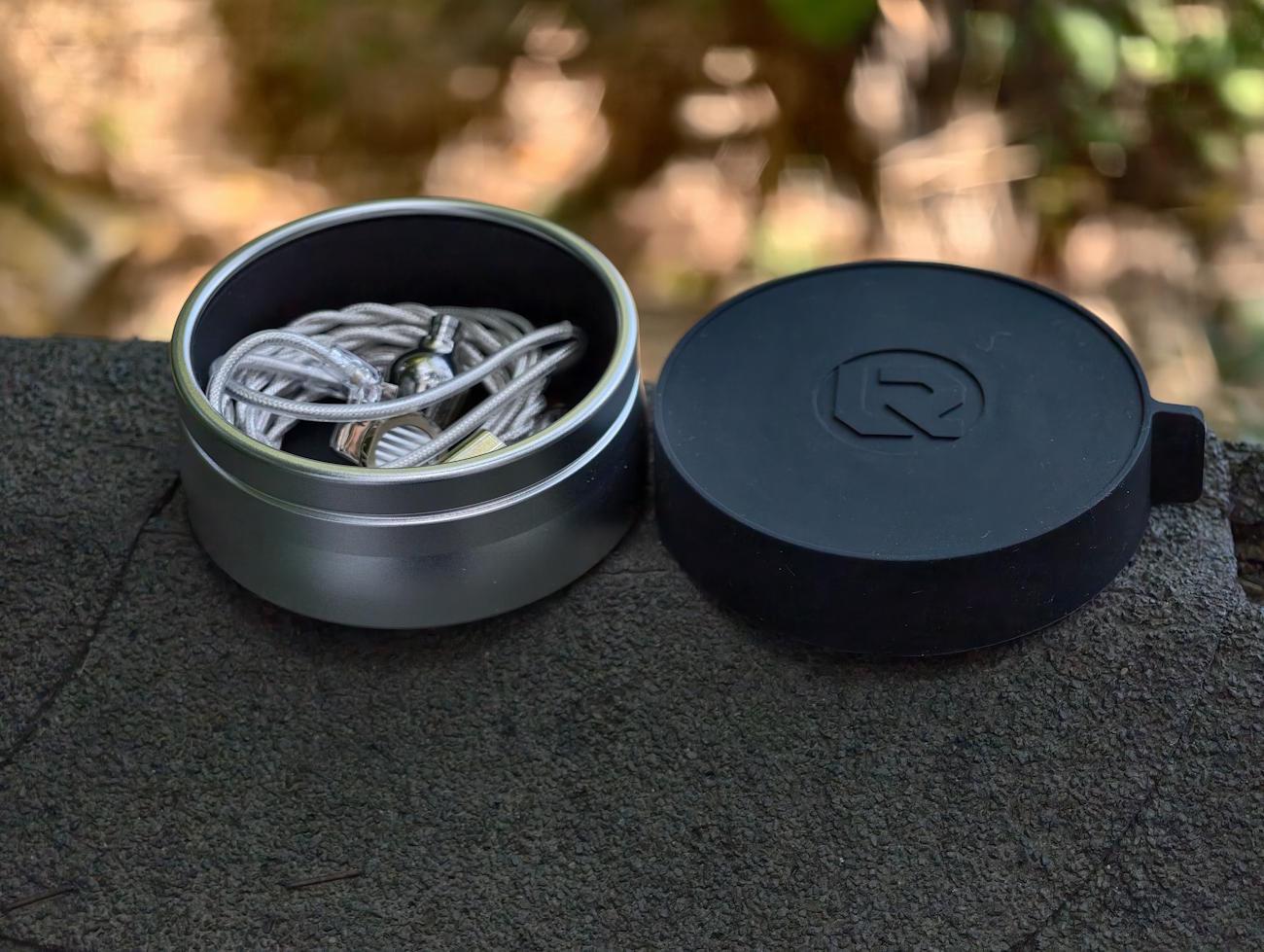
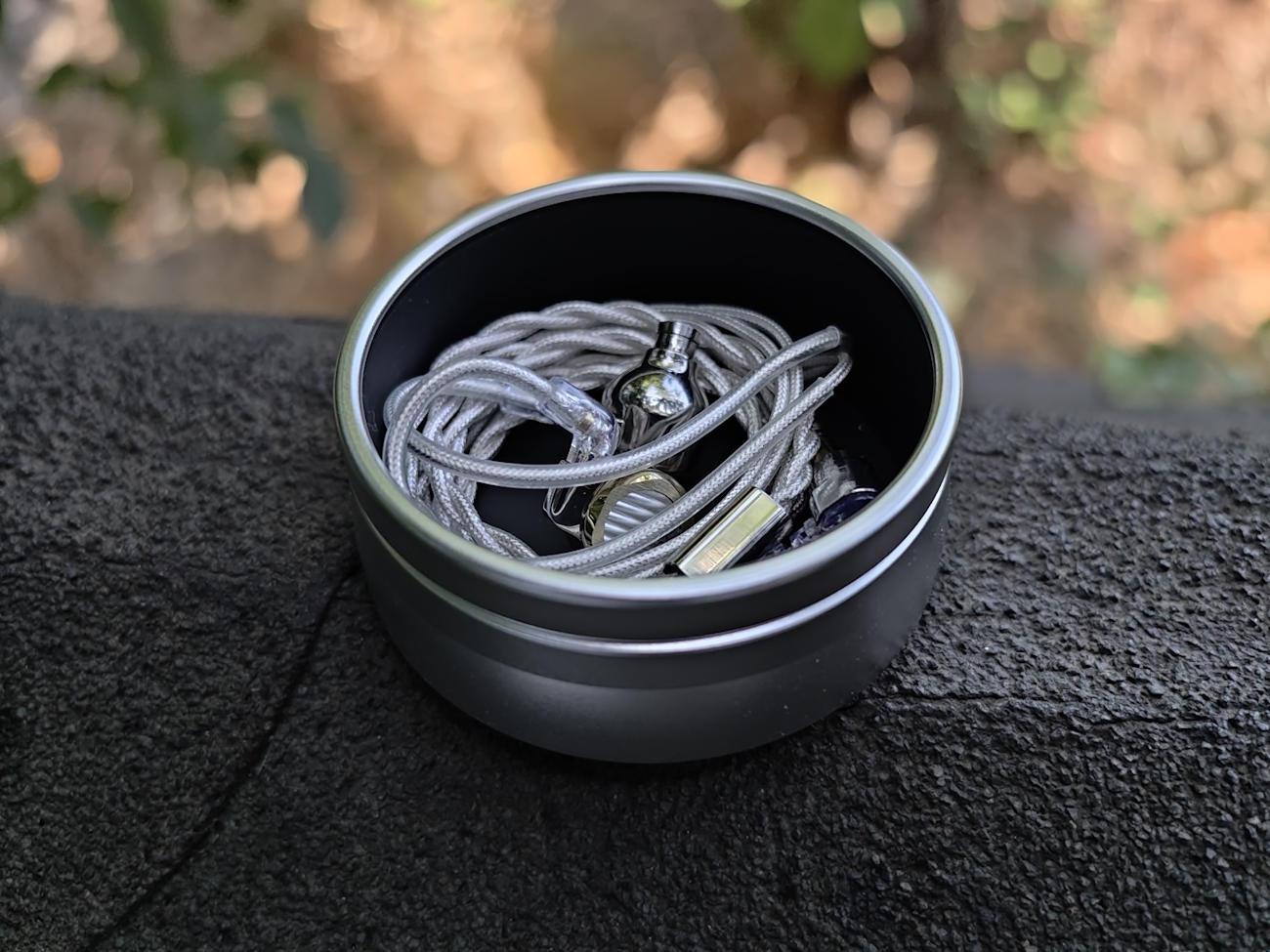
First off, let’s talk about what’s under the hood, because it’s pretty cool how LETSHUOER has approached this.
The Tech Behind the Sound
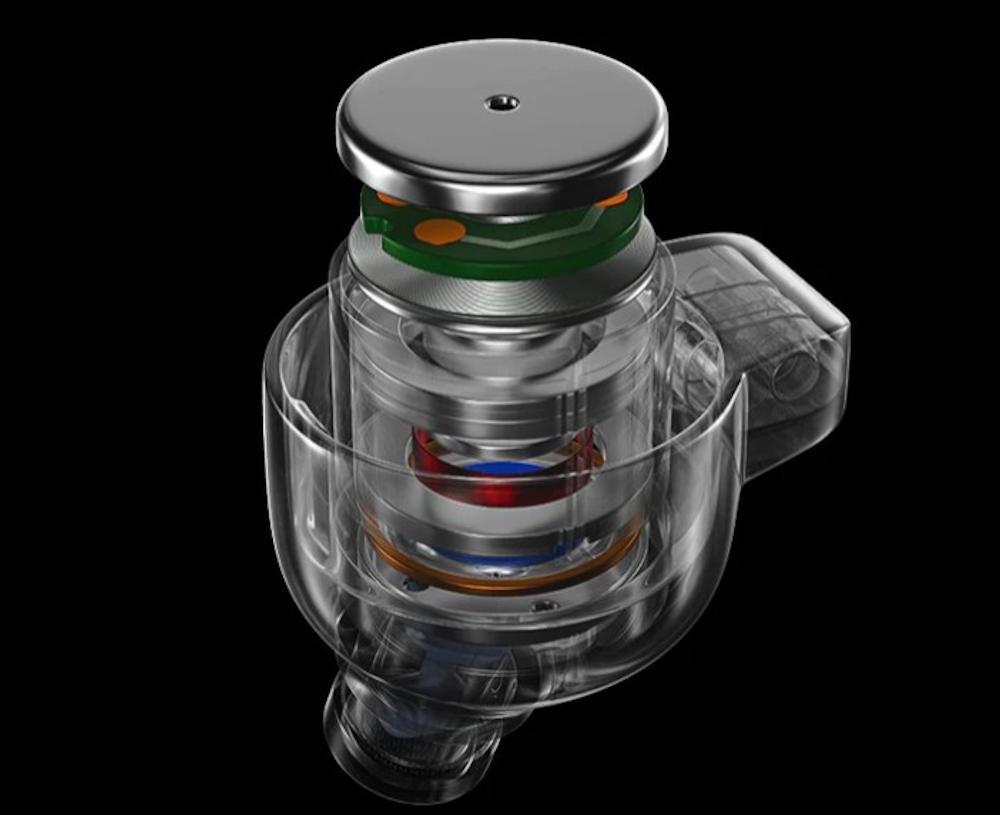
The heart of the DX1 is its single 11mm dynamic driver, which LETSHUOER developed in-house. This isn’t just any driver; it uses an aluminum-magnesium alloy diaphragm that’s also coated with some fancy nanoparticle material.
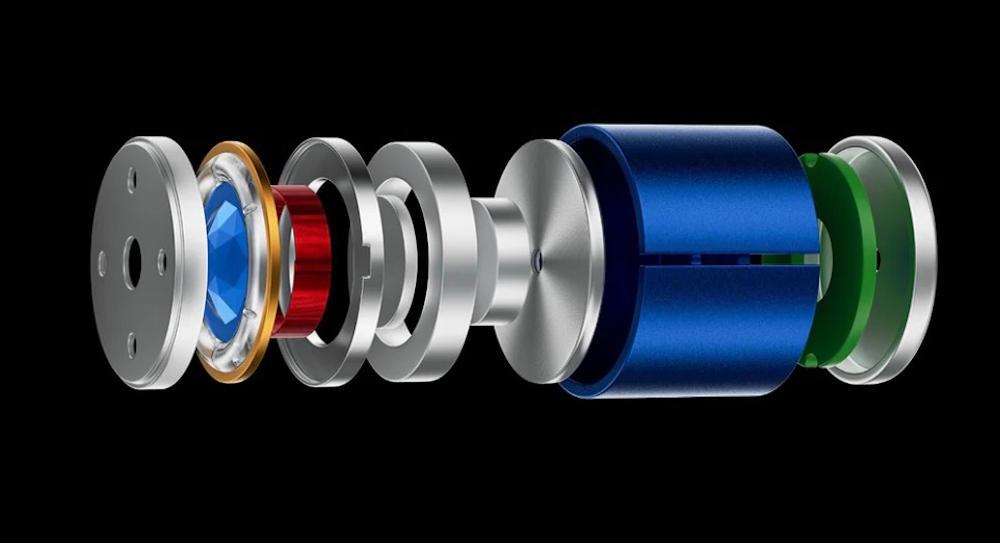
What does that mean for us? In plain terms, it’s designed to be both extremely stiff and remarkably light. Think of it like a high-performance sports car – it responds quickly and accurately to the music without getting flustered. This helps with clarity and keeps things sounding natural.
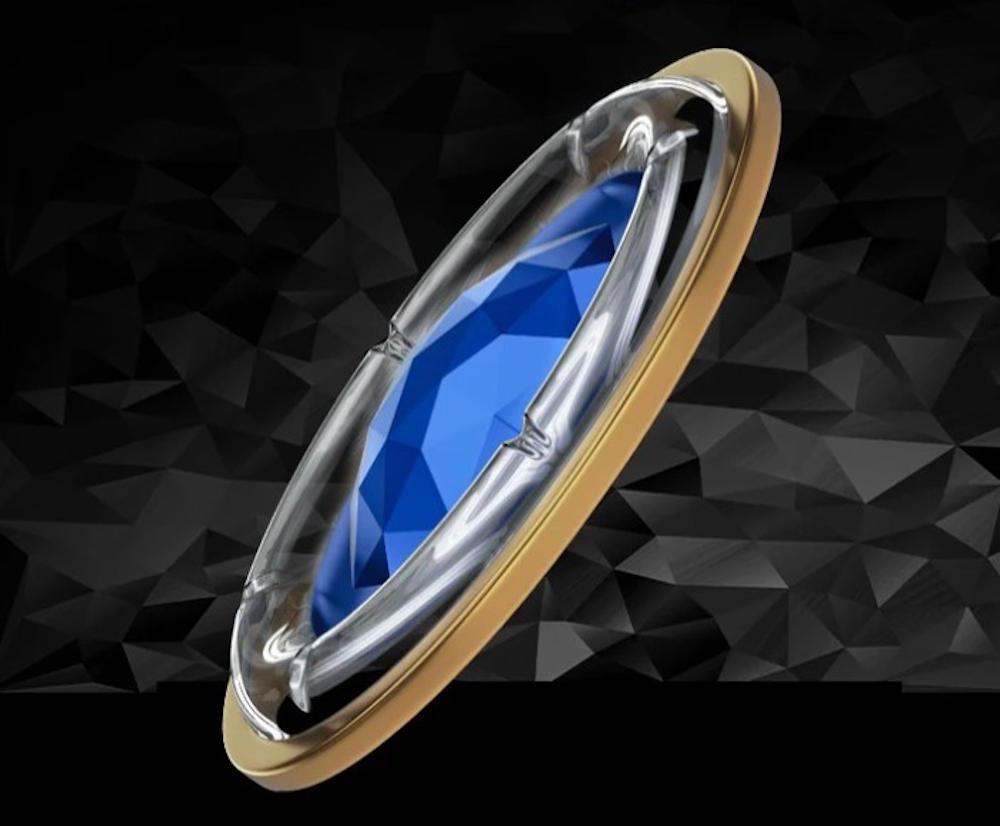
They’ve also added a diamond-patterned topology structure to the diaphragm. This sounds super technical, but it’s basically a clever way to control how the diaphragm moves, making sure it’s stable and consistent across all frequencies. It’s all about getting that clean, undistorted sound.
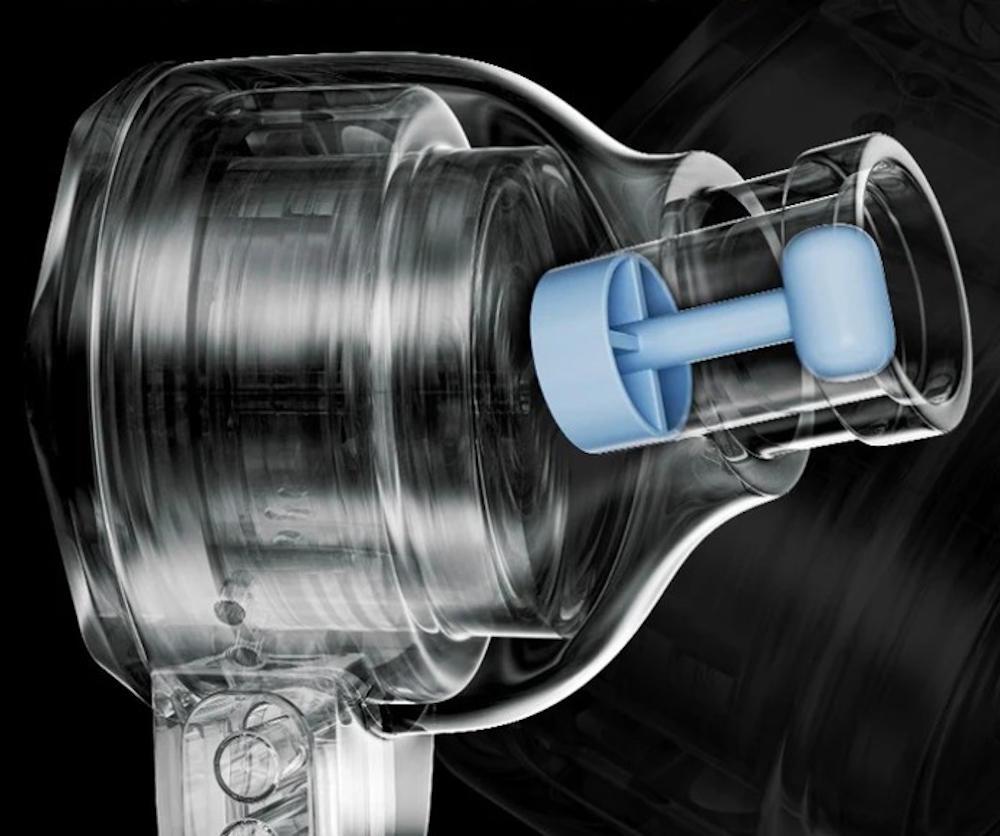
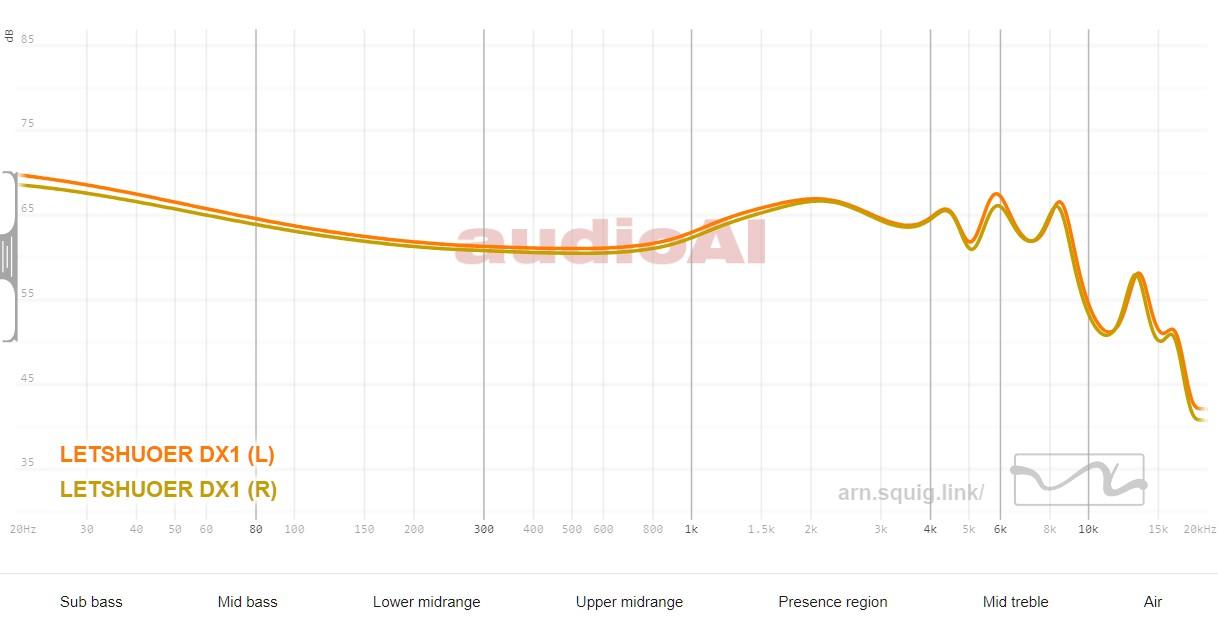
Another neat trick is the fixed acoustic filter built right into the nozzle. This little guy is specifically tuned to tame any potential harshness around the 5 kHz mark. It’s a smart move that helps keep the upper midrange smooth and pleasant, which is something I appreciate.
Plus, the driver is mounted in a CNC-machined structure with a coaxial fixture, which just means everything is precisely aligned to minimize distortion. It’s clear they put a lot of thought into the internal acoustics.
First Impressions: Look and Feel
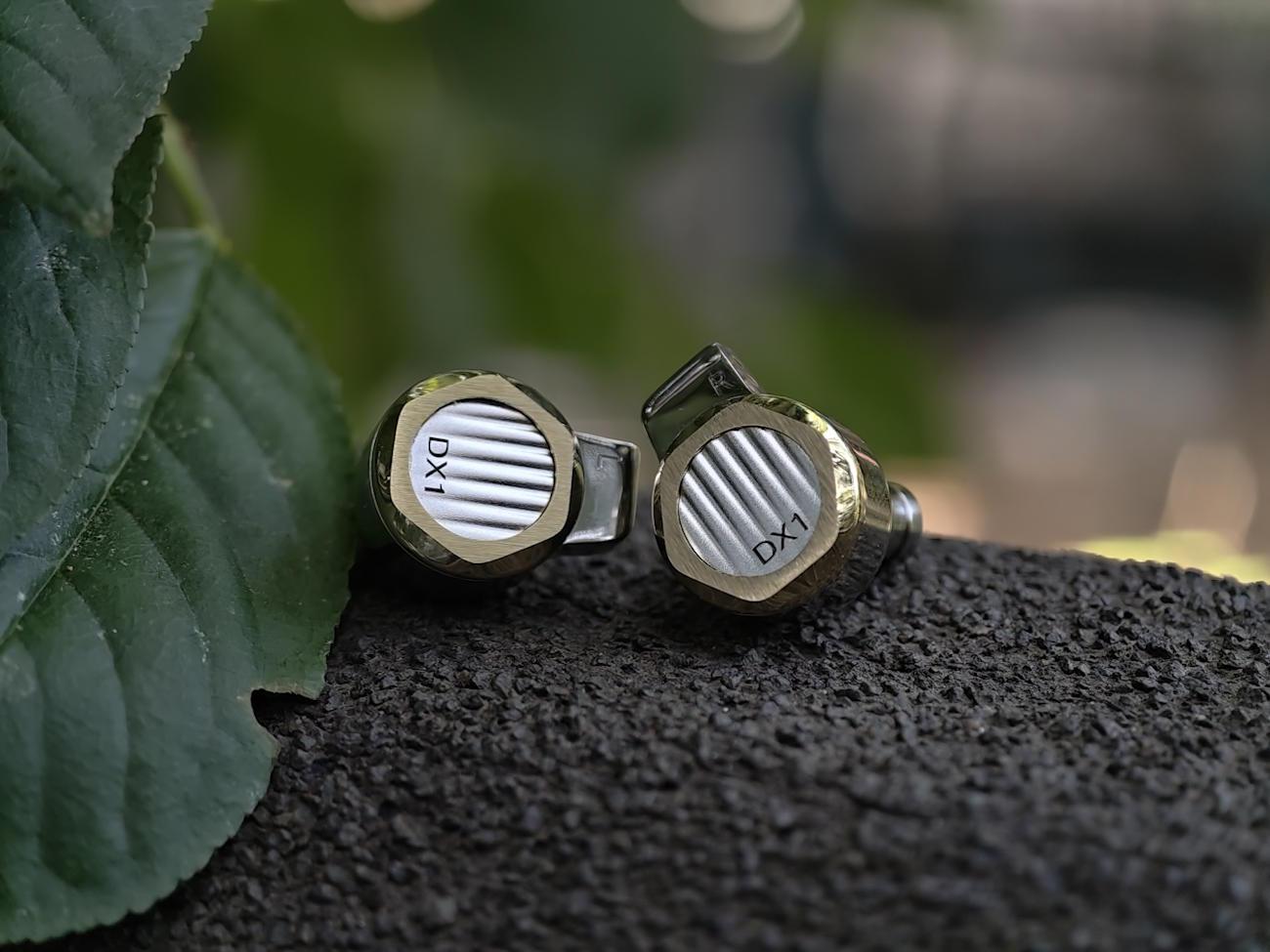
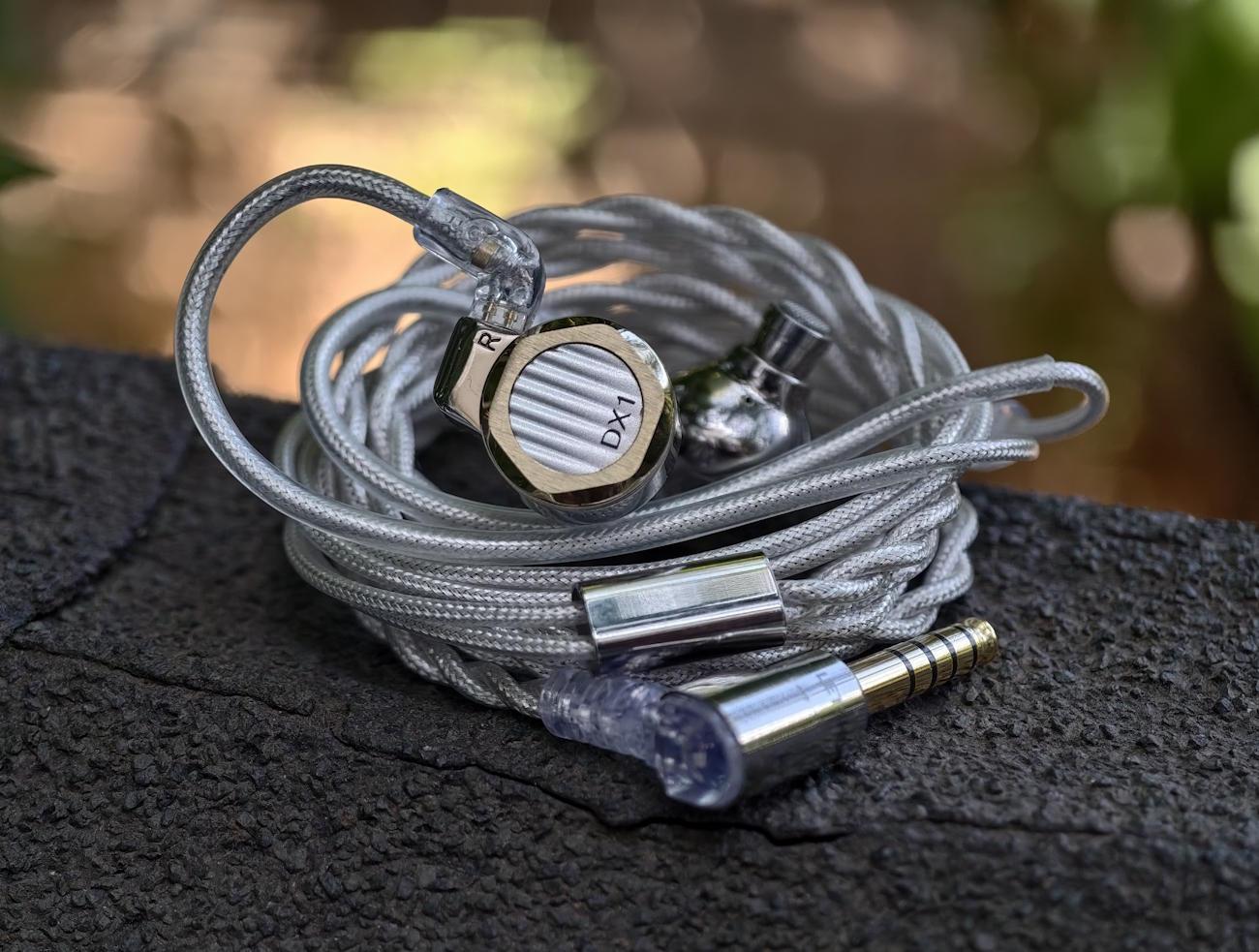
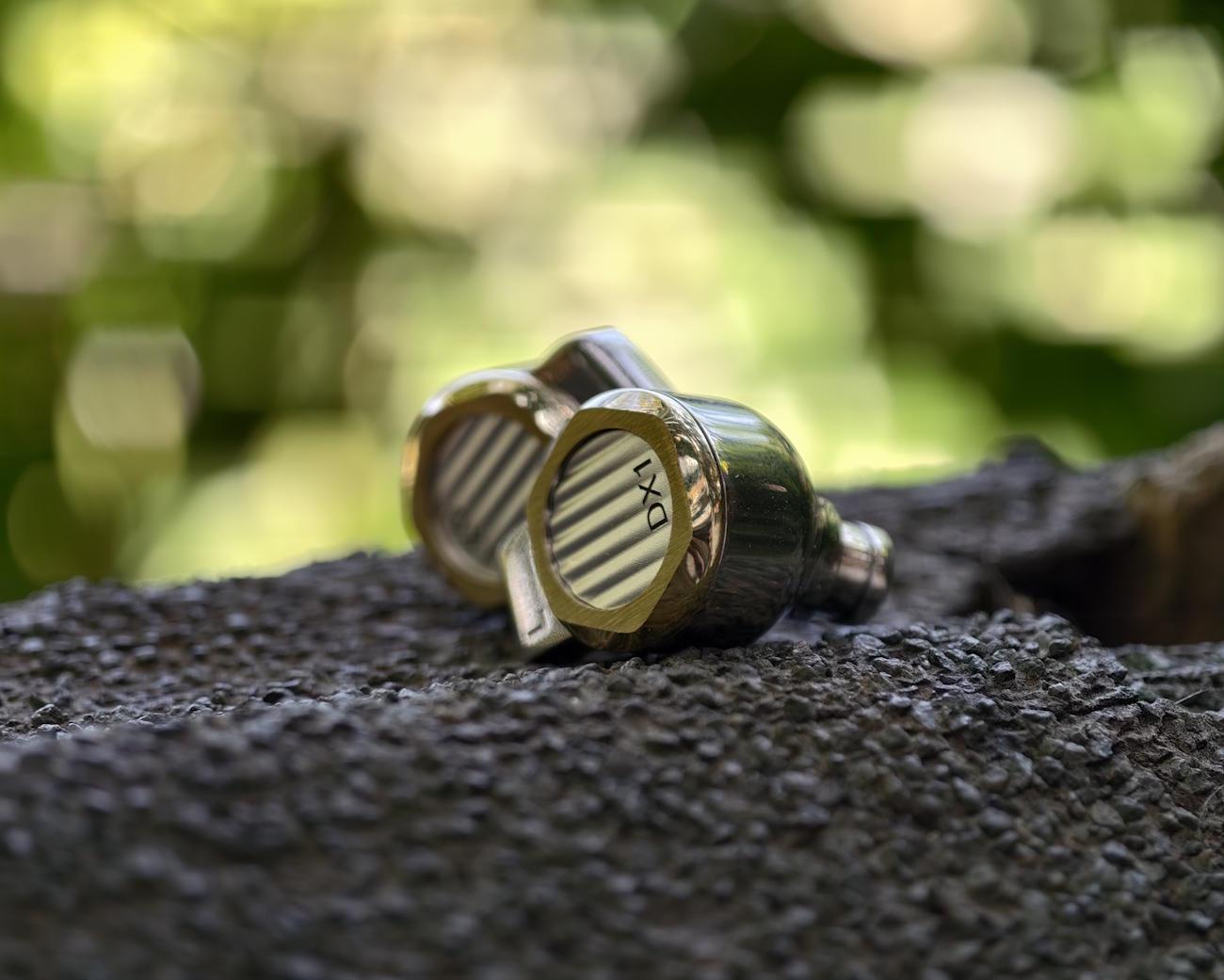
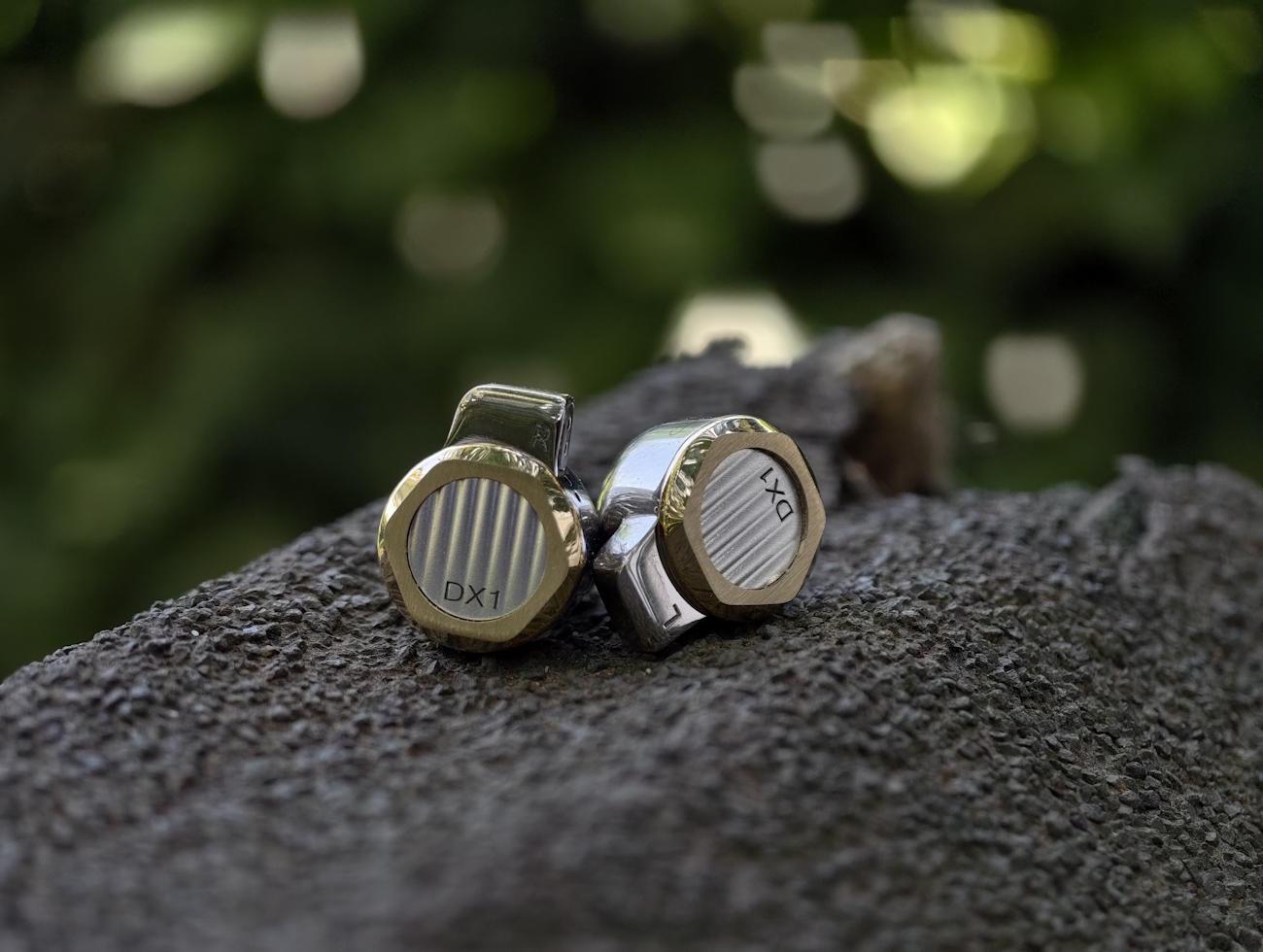
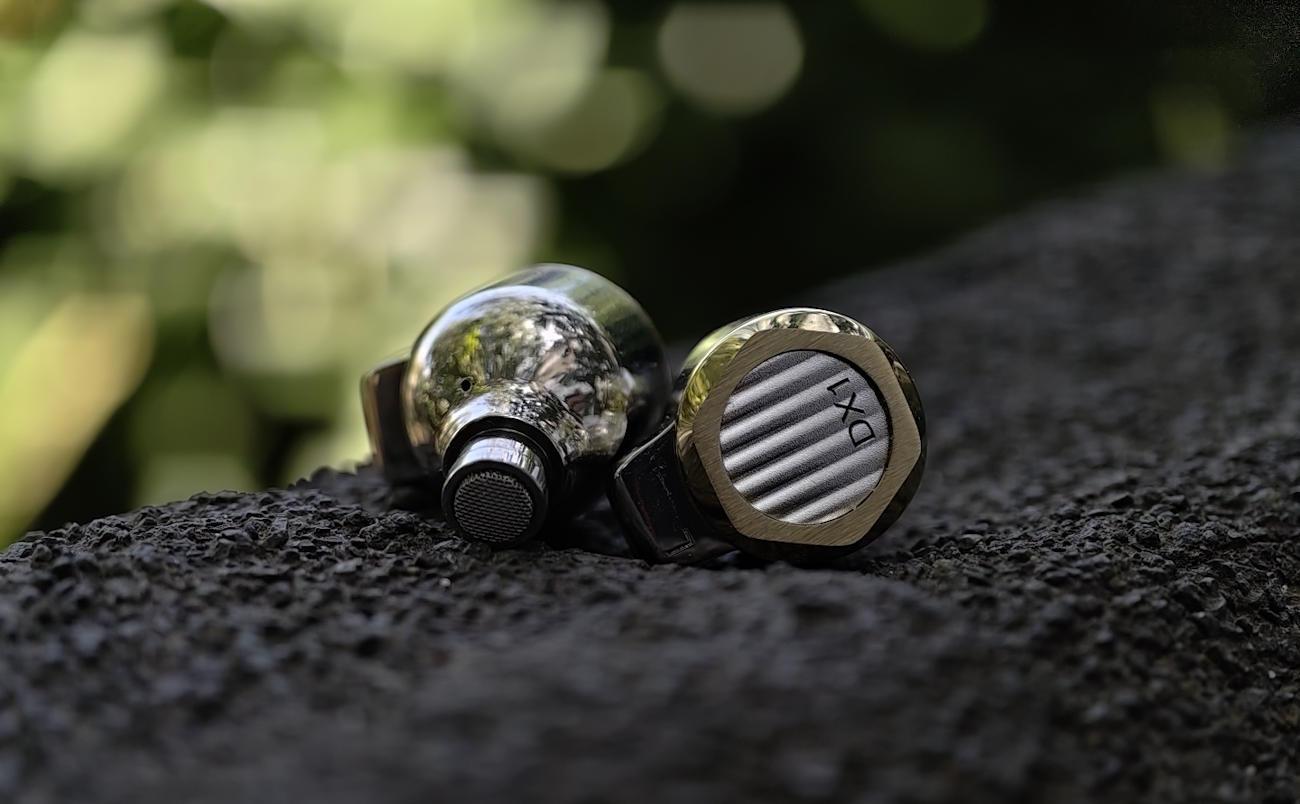
When you first unbox the DX1, you’ll notice the design. The faceplate has this cool, almost industrial “bolt head” look with a brushed silver center and a smooth champagne ring. It’s unique without being over the top. But what stands out is the mirror-polished stainless steel shell. It feels incredibly premium in the hand, and it’s surprisingly compact.
Speaking of compact, the fit is fantastic. These are what we call “bullet-style” IEMs, meaning they’re small and rounded. They just disappear into your ear. I’ve worn them for hours, even while lying down, and they’re super comfortable.
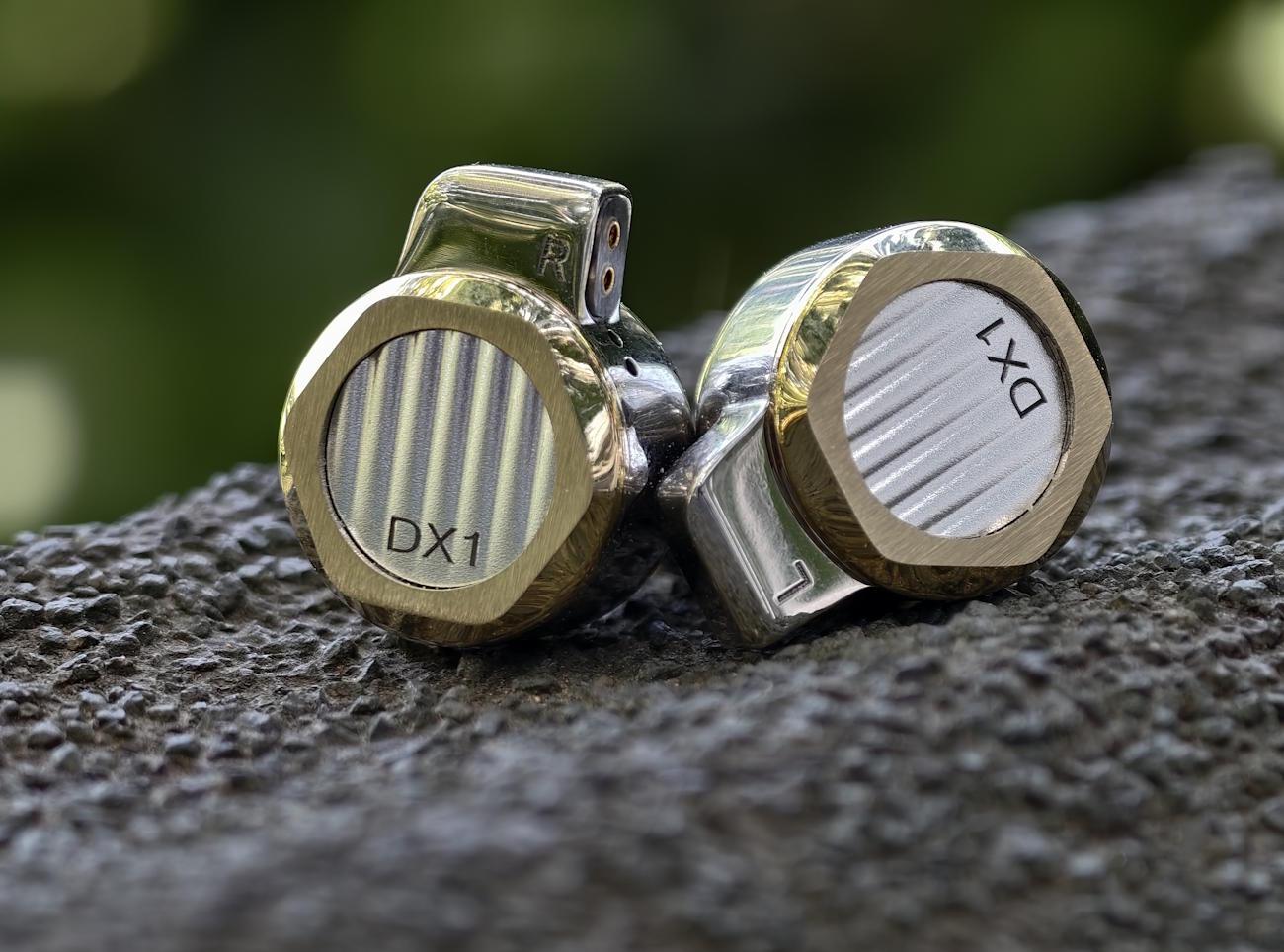
No weird pressure points or awkward angles. The only trade-off for this small size is that passive isolation isn’t top-tier. You’ll still hear some of the outside world, which can be a pro or a con depending on your environment.
The accessory suite includes three distinct types of silicone ear tips, each offering varying acoustic and ergonomic profiles: a wide-bore, long-stemmed brown set; a balanced, long-stemmed black set; and a wide-bore, short-stemmed white set.
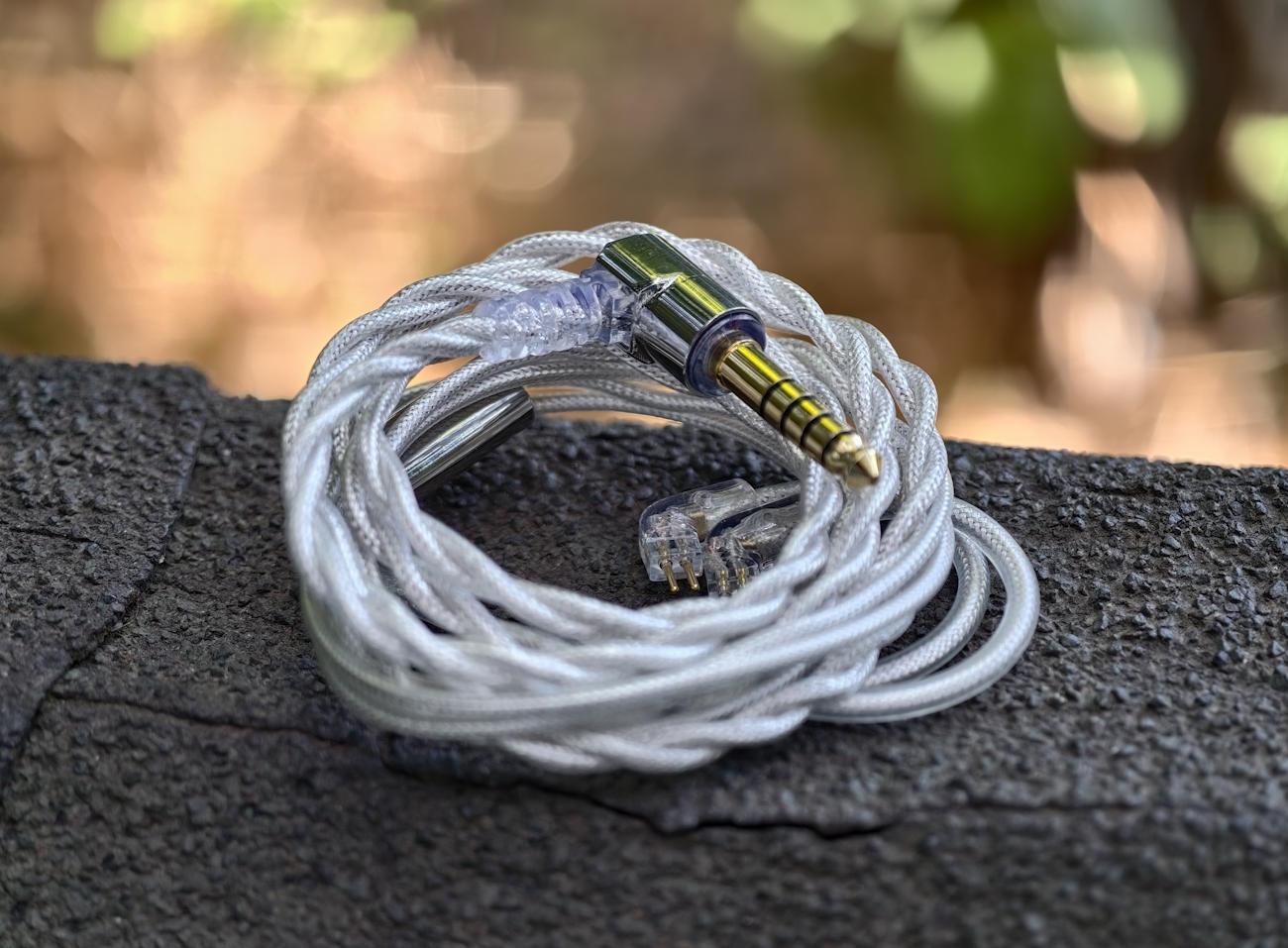
The stock cable is also pretty nice – a 256-core silver-plated monocrystalline copper with a soft, braided white jacket. It’s lightweight and doesn’t tangle easily, which is always a win. Just remember to pick your preferred 3.5mm or 4.4mm termination when you buy, as it’s not modular.
Features
- Brand-new self-developed DD Driver -The DX1 utilizes an 11mm dynamic driver unit.
- Self-developed assembly structure – High-precision CNC components
- Diamond-pattern topology diaphragm
- Built-in 5kHz Notch Filter
- Stainless-steel shell, ergonomic design
- 256-Core silver-plated monocrystalline copper braided cable
- 0.78mm dual-pin detachable cable design – 3.5mm or 4.4mm plug options
Technical Specs
- Driver: 11mm Aluminum-Magnesium Alloy Dynamic Driver with Nanoparticle Topology Coating
- Sensitivity: 108dB
- Impedance: 30Ω
- Frequency Response: 20Hz – 40kHz
Disclaimer: The DX1 was kindly provided by LETSHUOER for review.
Unboxing
The Sound: Where the Magic Happens
Now, onto the most important part: how does it sound? In a nutshell, it’s a refreshing listen.
The LETSHUOER DX1 provides likely the most ear-pleasing tuning of any single-DD earphone I’ve tested straight out of the box. The overall tonality is very pleasing. The bass is rich and powerful, but still well-managed and impactful, creating a solid base for a warm and inviting midrange sound.
The vocals have a relaxed vibe, yet they maintain clarity and a natural tone. At the same time, the high frequencies are sharp and full of energy. This makes it perfect for extended listening sessions. Overall, it’s a finely tuned sound that appeals to those who appreciate a balanced sound.
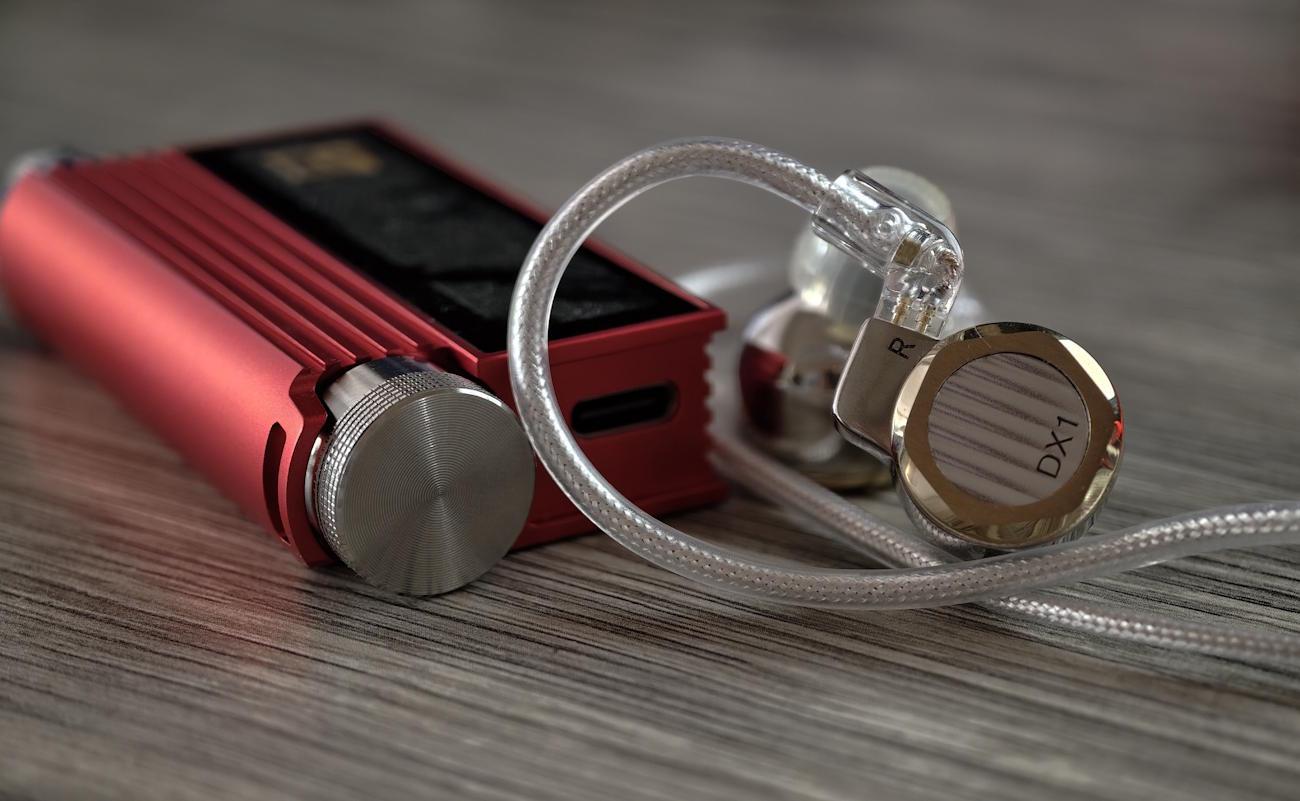
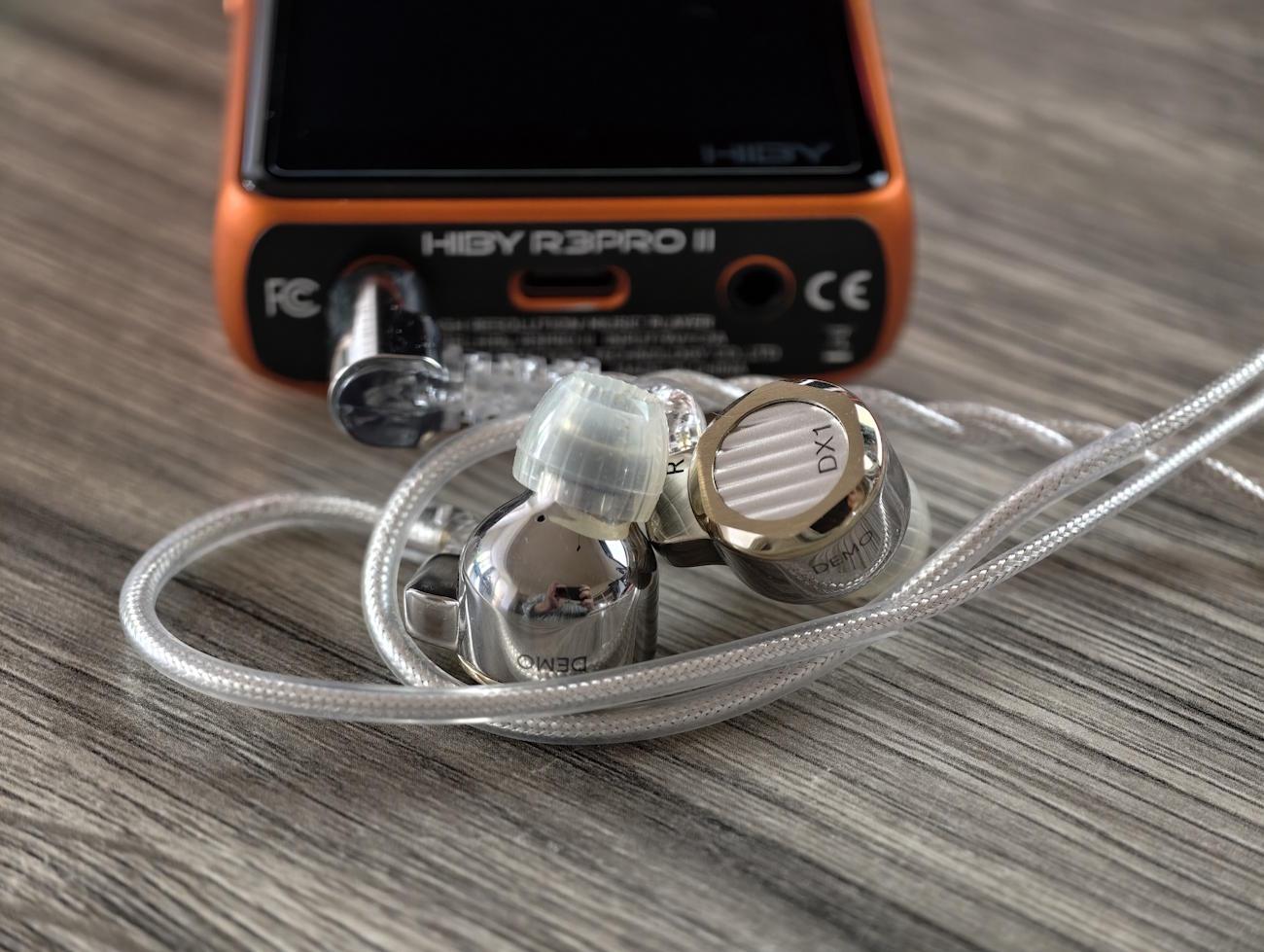
I used the new HiBy R3PRO II DAP and again the iBasso Nunchaku tube dongle DAC.
Bass
DX1 offers a balanced low-end that is engaging without being overpowering. The bass here is well-behaved. You get a nice, light rumble in the sub-bass that gives music a good foundation without being boomy or overwhelming. The mid-bass has a satisfying punch, but it’s not exaggerated.
Bass guitars and kick drums sound natural and textured, with a good sense of weight. It’s not a bass-head IEM, but it’s clean and supportive.
The DX1 excels in retrieving details. Its note presentation is precise and controlled. The decay and attack are both quick, which helps to balance out the enhanced richness. As a result, the dynamics are elevated.
Midrange
This is where the DX1 truly shines. Vocals, both male and female, are gorgeous. They sound rich, present, and incredibly natural. There’s a lovely weight to each note that gives the midrange a full, engaging character without ever sounding thick or muddy.
I was impressed by how clear and layered the vocals were; you can easily pick up on subtle details like breaths and inflections. Instruments like guitars and pianos also sound incredibly accurate and well-textured. It’s just a very balanced and lively midrange that pulls you into the music.
The midrange sounds natural with a touch of warmth and improved note clarity; it’s very enjoyable. Also are clear, precise, and lively. It excels in capturing fine details, thanks to its quick response that enhances the separation of sounds.

Treble
The treble is smooth and polite. It’s not going to wow you with extreme sparkle or air, but it’s also never harsh or fatiguing. Cymbals and percussion are soft, lacking that sharp metallic bite, but they’re present enough.
DX1 offers a pleasant feeling of spaciousness without being too empty, and its layers are well-defined, including the smaller details in the background. It doesn’t overly emphasize details but still provides enough subtlety to create a satisfying sense of dimension and depth, which is quite impressive considering its affordable price.
The big win here is that there’s absolutely no sibilance or harshness, even on brighter tracks. It’s a safe and comfortable treble that lets the midrange take center stage.
Soundstage & Dynamics
The soundstage is decent, stretching a bit past your ears, giving a good sense of left-to-right space. However, it’s not particularly deep or tall, so everything feels a bit more “in front of you.” Imaging is accurate on simpler tracks, but when the music gets busy, it can be a little harder to pinpoint individual instruments.
Separation can also blend a bit in complex passages. What it does well, though, is handle dynamics. Vocals always remain clear and full, whether the music is quiet or loud, which is a testament to its well-controlled driver.
The DX1 offers excellent coherence and precise positioning from side to side. It provides clear directional cues and impressive layering with well-defined separation.
Comparison vs FiiO FD15
Why did I choose the FD15 for comparison? Because both IEMs are in the same price range? Or because they both have the same kind of metal bullet-style design? No, these are just interesting and lovely coincidences. I chose the FD15 because it was my daily driver for the last year, because of its tuning.
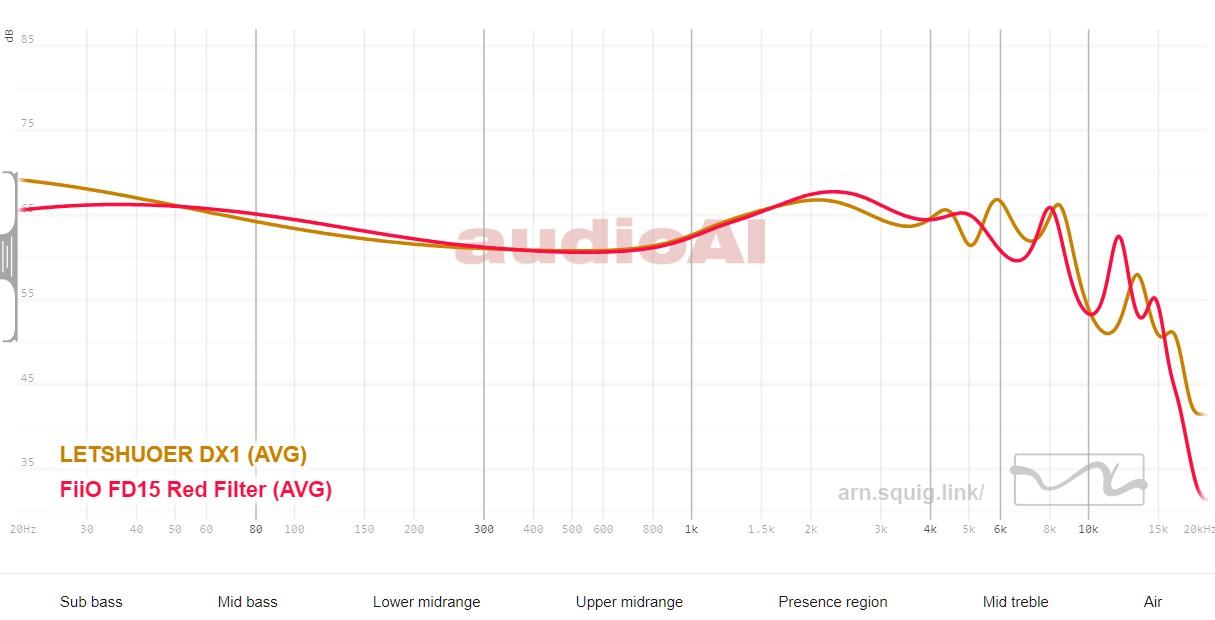
As you may see, both IEMs share almost the same curve with 3 slight but important, at least for me, differences. First, the sub-bass region. For me, the bass means sub-bass, not the mid-bass. The higher the mid-bass elevation, possible to ruin the rest of the frequency range, for my taste. Although the FD15 has a subtle elevation there, the DX1’s downhill curve makes a cleaner bass range with deeper rumble when needed. That is what I prefer.
The second important area is the 5k-6k range. DX’1’s 5kHz notch filter does a great job here, eliminating all potential harshness. And the peak at 6kHz, which the FD15 lacks (many IEMs lack it here), gives more detail and enhances the soundstage, resulting more pleasing mid-treble for my taste. So the Dx1 takes the crown, replacing the FD15.
Sum-Up
The LETSHUOER DX1 is a fantastic option if you’re looking for an IEM that prioritizes a natural, engaging midrange and exceptional comfort. It’s not going to blow you away with thunderous bass or sparkling highs, but what it does, it does well.
For $159, you’re getting a beautifully designed, comfortable IEM with a sound signature that’s easy to love for long listening sessions. If you’re a fan of vocals and instruments sounding true-to-life, and you appreciate a smooth, non-fatiguing listen, the DX1 is worth checking out. It’s a refreshing listen in a crowded market.